Sign in. It’s quick, free and it’s up to you.
An account is an optional way to support the work we do. Find out more.
Sign in. It’s quick, free and it’s up to you.
An account is an optional way to support the work we do. Find out more.
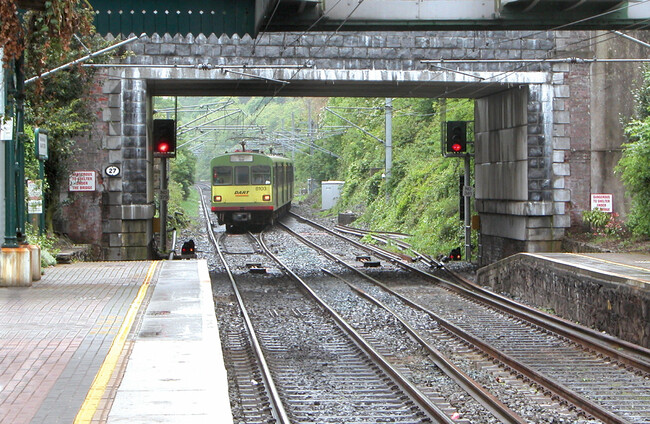
IRISH RAIL HAS launched plans to add new tracks along Ireland’s busiest rail corridor in a bid to increase capacity and allow for more frequent train services.
The state rail operator today announced the start of its FourNorth programme, which proposes adding additional tracks alongside the existing railway between Dublin Connolly and Malahide.
The route is currently used by Dart, Northern Commuter, Belfast Enterprise and freight services, all of which share two tracks.
Irish Rail said the existing layout has become a major bottleneck, particularly during peak periods, with even minor disruptions causing knock-on delays across the network.
The additional tracks are intended to increase capacity, improve reliability and allow more frequent services on one of the country’s busiest rail corridors.
The project is currently in the early design and option development stage, with public consultation expected to begin later this year.
Irish Rail chief executive Mary Considine said the project was about “building a resilient, high-capacity rail corridor” that would support growing passenger demand and strengthen regional rail connections.
Transport Minister Darragh O’Brien said the line between Connolly and Malahide is “one of the busiest on the island” and that limited track capacity has become a key constraint on increasing services.
He said the project would support additional Dart, commuter and Enterprise services while also improving reliability for existing passengers.
The proposal builds on recommendations in the All-Island Strategic Rail Review, published in 2024, which identified four-tracking sections of the Northern Line as a key long-term priority.
The review estimated that adding extra tracks between Dublin and Clongriffin alone could cost between €700 million and €1 billion at 2021 prices.

To embed this post, copy the code below on your site














have your say