Sign in. It’s quick, free and it’s up to you.
An account is an optional way to support the work we do. Find out more.
Sign in. It’s quick, free and it’s up to you.
An account is an optional way to support the work we do. Find out more.
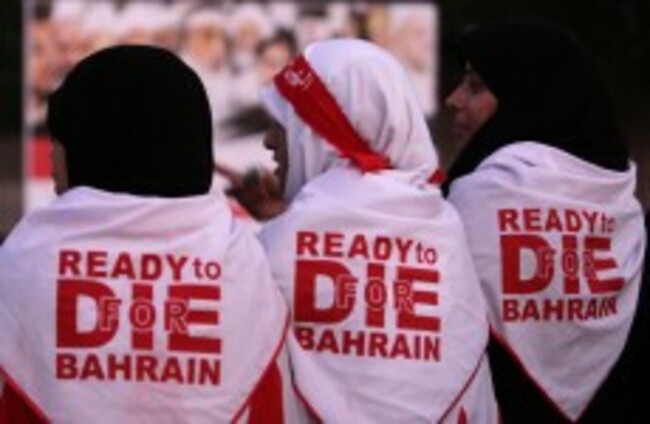
THE UN HUMAN rights office has criticised the sentences handed down to medical staff who treated protesters during the country’s uprising earlier this year.
Some of the doctors involved had trained in Ireland.
The UN has also questioned whether due process was observed by the Bahrain court in sentencing an anti-government protester to death.
Bahrain’s military-run National Safety Court reportedly gave defendants and their lawyers little time to prepare, failed to investigate allegations of torture and conducted some trials in just 10 minutes, according to a spokesman for the U.N. High Commissioner for Human Rights.
The court sentenced one protester to death for killing a policeman, and gave 20 doctors and nurses prison sentences ranging from five to 15 years. At least 33 protesters — among them union leaders and professional athletes — also received sentences of three years or more.
“For such harsh sentences to be handed down to civilians in a military court with serious due process irregularities raises severe concerns”, Rupert Colville, told reporters in Geneva:
We understand — according to our sources that we trust — that defendants have had limited access to lawyers, and in most cases lawyers definitely did not have enough time to prepare their clients’ defense properly.
The UN human rights office called on the government to ensure that persons detained were charged with “a recognizable criminal offense.”
Colville said some of the defendants appeared to have been found guilty of nothing more than exercising their right to free speech.
Hundreds of activists have been imprisoned since March when Bahrain’s rulers imposed martial law to deal with protests by the country’s Shiite majority demanding greater rights and freedoms.
The trial of the medical staff has been closely watched by rights groups, which have criticized Bahrain’s use of the special court whose military and civilian judges are appointed by the commander of Bahrain’s defense force.
The World Health Organization also questioned the prosecution of the medical staff, but refrained from outright criticism of the Bahrain government.
“Healthcare workers have a moral and ethical obligation to treat the injured regardless of their political obligation and they should never be punished for doing what is required by this obligation”, said WHO spokeswoman Fadela Chaib.

To embed this post, copy the code below on your site












have your say