Sign in. It’s quick, free and it’s up to you.
An account is an optional way to support the work we do. Find out more.
Sign in. It’s quick, free and it’s up to you.
An account is an optional way to support the work we do. Find out more.
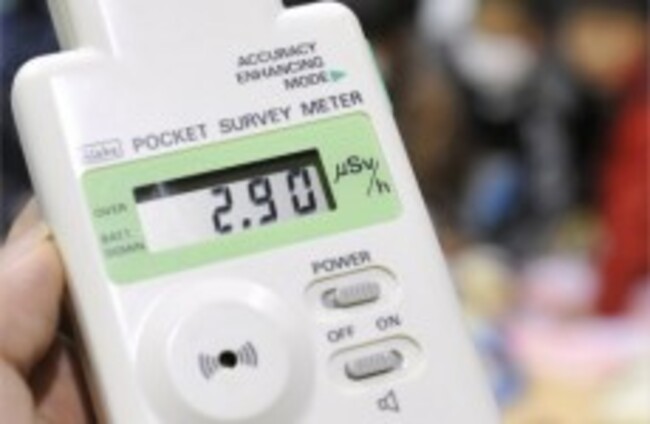
AFTER AN EARTHQUAKE and tsunami battered Japan last week causing a nuclear emergency at the country’s Fukushima plant, questions have been raised about the medical implications of exposure to radiation.
David Dawson of the Radiological Protection Institute of Ireland told TheJournal.ie that there many different forms of radiation, and that the dangers associated with exposure would depend on both the dose and the period of contact.
Dawson explained that, to date, levels of exposure had been small and that those who had come into contact with potentially harmful radioactive elements could be easily treated.
“If you get a radiation dose it doesn’t mean that you fall down dead,” he said, “The risk of cancer increases somewhat, but not by a huge amount”. To put the risks of exposure into context, Dawson explained that if the chances of developing cancer for an average person stands at 1 in 3 – or 33 per cent – if a person was exposed to radiation that risk would typically rise to 33.5 per cent.
Exposure to radiation can carry a risk of cancer – and, particularly, thyroid cancer if a person is exposed to radioactive iodine.
Dawson said that exposure can usually be successfully treated by administering iodine tablets, banning the consumption of contaminated foodstuffs or, for people who have come in direct contact with radioactive material, by thorough washing with soap and water. Closing windows and turning off air-conditioning can help to guard against an immediate threat.
He said that the evacuation of people from a 20km zone around the Fukushima plant would greatly decrease the possibility of exposure to locals.
The levels of radiation released into the atmosphere from the Japanese plant, to date, are low. Dawson said that, in the worst case scenario of a meltdown or an explosion at the site, radioactive material could be sent into the air and form a cloud – which could pose a degree of risk to Japan. He pointed out that any such cloud would be likely to dispel before it reached the American continent and would not pose any threat to Europe.

To embed this post, copy the code below on your site













have your say