Sign in. It’s quick, free and it’s up to you.
An account is an optional way to support the work we do. Find out more.
Sign in. It’s quick, free and it’s up to you.
An account is an optional way to support the work we do. Find out more.
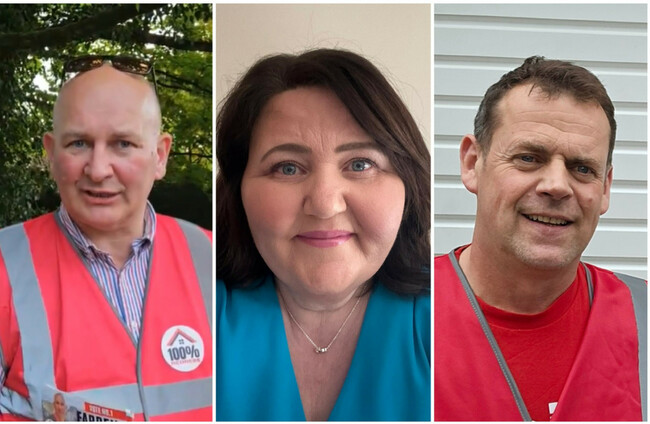
LESS THAN A year after its founding, a party has managed to get four candidates elected to a county council.
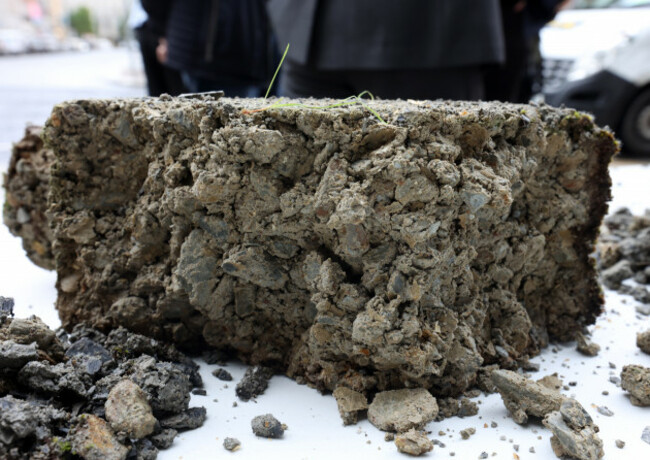
The 100% Redress Party is determined to get full compensation for homeowners whose houses were built with defective concrete blocks – and are now falling apart.
While Donegal has become the epicentre of the issue, as the defective blocks came from a quarry in the county, Clare, Limerick and Mayo have also been affected.
The 100% Redress Party ran six candidates in Donegal and managed to get four elected.
Joy Beard is one of them. She told The Journal that, after years of campaigning and little return, people like her need a seat at the table.
The mica scandal first made headlines in 2021 and it has since been estimated that around 6,000 homes are affected, not to mention hotels and other businesses.
The government introduced a scheme in November 2021 to support affected homeowners to remediate their home, with the scheme being enhanced last summer.
But Beard says national issues such as the cost of living and housing crises have exacerbated the consequences of mica.
The government’s scheme covers the cost of alternative accommodation – “but there’s nowhere to rent here”.
The council hasn’t built enough houses here in 10 years.
Among the issues the party has with the scheme is the pay-first claim-later stipulation, which campaigners say is simply unaffordable.
“If someone does find alternative accommodation, they have to pay for it up front and then claim the money back,” Beard said.
“Nobody’s got €15,000 in a bank account now to buy a mobile home and then wait for the money to be claimed back.”
Despite its name, Beard asserts that 100% Redress is not single-issue party.
Mica will soon impact tourism – one of the county’s most important industries – as hotels aren’t safe from defective blocks either.
“Are people going to want to visit a countryside with derelict houses and a lack of hotel facilities?”
Tomás Seán Devine, who was elected in Letterkenny, says he’s also worried about the health of those living in sub-par and even dangerous housing.
The State offers a maximum grant of €420,000 to crumbling homes. It’s currently only available in counties Donegal, Limerick, Clare and Mayo, but Sligo is set to be added to the scheme soon.
I’m an ordinary man, not one of these career politicians.
Devine says, with five children, he didn’t have a political career in mind, but ran because he was sick of “shouting from the sidelines”.
Of the government’s compensation scheme, he says: “Once you put a cap on something, it’s not 100%.”
Those who do avail of the scheme cannot transfer eligibility, but they say the process is inaccessible for older people who may not want to go through the “red tape” and upheaval of applying and rebuilding.
“If somebody happens to pass away, the house passes away with them and they have nothing to hand down to the next generation of the family,” Devine added.
It’s an issue that clearly resonated with voters, and as a result the party now has more seats in Donegal than Fine Gael does.
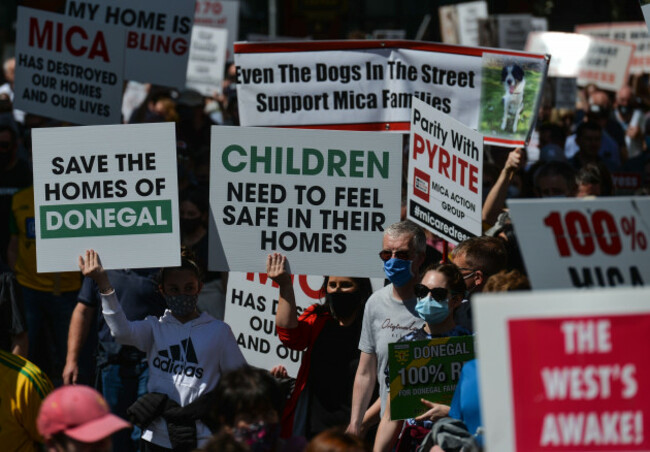
Out canvassing, the response was “unreal”. “Everybody knew somebody who was affected,” Devine says.
“It had been brought up on the doors that people were fed up with other politicians and political parties.”
Local elections can be a good indicator of what’s possible in a general election - which isn’t far away - and the 100% Redress Party isn’t ruling anything out.
“We’ll keep our feet on the ground at council level at the minute and it’s something we will discuss,” says Devine.
100% Redress Party candidates Ali Farren and Denis McGee were elected in Carndonagh and Glenties.
Almost all seats in local elections have now been filled. Check who will represent your constituency with our election tracker.

To embed this post, copy the code below on your site














have your say