Sign in. It’s quick, free and it’s up to you.
An account is an optional way to support the work we do. Find out more.
Sign in. It’s quick, free and it’s up to you.
An account is an optional way to support the work we do. Find out more.
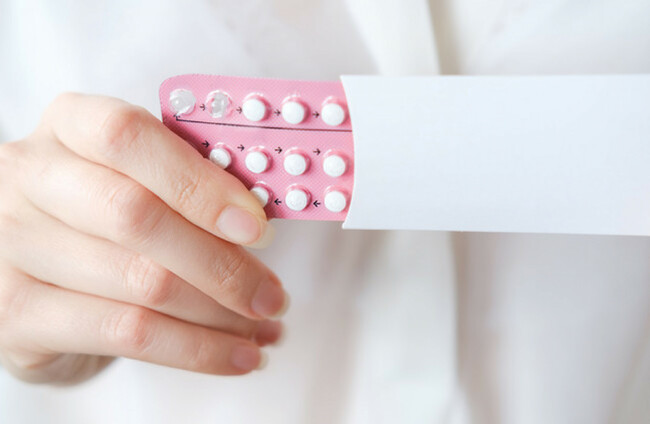
THERE WAS A strong uptake of the Free Contraception Scheme this year, with data from January to September showing that around 245,000 women accessed the scheme at least once.
This compares to just under 189,000 women who accessed the scheme in the entirety of 2023 and gives a full-year projection for 2024 of 320,000 women.
The scheme was launched in September 2022 for women aged 17 to 25.
In 2023, it expanded to include women aged 27 to 30.
It was further expanded in January of this year to include women aged 31 and was again expanded on 1 July to include women aged 32-35.
The scheme provides for the cost of prescription contraception, including the cost of consultations with medical professionals and fitting and/or removal of various types of contraceptives.
The range of contraceptive options currently available include contraceptive injections, implants, IUS and IUDs (coils), the contraceptive patch and ring and various forms of oral contraceptive pill, including emergency contraception.
The provision of this service was supported by an additional €4 million in funding through the Women’s Health Fund under the Women’s Health Action Plan 2024-2025, with a total of €48m allocated to the scheme for 2024.
Outgoing Health Minister Stephen Donnelly said the scheme was introduced in “recognition of the barriers that many women faced in accessing contraception affordably”.
“No one should have to bear disproportionate financial costs because of their gender,” he added.
Donnelly said the scheme also provides “women with financial freedom when making choices about their reproductive health” and added that there is a “clear demand” for the scheme.
“It’s one of many developments in women’s health in recent years that reflect our ongoing efforts to provide a quality, accessible and equitable health service for all, regardless of ability to pay,” said Donnelly.
The scheme is open to women, girls and other people identifying as transgender or non-binary, who are ordinarily resident in Ireland and for whom prescription contraception is deemed suitable by their doctors.
Almost 2,400 GPs and 2,050 pharmacies are providing services under it.

To embed this post, copy the code below on your site












have your say