Sign in. It’s quick, free and it’s up to you.
An account is an optional way to support the work we do. Find out more.
Sign in. It’s quick, free and it’s up to you.
An account is an optional way to support the work we do. Find out more.
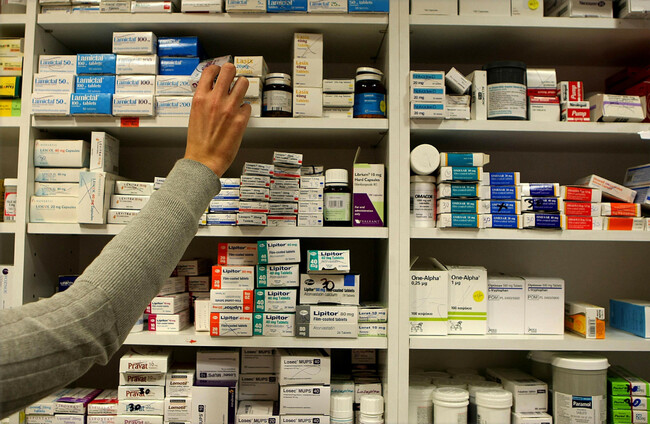
WE HAVE BEEN hearing a lot recently about growing antibiotic resistance – and how it’s one of the biggest threats to human health right now. The World Health Organisation has recently confirmed that it is already making gonorrhoea “much harder” and “sometimes impossible” to treat.
Advice to patients has always been to complete the full course of antibiotics they have been prescribed, even if they are feeling better. (The theory is that if you don’t, not all of the infecting bacteria are killed off and in a bid to survive and re-infect, they begin to multiply and can find ways to acquire antibiotic resistance.)
The government has also just announced Ireland’s first National Action Plan on Antimicrobial Resistance 2017-2020. Read our explainer on that here.
However, as is often the case, experts have started to disagree. Today, a new paper in the British Medical Journal has suggested that patients should stop taking antibiotics once they feel better. The authors say: “… the idea that stopping antibiotic treatment early encourages antibiotic resistance is not supported by evidence, while taking antibiotics for longer than necessary increases the risk of resistance.”
So today we want to know what advice you follow. Do you always finish out your course of antibiotics?

To embed this post, copy the code below on your site


















have your say