Sign in. It’s quick, free and it’s up to you.
An account is an optional way to support the work we do. Find out more.
Sign in. It’s quick, free and it’s up to you.
An account is an optional way to support the work we do. Find out more.
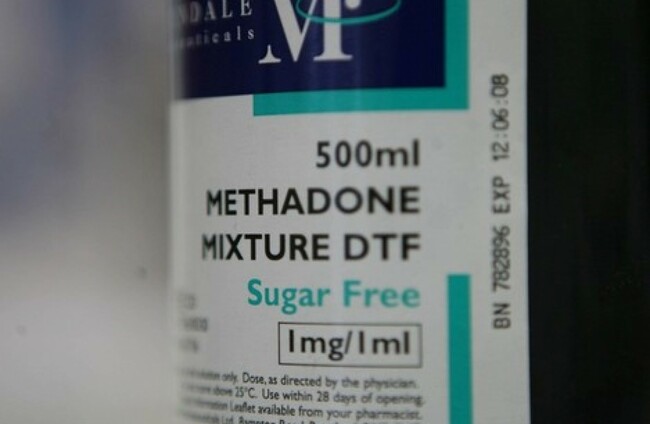
RESEARCHERS SAY THAT retaining patients receiving methadone treatment for longer periods will save lives, as a new study has shown that they are most at risk of overdosing in the month following the end of treatment and during its first four weeks.
People with opioid dependence have more than 10 times the risk of premature death than the general population. Methadone and other prescription drugs have been shown to be the most effective treatment for the issue.
A new study by scientists from the Royal College of Surgeons in Ireland has found that the rate of drug-related poisoning deaths was more than four times higher in the month following the end of treatment and over three times higher in the first four weeks of treatment when compared to the remaining time in treatment.
The researchers analysed data from 2,899 methadone users between January 2010 and December 2015. They observed 154 deaths, and 55 (35.7%) of those were identified as drug-related poisonings.
The findings are in line with a growing body of international studies and Dr Gráinne Cousins, the study’s lead author, says they show that keeping people in treatment for longer will save lives.
“Identifying a higher risk at the beginning and immediately after the end of treatment highlights that retaining patients in treatment for longer periods will save lives,” she said.
People often cycle in and out of treatment, thereby increasing their exposure to repeated periods of high risk.
The senior lecturer added that close monitoring of opioid tolerance before starting treatment and more effective methods of preventing relapse during the induction period may reduce people’s risk during this time.
Increasing patient awareness of the risk of overdose and making take-home naloxone, which blocks the effects of opioids, more widely available may also help combat overdoses during the high risk periods.
The study did not observe transfers between services as high risk periods, with no deaths occurring following a transfer. This suggests that the current structures in Ireland promote a smooth transition of patients between services.
The study is published in the current edition of Addiction and it was funded by the Health Research Board.

To embed this post, copy the code below on your site














have your say