Sign in. It’s quick, free and it’s up to you.
An account is an optional way to support the work we do. Find out more.
Sign in. It’s quick, free and it’s up to you.
An account is an optional way to support the work we do. Find out more.
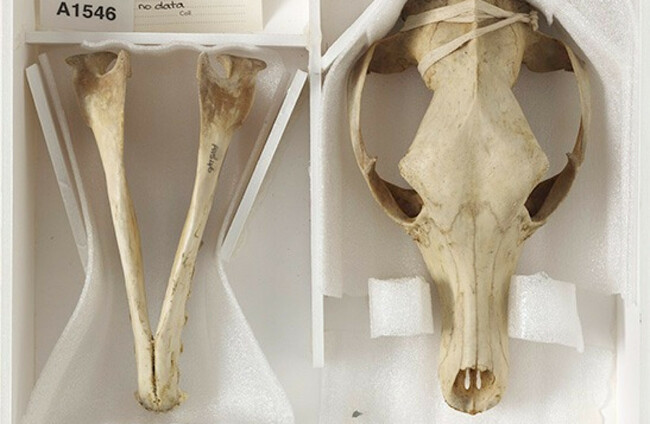
THE REMAINS OF the last known Tasmanian tiger have been discovered in a cupboard in the Tasmanian Museum and Art Gallery after being thought lost for the last 86 years.
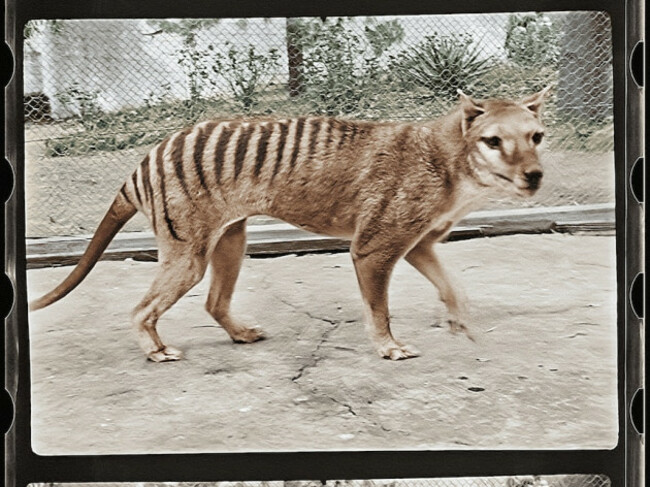
It was believed the skin and skull of the female thylacine, that died in the Hobart Zoo in 1936, had long ago been discarded.
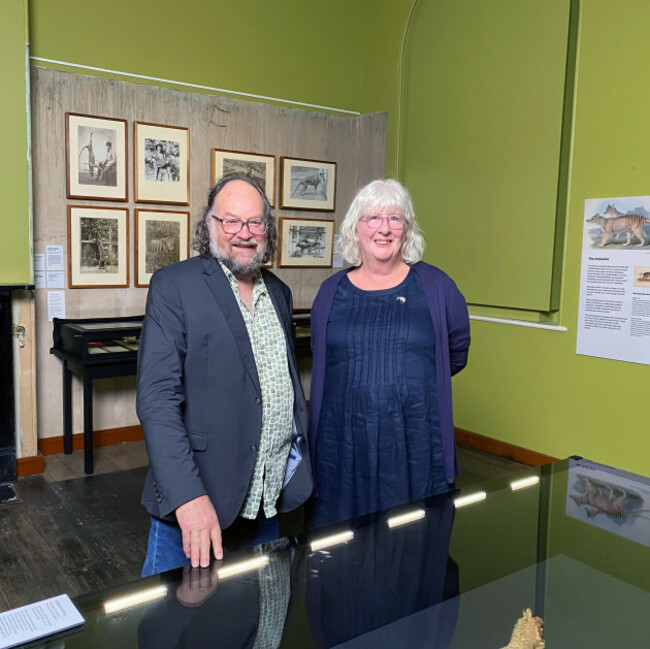
Two researchers, Robert Padlock and Kathryn Medlock have discovered that what had previously been thought to be the last known thylacine was actually the penultimate one, with the endling of the species having been captured by trapper Elias Churchill from the Florentine Valley in 1936, and then sold to the same zoo.
“The sale was not recorded or publicised by the zoo because, at the time, ground-based snaring was illegal and Churchill could have been fined,” Paddle explained.
“The thylacine only lived for a few months and, when it died, its body was transferred to TMAG.
“For years, many museum curators and researchers searched for its remains without success, as no thylacine material dating from 1936 had been recorded in the zoological collection, and so it was assumed its body had been discarded,” he further said.
A failure to correctly catalogue and record the tiger’s remains led to its skin being toured around the country in a travelling exhibit, with the staff handling it completely unaware that it belonged to the last of the species.
The researchers solved the mystery after they found an unpublished museum taxidermist’s report dated 1936/37 that mentioned a thylacine among the list of specimens worked on that year.
This led to a review of all the skins and skeletons in the TMAG collection, and the discovery of the remains of the actual endling in the cupboard.
“The thylacine body had been skinned, and the disarticulated skeleton was positioned on a series of five cards to be included in the newly formed education collection overseen by museum science teacher Mr A W G Powell,” Medlock said.
“The arrangement of the skeleton on the cards allowed museum teachers to explain thylacine anatomy to students.
“The skin was carefully tanned as a flat skin by the museum’s taxidermist, William Cunningham, which meant it could be easily transported and used as a demonstration specimen for school classes learning about Tasmanian marsupials,” she added.
The director of the museum Mary Mulcahy said the discovery of the remains of the last thylacine is “bittersweet”, especially as it was within the museum’s collection.
“Our thylacine collection at TMAG is very precious and is held in high regard by researchers, with the museum regularly receiving requests to access our mounted specimens as well as thylacine bones, skins and preserved pouch young.
“Our thylacine gallery is incredibly popular with visitors and we invite everyone to TMAG to see the remains of the last thylacine, finally on show for all to see,” she said.
Paddle and Medlock said that with the identification of the thylacine endling’s remains, and its placement on public display at TMAG, as a species the Tasmanian tiger may now appropriately take its place alongside the passenger pigeon and Carolina parakeet.
Bob Paddle and Kathryn Medlock’s paper will soon be available on the Australian Zoologist website.

To embed this post, copy the code below on your site












have your say