Sign in. It’s quick, free and it’s up to you.
An account is an optional way to support the work we do. Find out more.
Sign in. It’s quick, free and it’s up to you.
An account is an optional way to support the work we do. Find out more.
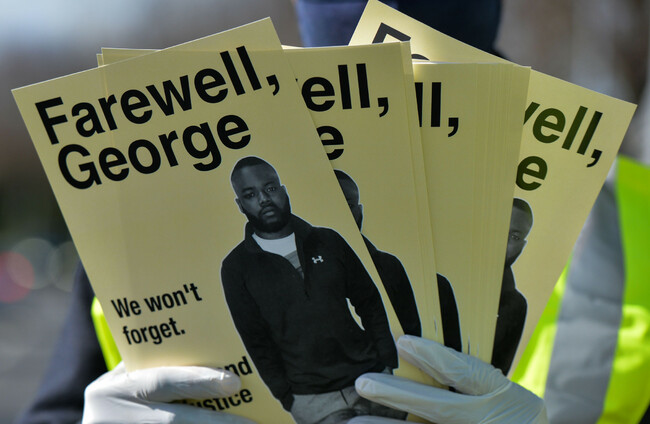
GARDA WATCHDOG INVESTIGATORS have sent a file to the Director of Public Prosecutions to determine if a member of the Armed Support Unit (ASU) should be charged in the shooting dead of George Nkencho.
The 27-year-old died outside his Dublin home in December 2020 after being shot multiple times by members of a Garda ASU while allegedly brandishing a knife.
His family have said that Nkencho was suffering from a mental health crisis at the time of the incident.
The Garda Síochána Ombudsman Commission (GSOC) launched a probe into the killing, as the watchdog is required to automatically investigate the circumstances when someone is injured or dies during an interaction with gardaí.
In a statement today GSOC said that it had made a number of findings of “operational risk” against the garda organisation.
“Arising from the peer review analysis, GSOC identified some areas of live operational risk for An Garda Síochána. The Ombudsman Commission communicated this to the Garda Commissioner, so that it may be addressed at the earliest opportunity.
“GSOC will elaborate publicly on these matters in the form of a systemic recommendation, and in the context of its broader undertaking to make detail of the investigation publicly available, when other statutory processes permit.
“Feedback and advice arising from the peer review process has now been incorporated into the file that issued today to the Office of the Director of Public Prosecutions,” the statement said.
The GSOC spokesperson said that a detailed statement on how the investigation was conducted is available.
“This investigation is now complete, and a direction by the DPP is awaited. GSOC will make no further comment at this time.
“GSOC undertakes to make the substantive detail of its investigation publicly available when other statutory processes permit,” the statement added.
There has been criticism from the Nkencho family, Garda representative bodies and politicians regarding the length of the probe.
It is understood that along with taking statements from gardaí and civilian eye witnesses to the incident, GSOC carried out substantial forensics and ballistics studies in the case.
Investigators also spoke to policing experts outside of Ireland during the two-year enquiry.
Sources with a knowledge of armed garda operations have said that measures are already being put in place by the Garda’s Special Tactics and Operations Command in anticipation of GSOC’s findings.
It is understood that gardaí have identified a number of procedural and training issues that are to be updated.
It is believed that these measures will look at the deployment of less lethal and lethal weaponry and how gardaí interact with armed people who are also suffering a mental health crisis.
They are also to get tazers, less lethal electric shock devices, that are better suited to people wearing heavy clothing.

To embed this post, copy the code below on your site









have your say