Sign in. It’s quick, free and it’s up to you.
An account is an optional way to support the work we do. Find out more.
Sign in. It’s quick, free and it’s up to you.
An account is an optional way to support the work we do. Find out more.
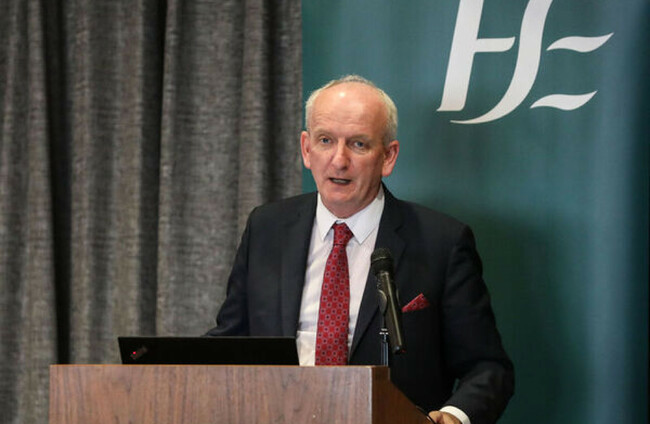
THE CEO OF the HSE has said that he is not sure that his recruitment embargo within the health service is working, as the health service’s workforce has continued to grow in excess of targets.
Officials from the HSE and the Department of Health were questioned on the efficacy and need for the recruitment embargo by politicians on the Public Accounts Committee today.
John Brady TD kicked off proceedings by remarking that today’s delegation of officials is one of the “largest” he has ever seen before the committee, adding that the recruitment embargo clearly isn’t impacting “senior management”.
HSE CEO Bernard Gloster said that it is “hard to know” how successful the recruitment embargo implemented within the health service last year actually was.
He said that the HSE still finished the year with a net growth of 8,300 staff members, when that figure was meant to be 6,100.
There’s a number of posts derogated due to the ban, but Gloster insisted that additional supports continue to be filled.
He said that it is not the case that 4000-5000 posts that the service had agreed to recruit for in principle, but which it had not committed funding for, had not been “scrapped”, he clarified that recruitment for these posts had been “paused”.
These roles which the HSE was due to recruit people into were part of agreed service development plans. They include medical, administrative, and management staff.
A tranche of these posts are now being considered for funding, under the €95 million in additional funding that the Health Minister secured for the HSE’s 2024 spending, Gloster said.
Gloster insisted that every graduate nurse in Ireland who wanted to work here was offered a job, and has been contracted, in spite of the recruitment pause.
He also said that every allied health professional who wants to work in disability services has been offered a job.
He said that he has relaxed the recruitment ban in respect of midwifery and other “crucial” workforces.
Gloster said that the HSE has not been given the amount of funding that it needs, according to last year’s spending, but that it is now up to management to work within the allocated budget and show the people of Ireland “how we are using the money they are giving us”.
General Secretary of the Department of Health Robert Watt said that the establishment of the new productivity and payments taskforce, which is being jointly chaired by himself and Gloster, will aim to deliver savings through focusing on areas like the procurement of medicines, and reducing spend on agency staff.
He said that further actions will be taken to ensure that the HSE’s reliance on nursing agencies is reduced. Watt said that a target of reducing spending on these agencies by 10% is already in place, but further targets and controls are to be introduced.

To embed this post, copy the code below on your site














have your say