Sign in. It’s quick, free and it’s up to you.
An account is an optional way to support the work we do. Find out more.
Sign in. It’s quick, free and it’s up to you.
An account is an optional way to support the work we do. Find out more.
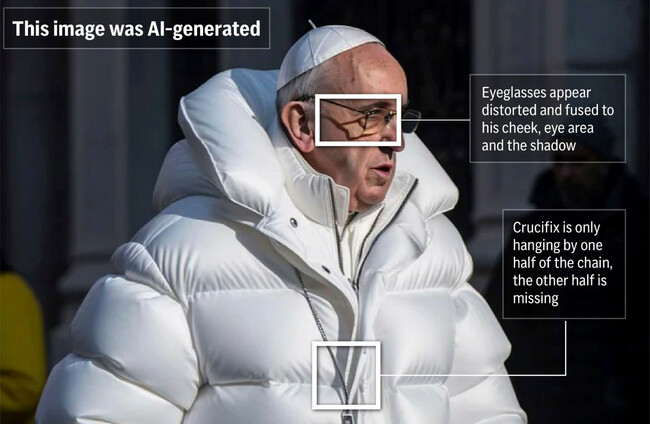
FIANNA FÁIL IS seeking to criminalise so-called ‘deepfakes’ which seek to defraud, scam or trick the public.
Deepfakes are typically generated using artificial intelligence (AI) and often create a somewhat realistic depiction of real-life scenarios. The technology is frequently used by bad actors who seek to scam or mislead the public.
Under the existing EU’s AI act, agreed last year, online platforms and companies which develop software to make deepfakes will face sanctions, if they do not do enough to curtail the creation and spread of misleading or deceptive AI-generated content.
Fianna Fáil’s proposal, brought forward by Wicklow-Wexford TD Malcolm Byrne, will seek to make the creation of AI impersonations as well as the use of deepfakes to mislead, fraud or scam an offence.
Speaking to reporters this morning outside Leinster House, Byrne equated deceptive deepfake technology to counterfeit currency, arguing there is a greater need to crackdown on the content which seeks to misrepresent reality.
He cited well-known examples where reporters and presenters from Irish television and other public figures, such as election candidates and even the Taoiseach, were required to take legal or other action to remove the deceptive content that depicted them.
“For all of us, one of the most important things that we have is our voice, our likeness, our image. It’s what we trust,” Byrne said. “When we seek you as journalists on news programmes or read what you’re saying, we trust what you are saying.
“But if somebody misuses your image, with the intention to deceive, it has serious consequences.”
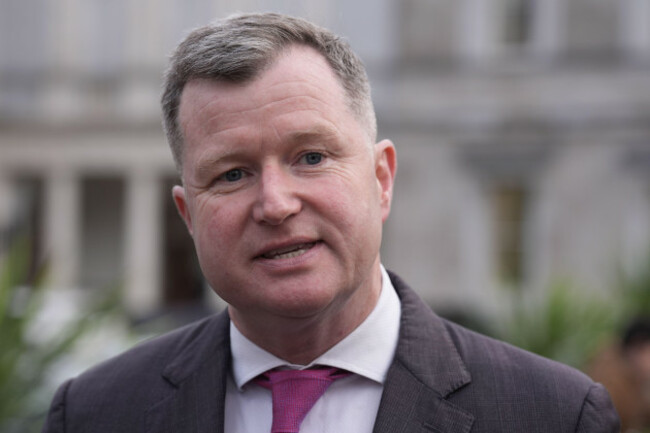
Asked if there will be provisions in the bill to make sure people are not prosecuted for creating parody work or sharing AI-generated images, Byrne said there would be.
He added that the draft law seeks to give better protections to everyone on the use of their image, content, creations and likeness by others who “deliberately misuses” their biometric data.
Platforms will soon have to make users to disclose if AI-generated material is being shared, under the EU’s AI act. The European legislation will also create clear and harsh guidelines and regulation on the use of copyrighted content and personal data.
“The balance has to be struck between free speech and parody and comedy, and there has been plenty of funny deepfakes, but the question is what happens when it becomes quite serious, and indeed when it could damage an individual’s reputation.”
Byrne defended the draft law when compared to existing legislation on the protection of reputation and defamation by claiming that the correct protections need to be developed to prevent citizens being harmed, tricked or taken advantage of by AI-made material.

To embed this post, copy the code below on your site














have your say