Sign in. It’s quick, free and it’s up to you.
An account is an optional way to support the work we do. Find out more.
Sign in. It’s quick, free and it’s up to you.
An account is an optional way to support the work we do. Find out more.
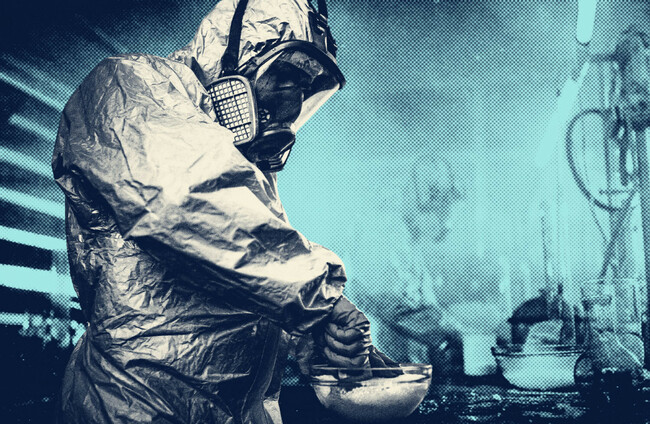
THE NUMBER OF suspected poisonings involving synthetic drugs reported to Ireland’s national poison centre has doubled in just three years, with doctors warning that some of these substances – which look to replicate the effects of cocaine or cannabis but which can be much stronger – can’t be detected by routine hospital drug tests.
Thirty cases were reported to the National Poisons Information Centre last year, while five enquiries made about these drugs in recent years involved substances so novel they could only be identified after further laboratory testing.
New HSE data shows almost 200 people were discharged from acute care in the past two years after needing treatment for synthetic drugs.
Medics said there is also a growing number of people being admitted to hospital due to psychotic episodes prompted by these drugs, also known as ‘designer drugs’ or New Psychoactive Substances (NPS).
The concerns come after two gardaí in Edenderry, Co Offaly, were hospitalised last month after handling vape products that had been seized from a commercial premises. Gardaí are understood to be looking into the possibility that the vapes contained a synthetic cannabinoid.
The new president of the Irish Medical Organisation, consultant adult psychiatrist at the Mater Hospital, Professor Matthew Sadlier, said there was now an “arms race” between the manufacturers and sellers of NPS, and those dealing with the fallout.
“Where I work in inner-city Dublin and it is reflected around the country, presentations related to drug use is a huge problem and especially new synthetic drugs.”
“We can have someone come in who seems like they are drug-affected, in an intoxicated state and you do drugs screening and they come back negative and it’s because it is not traditional cannabis, it’s synthetic cannabis and there are 200 of these products flooding the market.”
Information provided to The Journal Investigates by the National Poisons Information Centre at the Beaumont Hospital in Dublin shows the number of enquiries made to the Centre about synthetic drugs has risen each year, from 15 in 2023 to 22 a year later and 30 last year.
In five cases, it took further testing to establish what substance had been consumed because it was so new.
One-in-five inquiries involved accidental poisoning, where the person did not know what they had taken.
Data from the Health Research Board (HRB) issued earlier this summer showed a 50% increase in 2025 in demand for treatment for NPS, up to 256 cases.
The HRB also found that the number of cases reporting an NPS as a main problem drug in 2025 was the largest year-on-year increase since 2017. Synthetic cannabinoid type NPS drugs, including Hexahydrocannabinol (HHC), were reported most.
A HRB report published this year found that 57 synthetic substances were detected in Ireland for the first time between 2021 and 2025, as NPS became increasingly integrated into Europe’s drug markets
The HSE said some new substances do not always appear in routine drug tests used in emergency departments, and might instead be identified through more specialised laboratory testing, including by Forensic Science Ireland or the HSE’s National Drug Treatment Centre Laboratory – including from samples submitted by people at music festivals.
However, new data from the HSE on in-patient and day case discharges from acute hospitals show 198 were linked to synthetic narcotics across 2024 and last year.
The total number of discharges from acute hospitals with any diagnosis of mental and behavioural disorders due to use of a cannabinoid increased slightly last year to 1,163, but that figure does not distinguish between synthetic and natural cannabinoid.
Ireland has already experienced one serious outbreak involving a new synthetic drug. In November 2023, the emergency of nitazenes, a synthetic opioid, prompted a major public health response after a cluster of people overdosed on it.
Currently, early warning detection and outbreak management in Ireland is coordinated by the HSE and the National Response and Alert Group (NRAG) through scheduled meetings, email, and phone-based communication.
HSE Emerging Drug Trends Project Manager, Nicki Killeen, coordinates the Safer Nightlife Programme, which deploys volunteers and includes ‘back-of-house’ substance analysis at music festivals such as Electric Picnic, where people can anonymously surrender substances without fear of arrest.
She said younger populations are more likely to use psychoactive substances, including NPS.
“Ireland has a very unique supply in that we don’t have the same drug batches presenting in the UK or other EU countries,” she said.
Killeen said there was an increased risk when people buy NPS online or on the dark net, but added that another issue is that ‘copycat’ pills can be in circulation – purporting to be one drug but possibly containing different substances instead.
Killeen said proposed developments with the early warning system will improve the monitoring and tracking of the drugs market, and she said the draft National Drugs Strategy, published earlier this year, includes for the first time a pillar on NPS, reflecting growing concerns about their reach.

Trevor Bissett, Coordinator with the Clondalkin Drug & Alcohol Task Force, said the problems with NPS are “absolutely growing”.
“Anecdotally, we have heard of people receiving small shipments in the post from websites in China and or US so [we] assume these are part of the picture,” he said.
We have heard of people owing drug debts associated with synthetic substances, particularly synthetic cannabinoids.
Seven NPS were implicated in poisoning deaths in Ireland in 2022, the last year for which annual data is available, all involving NPS benzodiazepines. According to the HRB, the number of deaths in which NPS were implicated ranged from eight in 2018 to 25 in 2021.
There are also concerns over the impact of NPS on mental health.
One study found that of 214 total admissions for psychotic illness over a 21-month period at University Hospital Galway, 28 admissions were preceded by use of HHC.
Since 29 July last year, HHC and a number of other drugs have been classed as illegal substances, although in a letter published earlier this year a group of psychiatrists said this had failed to effectively limit its availability.
A separate piece of research which looked at individual presentations at hospitals following consumption of HHC included that a 20-year-old man who arrived at hospital having not slept at all for three days and who was worried he may have killed his friend.
Dr Gerry McCarney, a consultant child psychiatrist who works with young people across north Dublin, said some people report they are still getting HHC from some vape shops.
He said dissociation – a disconnection from thoughts, feelings, memories or sense of identity – was present in up to a quarter of cases that come to the attention of the service, but that other impacts of HHC included memory problems, anxiety and flattening of mood. He added:
There was a smaller cohort who became extremely paranoid and with very strong delusional ideas.
Dr Ian McClelland, Consultant Child and Adolescent Psychiatrist at St Vincent’s Hospital in Fairview in Dublin, said while the number of cases of teenagers aged 15 to 18 attending for in-patient care due to NPS is small, it is growing.
“It [the psychosis] is lasting longer, it is more treatment-resistant, their mood – maybe they’re not sleeping, they go a little bit agitated or manic or hyper mania.”
Investigations like this don’t happen without your support… Impactful investigative reporting is powered by people like you.
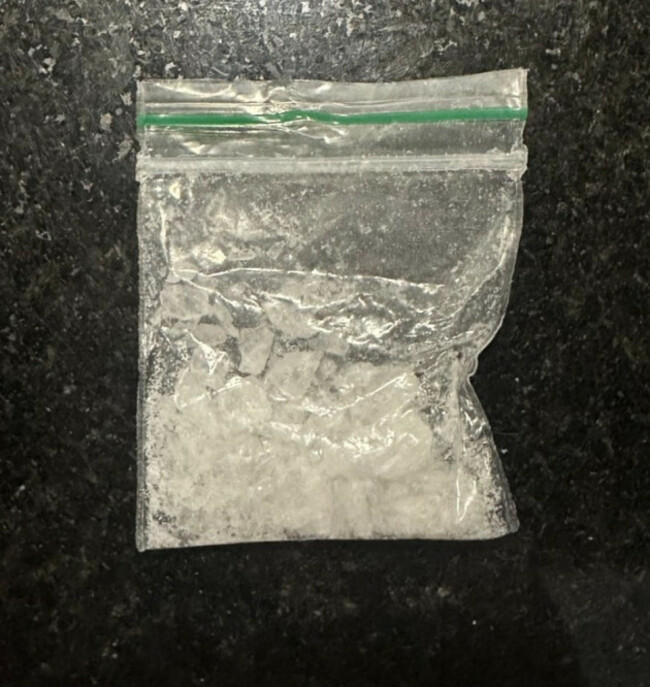
Last December the Ana Liffey Drug Project began working with the HRB on a pilot test of a new frontline tool that allows key workers in harm reduction services across Dublin as well as in Clare, Limerick, Tipperary and Louth to report incidents using a phone link.
It allows for the phone uploading of pictures of new pills and substances as well as information from service users about the street name of a drug, its availability, taste and effects.
Ana Liffey CEO Dawn Russell said: “This is very anecdotal, frontline, emerging information.
“It’s not every day that you have a new trend on the street, it’s not like alerts are going up all the time, but one or two a week [is possible].”
Ana Liffey has logged just over 50 cases since it started trialling the system – a combination of new street drug trends, incidents of overdose and client feedback on drugs feeling different.
Russell said there isn’t a “culture” in Ireland of people seeking out high risk opioids, but that the nightlife community, recreational drug users and younger people are vulnerable to ‘new’ drugs which may not even be what they purport to be. She said even regular drug users notice that the drugs they use can have a different impact, suggesting synthetic elements in their composition.
“They are reporting back to us that their tablets are tasting and feeling different all the time.”
Russell said that while the challenge now is different from the ‘headshop’ era, there are still public health challenges. One of them is that “the face of high risk problematic drug use is changing.”
The authors of the HRB supplement outlined the need for increased investment for an early warning team as well as more lab-based substance analysis.
It also said there was a need for an online platform capable of receiving data reported by stakeholders employed in health services, drug treatment, law enforcement agencies, harm reduction services, hospitals and laboratories.
The Department of Health said the next National Drugs Strategy was being finalised, and the minister expects to submit a revised strategy to government for approval and publication in September.
The HSE said it has already conducted work with a number of Emergency Departments to analyse biological samples associated with unusual presentations associated with drug use, while the Irish Wastewater project to identify substances in wastewater commenced this summer.
Dawn Russell said the ‘back of house’ model used at music festivals should evolve into a broader ‘front of house’ plan where substances would be deposited anonymously in cities and at street level, a view shared by Sinn Féin TD Ann Graves, the party’s spokesperson on drugs policy.
“Most people who use drugs on the recreational scene start out at 11pm, you would need to be open way into the evening,” Russell said.
“You could have the lab testing on site, and staff on site that would reflect the different demographics, who could offer harm reduction advice and if they need it, crisis support.”
At the IMO annual conference earlier this year, Professor of General Practice at the UCD School of Medicine, Dr Ray Walley, proposed a motion seconded by Dr Sadlier in relation to synthetic derivatives.
It called on the Minister for Health to set up a specialist medical-led unit reporting to the Minister to deal with “dynamic significant threats to population health.”
But Walley, a leading figure in the Standing Committee of European Doctors (CPME), is pessimistic this will happen.
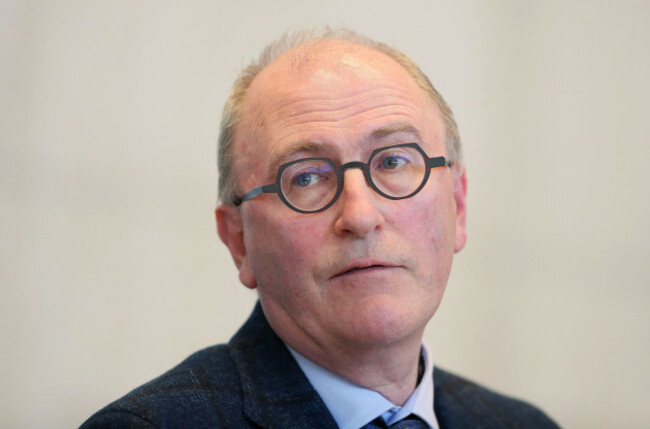
“We are not dynamic, we are not proactive,” he said. “We are not dealing with the medical aspects of this and often it is the medical people who are the canary in the mine.”
He said more education was needed at schools dealing specifically with the medical impact of drugs including cannabis and its synthetic derivatives, and their role as gateway drugs. He said any future drugs strategy needed to be proactive and deliver on its commitments.
“We are absolutely Olympian at producing glossy documents,” he said.
“Until we start doing actions no one believes anything is going to happen.”
Dawn Russell said: “We are not in a place where we say ‘we’ve seen it all before’ – no, we haven’t.”
Reporter: Noel Baker • Editor: Christine Bohan • Social Media: Cliodhna Travers • Main Image Design: Lorcan O’Reilly

To embed this post, copy the code below on your site










have your say