Sign in. It’s quick, free and it’s up to you.
An account is an optional way to support the work we do. Find out more.
Sign in. It’s quick, free and it’s up to you.
An account is an optional way to support the work we do. Find out more.
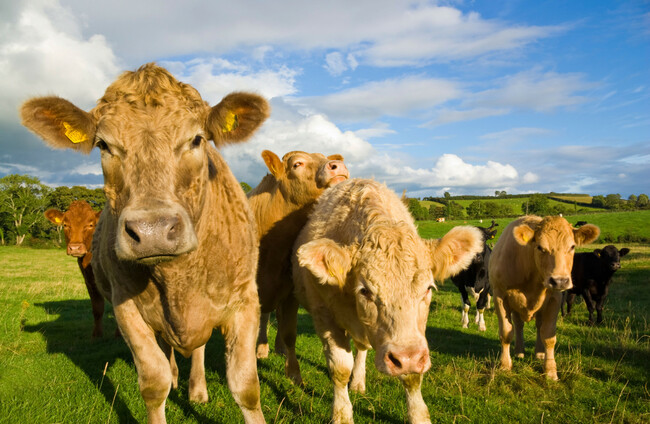
VACCINATIONS FOR BLUETONGUE in cattle and sheep will be rolled out across the country from 2026, following the confirmation of four outbreaks of the virus in Northern Ireland.
Minister for agriculture Martin Heydon said the detection of the bluetongue virus (BTV3) in Co Down has significantly changed the disease risk on the island and increased the likelihood of spread during the summer of 2026.
“My objective has always been clear: to detect any incursion of BTV3 as early as possible, to respond as effectively as possible, and to reduce any disease impact on Irish cattle and sheep, and thus the consequences for Irish farmers,” Heydon said.
Bluetongue is a viral disease affecting cattle, sheep and other ruminants and is spread primarily by midges.
The virus can only replicate when average daily temperatures exceed 12 degrees, meaning the summer months represent the main risk period.
Heydon said farmers may wish to consider vaccination in spring 2026 to protect livestock in advance of warmer weather and advised those interested to consult their veterinary practitioner.
A licence will be required to obtain and use BTV3 vaccines, with application details to be published shortly on the Department of Agriculture’s website.
There are currently three BTV3 vaccines approved for use in the EU.
The Department noted that vaccination does not prevent infection entirely but can reduce virus levels and lessen clinical symptoms.
The Irish Farmers’ Association said earlier this month that the confirmation of cases in Co Down means the highest level of vigilance is needed across the sector.
IFA President Francie Gorman said lower temperatures and reduced midge activity provide an opportunity to contain the outbreak but called for close cooperation between authorities north and south to avoid trade disruption.
“The Department of Agriculture must work closely with DAERA in NI to achieve this and ensure we don’t have any disruption to trade,” Gorman said.
IFA Animal Health Chair TJ Maher said preventing further spread is critical, warning that any trade disruption or production losses would fall directly on farmers if the disease spreads.

To embed this post, copy the code below on your site











have your say