Sign in. It’s quick, free and it’s up to you.
An account is an optional way to support the work we do. Find out more.
Sign in. It’s quick, free and it’s up to you.
An account is an optional way to support the work we do. Find out more.
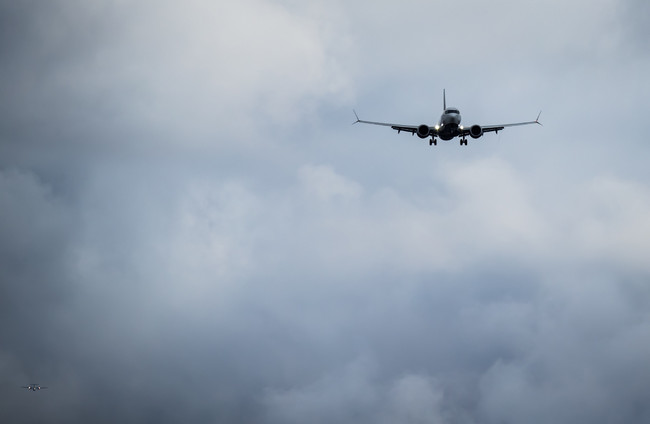
AVIATION AUTHORITIES AND airlines around the world have suspended the operation of all variants of the Boeing 737 Max aircraft in recent days.
The Irish Aviation Authority (IAA) is among those to have suspended flights involving the aircraft, with two US-bound Norwegian planes grounded at Dublin Airport yesterday.
Ryanair has also ordered 135 of the planes, and has options on 75 more, although chief executive Michael O’Leary says the company does not plan to change this.
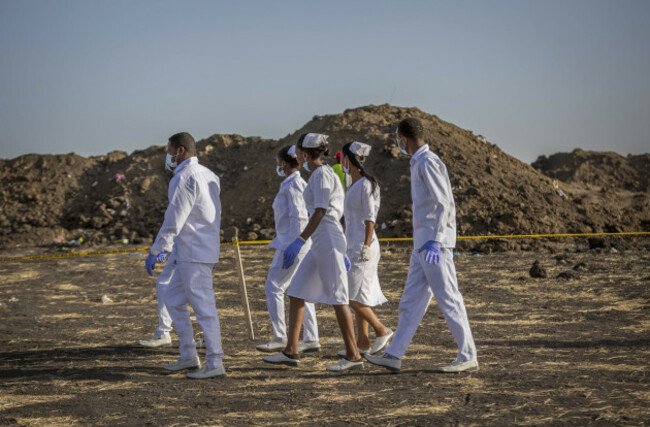
The move follows the crash of an Ethiopian Airlines flight on Sunday, in which 157 people – including Irishman Michael Ryan – were killed.
Yesterday evening, the European Aviation Safety Agency also announced a Europe-wide suspension of flights involving the aircraft.
Around 350 of the planes are currently in service around the world, while Boeing has also taken more than 5,000 orders for different versions of the carrier.
It means a potential headache for both passengers and the aircraft manufacturer, with suggestions that this week’s developments could shape Boeing’s fortunes for years.
‘No evidence’
Safety concerns surrounding the 737 Max were first sparked after a Kenya-bound Ethiopian Airlines flight crashed minutes after it took off from Addis Ababa on Sunday.
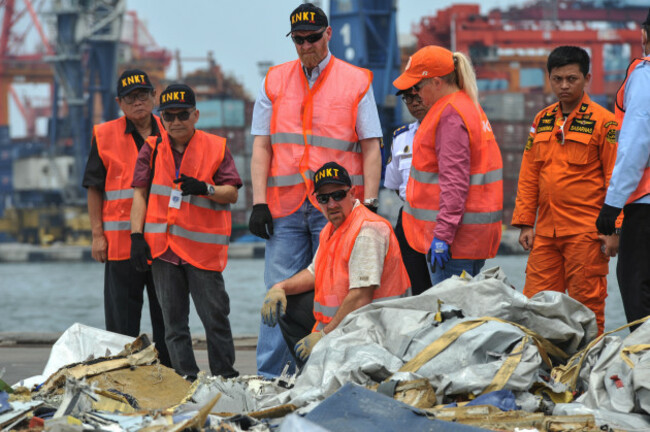
That alone may not have been enough to ground flights involving the aircraft, but it came four months after a Lion Air jet of the same model crashed in Indonesia, killing 189 people.
Although no problems with the 737 Max have been identified, authorities and airlines felt compelled to act because the aircraft has only been in the air since 2017.
One aviation expert who spoke anonymously to AFP outlined the similarity between the two crashes.
“Like Lion Air, the [Ethiopian Airlines] accident took place shortly after takeoff and the pilots signaled they were experiencing problems, then the plane crashed,” they said.
“The similarities are clear.”
But Diarmuid O’Gorman, an aerospace engineering lecturer at IT Carlow, suggested that authorities may be jumping to conclusions.
“Anyone could look at it and say they’re similar, but really we won’t know that until more information comes out,” he tells TheJournal.ie.
“If you’re cynical, you could say that the regulatory bodies had to be seen to be doing something, even though they had no evidence.
“It’s so new and so fresh that it’s possible that the regulatory bodies might be jumping the gun a little bit.”
Future importance
Since going on the market, dozens of airlines around the world have embraced the 737 Max for its fuel efficiency and utility for short and medium-haul flights.
But it’s not the first time the aircraft has faced skepticism from the aviation community.
In May 2017, the company stopped test flights of the aircraft over concerns about the engine produced by CFM International, jointly owned by France’s Safran Aircraft Engines and GE Aviation.
After October’s Lion Air crash in Indonesia, the aerospace community raised further questions about the lack of information on the plane’s anti-stall system.
Following an initial investigation, Boeing issued a bulletin telling pilots what to do when faced with problems with its airspeed indicator and angle of attack sensors.
In fact, the plane’s future is so important for the company that if any technical corrections are needed, the company says it will make them.
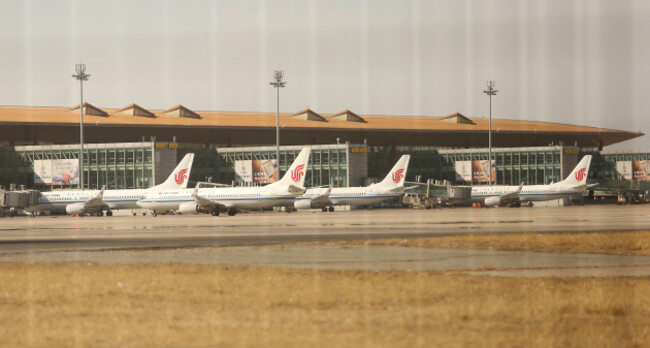
But this week’s incidents have caused huge damage to the company, according to O’Gorman.
“It could be incredibly damaging to Boeing, especially from a business point of view,” he says.
“This new plane was going to be their show pony, so when lawmakers make a shout to ground flights like they have done, it doesn’t look good.”
If investigators find a common cause for the Ethiopian and Indonesian tragedies stemming from the aircraft’s design, it could be a serious blow to Boeing and prompt airlines and passengers to shun the jet.
“This could go worldwide if you see passengers voting with their feet,” O’Gorman says.
“The worrying thing is that both incidents involved new aircraft in similar circumstances, even though there are many factors that can cause an airline to crash. It’s a tricky one.”
Initial assessment
But despite authorities in the EU, Australia, China, and airlines in Mexico, Brazil, and South Africa grounding the planes, the US regulator, the Federal Aviation Administration, has yet to do the same.
On Monday night, the FAA issued a statement saying that while others have drawn similarities between the Indonesia and Ethiopia crashes, it was not willing to do so.
“This investigation has just begun and to date we have not been provided data to draw any conclusions or take any actions,” the FAA said.
This, as well as economic pressure from airlines and manufacturers may also see the planes take to the skies again, as carriers may struggle to source other aircraft for routes served by the 737 Max.
O’Gorman suggests that while a full investigation will take months, a preliminary analysis by Ethiopian authorities into Sunday’s crash could resolve the issue sooner than that.
“They could certainly make an initial assessment of the accident and rule out an issue within weeks,” he says.
“The flight recording equipment from the Ethiopian Airlines flight could show the aircraft itself is safe, and these kind of worrying problems could be sorted quite soon.”
Until then, Irish passengers travelling with Norwegian from Dublin and Shannon airports have been advised to check with the airline for updates.
A spokesman for Norwegian told TheJournal.ie that the company was continuing attempts to re-allocate passengers onto other Norwegian flights, while the company is also offering re-bookings to passengers affected by the grounding of 737 Max planes.
With additional reporting from Associated Press and - © AFP 2019

To embed this post, copy the code below on your site













have your say