Sign in. It’s quick, free and it’s up to you.
An account is an optional way to support the work we do. Find out more.
Sign in. It’s quick, free and it’s up to you.
An account is an optional way to support the work we do. Find out more.
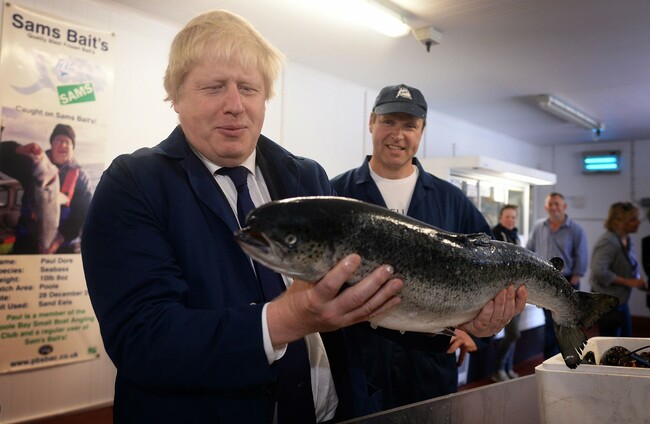
AN ITALIAN MINISTER has described British Foreign Minister Boris Johnson’s aim of retaining common market access while restricting immigration as “wishful thinking”.
While negotiations are officially forbidden by the EU until Britain triggers Article 50 to exit the bloc, the opening shots in the looming trade discussions have already been fired.
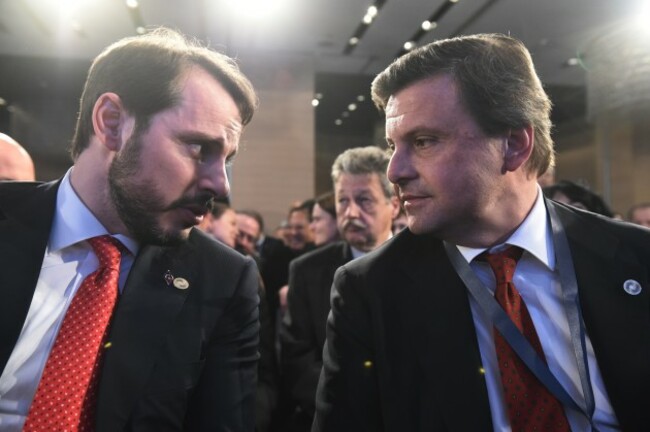
Recalling a recent meeting with Johnson, Italy’s economic development minister Carlo Calenda said the UK’s foreign minister claimed Italy would support Britain’s access to the single market.
“His answer was: ‘OK, but you are selling a lot of what we call Prosecco in the UK… and you will allow us to do this because you don’t want to lose Prosecco exports’,” Calenda told Bloomberg TV.
The Italian minister said he pointed out that while his country could lose Prosecco exports to one country, Britain risked losing out on “fish and chips” exports to the other 27 EU countries.
“He basically said, ‘I don’t want free movement of people but I want the single market’,” Calenda told Bloomberg.
I said, ‘no way.’ He said, ‘you’ll sell less Prosecco.’ I said, ‘OK, you’ll sell less fish and chips, but I’ll sell less Prosecco to one country and you’ll sell less to 27 countries.’ Putting things on this level is a bit insulting.
“My perception is that there is a lot of confusion… which to be honest is not acceptable,” Calenda added. ”Now what we need is to define the framework of the negotiation.”
He also described the British Government’s strategy as chaotic, and said the rest of the continent is being held hostage by Tory Party in-fighting. Calenda is a former Italian envoy to the EU.
Last June, Britain voted to leave the European Union in a referendum, and prime minister Theresa May has said she will trigger Article 50 – the formal procedure for departure – by the end of March 2017 at the latest.
Movement of people
One of the key factors behind the Brexit vote was the influx of hundreds of thousands of citizens of other EU states into Britain every year to find work.
May has said she wants to cut these numbers while retaining “maximum” access to the EU single market for British firms.
EU leaders have ruled this out, saying Britain would have to accept free movement of people.
A survey by NatCen Social Research published yesterday found Britons overwhelmingly want to maintain free trade with the European Union after Brexit while controlling EU immigration.
Some 90% of respondents said they wanted EU and British companies to continue to be able to trade freely.
But 70% said they wanted limits on the number of EU citizens allowed to live and work in Britain, and a similar number wanted the reintroduction of customs checks on goods entering the country from the EU.
“The kind of deal that is most likely to prove electorally popular is one that maintains free trade but permits at least some limits on EU migration,” said Professor John Curtice, senior research fellow at NatCen and a respected polling expert.
The survey of 1,391 people was conducted online and on the phone between September 22 and October 24.
Impossible
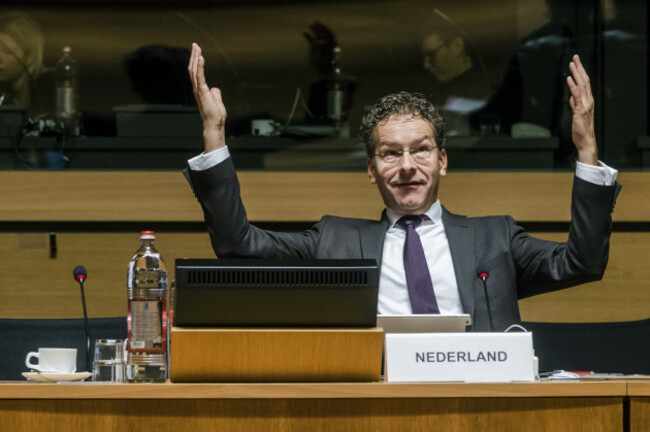
Yet Eurogroup chief Jeroen Dijsselbloem has dismissed as “intellectually impossible” the notion that Britain could retain unfettered access to the European single market while also cutting down on EU immigration.
Dijsselbloem has also warned that negotiations for Britain’s departure from the EU would take “a lot longer than two years” – the estimated timetable written into the EU treaties.
Dijsselbloem spoke after an interview by Johnson with Czech daily Hospodarske Noviny in which the British foreign minister reportedly said Britain would “probably” have to leave the European customs union but still have “free trade” with EU states.
“He’s saying things that are intellectually impossible, politically unavailable,” Dijsselbloem, who is the Dutch finance minister and head of the eurozone finance ministers group, told the BBC.
Speaking to CNBC on the sidelines of a conference hosted by UBS bank in London, the minister said: “I don’t think he is being realistic and fair to the British electorate on what’s possible.”
At the conference, his spokesman said he told delegates: “Negotiations are hugely complex… They are going to take a lot longer than two years”.
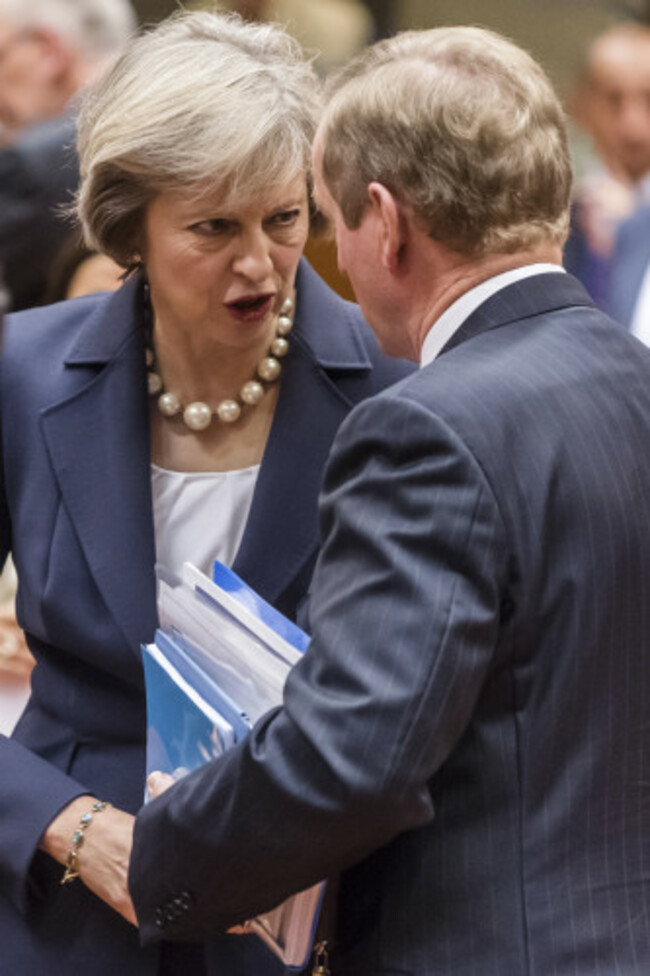
May addressed the British parliament in defensive mode yesterday, following a leaked report from a consultancy saying the government had no overall plan for Brexit.
“Yes we do have a plan,” she told MPs, but then refused to reveal what it was in any detail, saying this would undermine Britain’s negotiating position.
At the banking conference, Dijsselbloem said Brexit was a “lose-lose situation” for Britain and the EU.
He also said that the British and EU economies would both be in “a worse situation” after Brexit.
AFP, with reporting from Darragh Peter Murphy.

To embed this post, copy the code below on your site












have your say