Sign in. It’s quick, free and it’s up to you.
An account is an optional way to support the work we do. Find out more.
Sign in. It’s quick, free and it’s up to you.
An account is an optional way to support the work we do. Find out more.
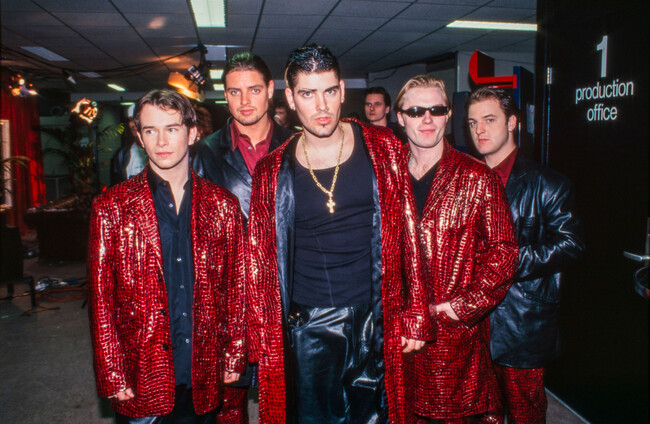
A NEW DOCUMENTARY on Irish pop band Boyzone is airing on Sky Documentaries and NOW tonight at 9pm.
The three-part documentary, Boyzone: No Matter What, features never-before-seen footage of the band, as well as interviews with band members Ronan Keating, Shane Lynch, Keith Duffy, and Mikey Graham, as well former manager Louis Walsh.
Stephen Gately’s sister Michelle is also interviewed for the documentary, as is Gately’s former partner, Dutch pop star Eloy De Jong.
Boyzone were formed in 1993 by Walsh as an Irish answer to Take That and went on to score nine Number One singles in Ireland and six in the UK, selling over 25 million records worldwide.
The band’s final gig was on 25 October, 2019, when they finished a five-night run in the London Palladium as part of their Thank You & Goodnight Tour.
The highly anticipated documentary will chart the formation of the band to rows with Walsh, and will also see them grapple with the sudden loss of Gately.
Gately died in 2009 of natural causes at the age of 33 shortly after the band had staged a comeback.
In the documentary, there is a scene where Keating, Walsh, and Gately’s sister Michelle are individually presented with a copy of The Sun newspaper from 1999, when it carried a front-page story on Gately “coming out”.
It was widely reported at the time that Gately only conducted the interview with The Sun because the press was going to “out” him.
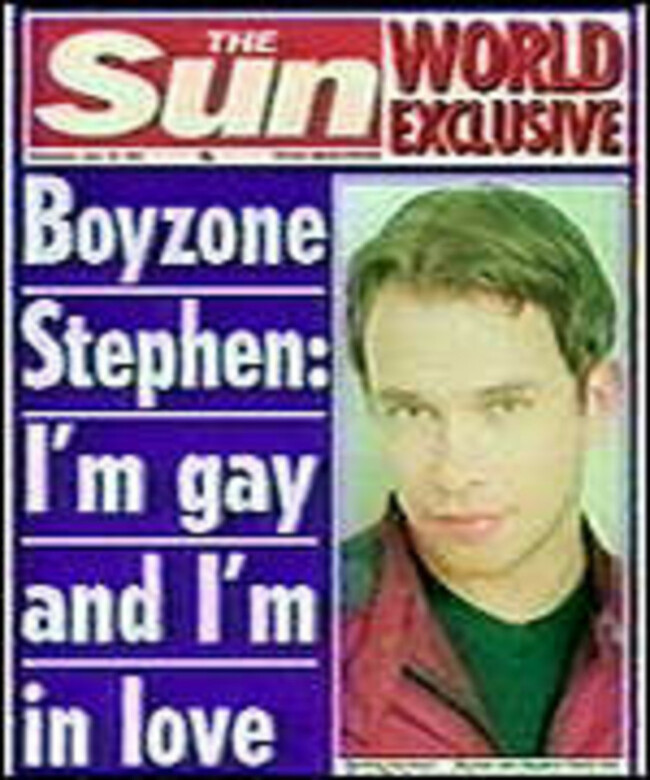
Keating tears up when he is handed the 1999 copy of The Sun with Gately’s interview, while his sister Michelle bursts into tears.
However, when Walsh is handed the copy of The Sun, he said: “Wow, what a great picture, I love it. It’s the lead story, it’s great to see he got the front page.”
When asked about this moment by The Journal, Keating said: “When I watched that part of the film, it took the wind out of me. It was very hard to watch that.”
He added: “There’s a lot of those moments with lots of different people – journalists and so on – you just can’t believe just how ruthless people were.
“It’s devastating at times to watch and to hear it.”
Keating also told The Journal that Walsh is “incredibly honest in the film, and that’s wonderful that he has been that honest”.
“I think maybe he’s got to a stage in his life where he sees certain things in a different light now,” said Keating.
“It was his decision to be in the film and to say the things he said.”
In the documentary, Walsh remarks that while the band “believed their own publicity, they forgot I wrote it”.
“Sometimes, the boys would read stories in the papers about themselves that weren’t true and they’d say ‘who told them that?’ I did.”
One somewhat extreme example of this was when Walsh made up a story about Boyzone being involved in a plane crash.
“I had them in a plane crash once in Australia and I forgot to tell the families I made it up.
“There was no plane crash, but it got a good story.”
However, Walsh said actions like these were his job and that he was “promoting them”.
A picture of Keating, Lynch, and Duffy sharing a pint together last summer sparked rumours of a reunion.
Mikey Graham was absent from this meet-up, which is also featured in the documentary.
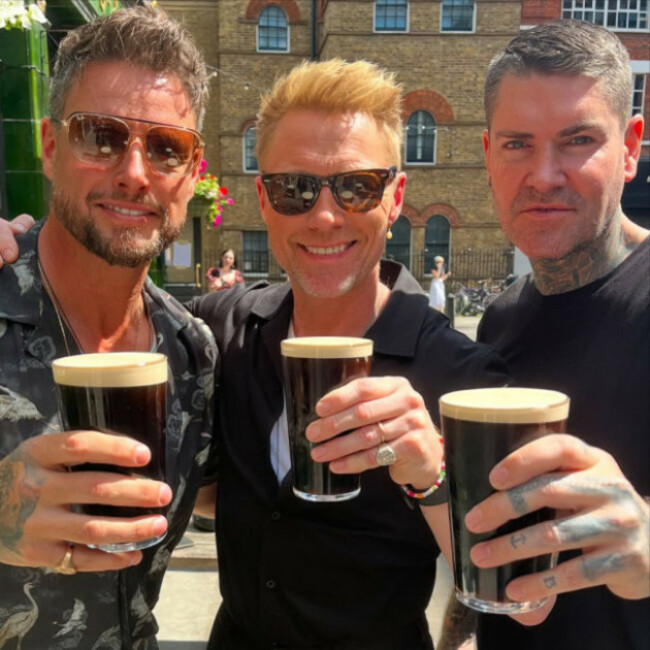
“That was Mikey’s decision to not be there, and you have to respect and appreciate that,” Keating told The Journal.
He added: “I spoke to Mikey, and we got to a stage where he wanted to be in the film, and I was delighted that he got to tell his story.
“I knew everybody was going to get their moment to tell their story and it’s so important that Mikey got to tell his.”
But in the documentary, Graham said there was a period during the height of the Boyzone hey-days where Walsh didn’t speak to him for seven years.
“Louis went from one day speaking with me to never speaking to me for seven years and I never knew why,” Graham tells the documentary.
Walsh for his part acknowledged that he “probably ignored him a little bit not realising, but it’s because the others were so full on”.
“I thought he was happy being the quiet one at the back,” added Walsh.
Graham recounts a low point in his early 20s following this.
“In that loss of ambition, high spiritedness, vitality – when that left me a lot of things left me.
“My interest in my own appearance and I didn’t drink until I turned about 24-ish and I was introduced to Jack Daniels and Coca Cola and that became the thing that got me through the next few years of the sadness and disenchantment.
“I was very frustrated, angry, depressed because of all of that, I would withdraw from the band.”

To embed this post, copy the code below on your site









have your say