Sign in. It’s quick, free and it’s up to you.
An account is an optional way to support the work we do. Find out more.
Sign in. It’s quick, free and it’s up to you.
An account is an optional way to support the work we do. Find out more.
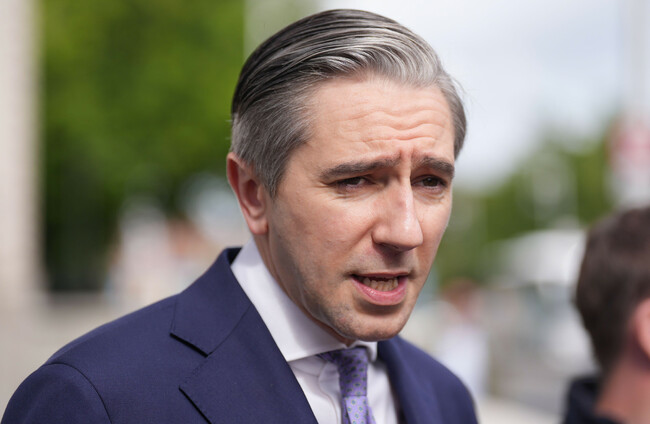
IRELAND IS “OUT of kilter” with other countries when it comes to the higher rate of income tax kicking in for workers, Tánaiste Simon Harris has said.
Harris has made it clear that there will be an income tax package in this year’s budget, which is just over six weeks away.
He said the rate at which the higher rate of tax applies — €44,000 — is too low.
However, the figure or where the government will land on the issue has not been settled, confirmed the Tánaiste.
From his perspective, the Tánaiste said indexation, increasing bands and increasing credits is “a good and sensible thing to do”.
Speaking to reporters on Tuesday on his way into the cabinet meeting, Harris denied that making changes will narrow the tax base, stating that it is about recognising that if people get a wage increase or work a few hours overtime that it’s “unfair” to push them into paying the higher rate of tax.
“We’re still out of kilter with many other countries. Since 2015, we’ve made a lot of progress on this. You used to pay the higher rate of tax in Ireland at €33,000. We have it now at €44,000… I want to see if we can manage to anchor income tax policy in this budget,” he said.
While the tax package amounts to €1.5 billion, the finance minister said that envelope could increase if the government decides to raise revenue, for example, through an increased bank levy or increasing excise on cigarettes.
“That can obviously be put towards tax measures as well. So we haven’t settled on the figure yet,” he said.
“We’re really getting down now to the hard graft of shaping the budget that we will deliver on the 6 October. And for me, the priorities will be making sure that work pays, to give people who are out there working hard a little bit of a break, a little bit of a breather in terms of their own tax,” said Harris.
Harris said there are also a number of other key areas where he said costs are crippling families.
“Childcare is one, and energy is another,” he said.
It is growing ever more likely that the carbon tax increases will be deferred further, with the Tánaiste stating last week that the government were considering a number of measures.
The deferral of the planned carbon tax measures was announced in April, following the fuel protests.
The government announced that a planned increase due to kick in on 1 May 2026 of €71 per tonne would be postponed until 14 October 2026.
Carbon tax is levied on fuels: coal, peat, home heating oil, natural gas supplies to consumers and, of course, petrol and diesel.
There have been reports of tensions between Fianna Fáil and Fine Gael over the proposed carbon tax deferral; however, this was roundly denied by both Harris and Micheál Martin on Tuesday.
Explaining the government’s thought process, Harris said:
We have a situation where, on the one hand, government is trying to temporarily reduce the cost of energy, while on the other hand, there’s other measures that government pursues that increase the cost of energy too.
He said two things are under consideration: the trajectory of when the increase kicks in, and secondly, the fuel products that carbon tax is applied to.
Harris said he is a supporter of the carbon tax, as is the government.
“But the trajectory for the carbon tax was set before there was a war in Ukraine, before President Trump and Iran were involved in this conflict. In other words, the trajectory for the carbon tax was set before there were two massive global shocks to energy prices. So I think that merits at least reflection.
The government will consider all options, but Harris said whatever decision is reached, it will have fiscal implications.
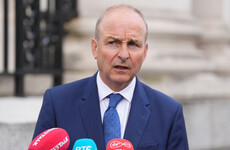
Singing off the same hymn sheet, the Taoiseach said there are “no tensions” between the government parties.
However, he did point to how the revenues from the carbon tax trajectory, as set out in legislation, have been baked into the national development plan expenditure profile, particularly for the Department of Climate and Energy.
Martin also added that the carbon tax revenue goes to farmers in terms of environmentally friendly farming initiatives and underpins a lot of the fuel poverty initiatives, as well as the retrofitting programme.
“But again, all of those things fall for discussion. But those are the issues that would have to be reconciled,” said the Taoiseach, highlighting that one of the purposes of the retrofitting and solar grants is to make energy cheaper for people.

To embed this post, copy the code below on your site













have your say