Sign in. It’s quick, free and it’s up to you.
An account is an optional way to support the work we do. Find out more.
Sign in. It’s quick, free and it’s up to you.
An account is an optional way to support the work we do. Find out more.
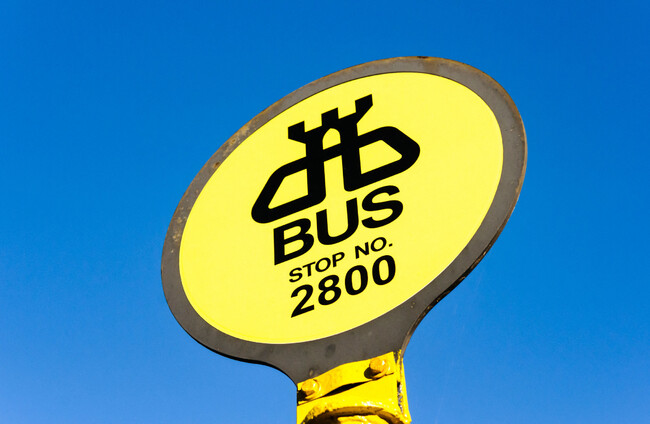
EIGHT IN TEN households in Ireland are within 2km of a bus stop, according to new figures from the Central Statistics Office (CSO).
However, that proportion falls to 68% for stops served more than 10 times between 6am and 8pm on a midweek day, which the CSO classifies as “high frequency”.
Almost half of households, 47.6%, are less than 500 metres from a bus stop, while one in four are more than 4km from a high-frequency bus stop.
The figures, published today, measure the shortest distance by road between homes and transport services.
The findings show substantial differences between urban and rural areas, particularly in access to more frequently served stops.
In cities, half of households are within 300 metres of a high-frequency bus stop.
In highly rural or remote areas, the equivalent distance is 8.4km.
Roscommon has the longest median distance to a bus stop at 2.1km, meaning half of households are closer and half are further away. For high-frequency bus stops, that distance rises to 7.2km.
Dublin records a median distance of 300 metres for both categories.
Homes in Belmullet, Co Mayo have a median distance of 24.1km to a high-frequency bus stop. A quarter of households there are more than 32.6km away.
Rail services are less geographically accessible.
Nationally, half of households are within 5.5km of a rail stop, while almost one in five are at least 20km away (three counties have no stations – Donegal, Monaghan and Cavan).
The CSO also examined access to fuel stations, finding that half of households are within 1.4km of one.
Leitrim households face the longest distances: half are more than 6.5km from their nearest fuel station, while a quarter are more than 10.7km away.

To embed this post, copy the code below on your site












have your say