Sign in. It’s quick, free and it’s up to you.
An account is an optional way to support the work we do. Find out more.
Sign in. It’s quick, free and it’s up to you.
An account is an optional way to support the work we do. Find out more.
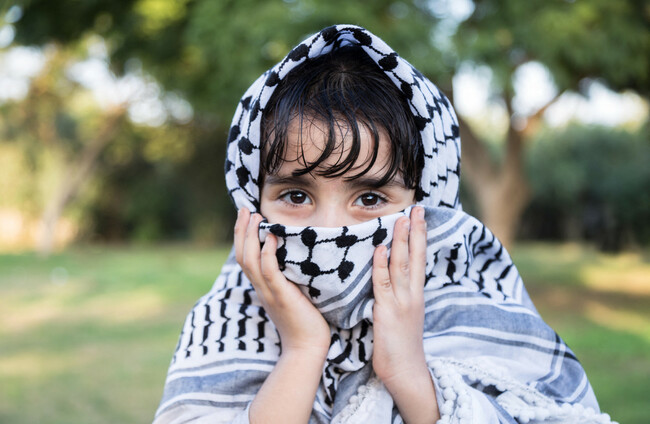

SHE WAS 15 when she became a wife. Four months later, she was pregnant.
The teenager married her 23-year-old cousin after both families were displaced to Rafah, at a time when hunger was tightening its grip on Gaza. Her family had lost their home and had little income. Her father was not working, and they were surviving largely on aid.
Then her brother, who had helped support the family, was killed while going to collect aid.
Soon afterwards, the family married off two of his sisters. One was 19. The other was 15.
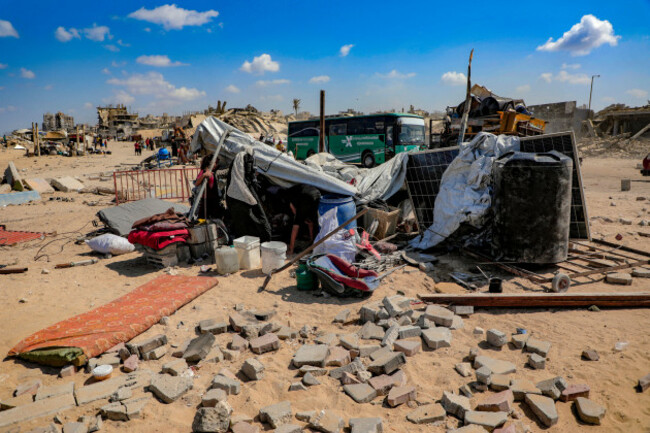
There was no wedding hall for the younger bride, no new bedroom furniture and no home for the couple to move into. The family held a small celebration in their displacement tent. Her dowry was around 2,000 Jordanian dinars — far below what relatives say would have been expected before the war.
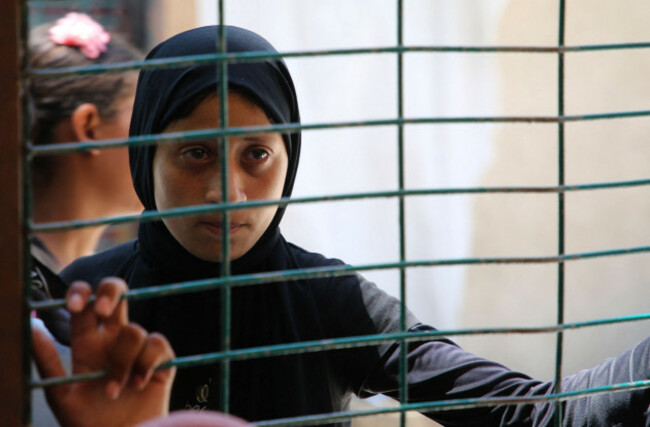
Dina (29) lives in the same household. She watched what came next at close range.
During the first months of marriage, she remembers the teenager frequently complaining of abdominal pain and exhaustion. Then she became pregnant, amid severe food shortages and limited access to vitamins and medical care.
“She was always tired,” Dina said.
The pregnancy was difficult, and so was the birth. Dina said the teenager spent four days in hospital and struggled during labour before her daughter was delivered with the help of suction.
Today, mother and baby are doing well, but the young family survives on very little. Her husband sells cigarettes for an income.
Some relatives had opposed the marriage from the beginning. Dina remembers her mother telling the groom: “It is wrong. She is still young.”
His response, she said, was: “We will raise her with us.”
For Dina, that sentence captures a contradiction she now sees around her: girls young enough to still need raising are becoming mothers themselves.
“There is hardly a young girl left in the family who has not married,” she said.
Before the war, Dina said, families around her wanted their daughters to finish school and often university before marrying. But displacement, hunger, lost incomes and the collapse of education have changed those calculations.
“The war forced them to change,” she said.
The teenager’s story reflects a broader shift that aid workers say is unfolding across Gaza, as war dismantles many of the safeguards that once helped delay marriage — from education and household income to functioning health and protection systems.
The pressure has intensified as hunger has deepened. UNFPA recorded a 123% increase in reported forced and child marriages between January and June 2026, amid severe hunger, poverty, lost incomes and prolonged disruption to education.
Research among 230 displaced women in Gaza City and Khan Younis offers a glimpse into what those pressures can mean inside families. Women described severe shortages of food, shelter and other necessities creating new forms of exploitation, while UNFPA identified resource scarcity as one of five major factors increasing risks for women and girls. The agency warned that families facing acute food insecurity may resort to child marriage as a way of coping with survival.
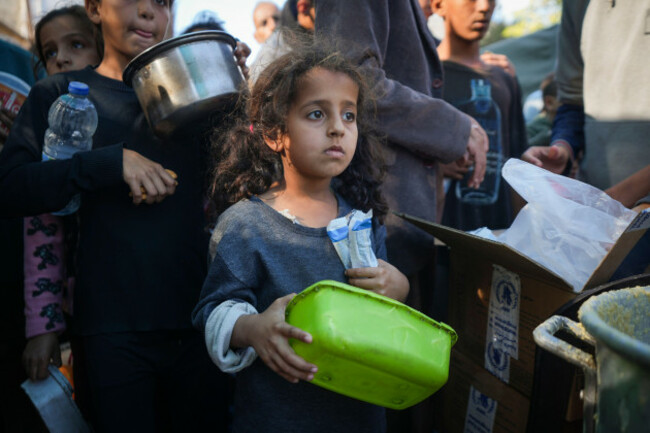
The loss of parents and breadwinners can narrow girls’ choices further. One woman in Gaza City told researchers she had attended the weddings of two girls in her extended family, aged 14 and 15, after both their parents were killed. Their uncles, who had become responsible for them, married them off because they wanted to be relieved of the responsibility and expense, she said.
“They don’t understand what marriage or life is,” the woman said. “If their parents were alive, they might not have married them off so young.”
Emergency court records provide one indication: at least 400 girls aged 14 to 16 were granted permission to marry in just four months of 2025, according to records reviewed by UNFPA partner organisations. The true scale is difficult to establish because some wartime marriages are not formally registered until services resume, a girl reaches legal age or becomes pregnant.
War has not only made families poorer; Dina believes it has also made marriage cheaper. Before the war, a groom was expected to shoulder the costs of a wedding celebration, furniture and setting up a home. Displacement has stripped many of those expectations away. Couples can marry in a tent, without a hall or a furnished home, lowering the financial threshold for young men who might previously have postponed marriage.
“There is no bedroom set, no house and no wedding hall, it is just a tent,” Dina said.
“That is why young men are marrying now.”
For her, reopening Gaza’s schools and universities would therefore mean more than restoring education. It could restore an alternative to marriage.
“If schools and universities return, minds will open again,” she said.
“Before the war, families wanted their daughters to study. The war forced them to change.”
For some families, marriage has come to represent something else: a possible way out of Gaza.
Mona (54) lives with her children in a tent west of Gaza City after her husband was killed in the war. Recently, a relative who moved to Belgium years ago proposed marrying her eldest daughter, 21.
He is 52 – almost exactly Mona’s age.
Under different circumstances, Mona said, she would not have considered the match. But she saw in it a rare chance for her daughter to leave Gaza — and hoped that, eventually, it might open a path for the rest of the family to follow.
She was torn between the age gap and what she saw around her: displacement, poverty and life in a tent. She wanted, she said, to preserve what remained of her daughters’ dignity.
But her daughter refused.
The disagreement divided the family until relatives intervened. Mona ultimately accepted that she could not force her daughter to marry. Her daughter told her she would rather try to find work — or wait for a husband closer to her own age.
For Mona, it was a marriage she would once have rejected. War had made it look like an opportunity.
For families displaced into tents, early marriage is not driven by poverty alone, said Walaa Hijazi, a psychologist with Dar Al-Rahma, which supports orphaned children and those who have lost family care in Gaza.
With privacy and family protection eroded by displacement, some parents increasingly see a husband as a form of protection — particularly for girls who have lost a father or both parents. “She needs someone to be responsible for her, and suddenly, she is expected to become responsible for a family,” Hijazi said.
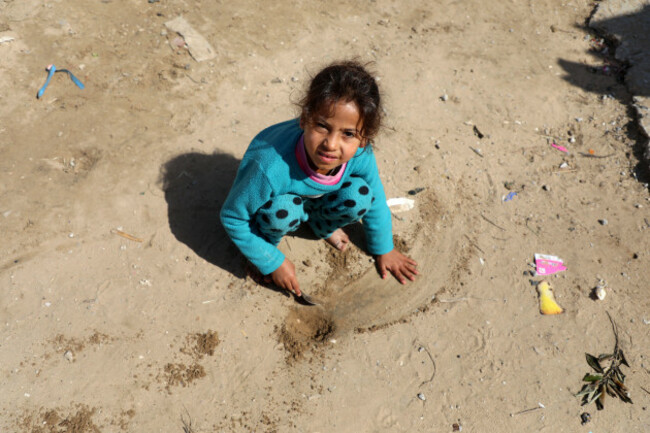
That pressure is unfolding as Gaza’s wider protection system has been severely disrupted. Unicef says destruction of civilian infrastructure and movement restrictions continue to limit access to protection services, while routine monitoring systems have also been disrupted. UNFPA says organisations are still providing case management, shelters and safe spaces, but under immense operational constraints.
War has also made marriage cheaper, Hijazi said. Weddings are simpler, expectations have fallen and couples may marry without the home, furniture and celebrations once expected — even when young husbands themselves have little means to support a family.
Hijazi fears the consequences will outlast the war. Girls are entering marriage with little preparation for their rights, pregnancy or parenthood after years of disrupted education, hunger and psychological strain.
“The caregivers themselves need care,” she said.
The legality of a marriage should not be confused with whether a girl is still a child, said Hanadi Salah, a human rights lawyer and legal officer at Atfaluna Society for Deaf Children in Gaza, who has worked on women’s and children’s rights.
Palestinian child law generally defines anyone under 18 as a child, Salah said, in line with the UN Convention on the Rights of the Child. Internationally, a marriage involving anyone under 18 is considered child marriage.
“A marriage contract does not erase the fact of her age or the protection she is entitled to as a child,” Salah said.
For Salah, that distinction is even more important in wartime. A girl who is 16 today was around 13 when the war began, meaning some of the most formative years of her adolescence have been spent amid displacement, disrupted education, insecurity and the breakdown of ordinary protection systems.
“The difference is significant between reaching the age of 16 and having the maturity, independence and capacity that society may assume when it pushes a girl at that age into marriage, and then pregnancy and motherhood,” she said.
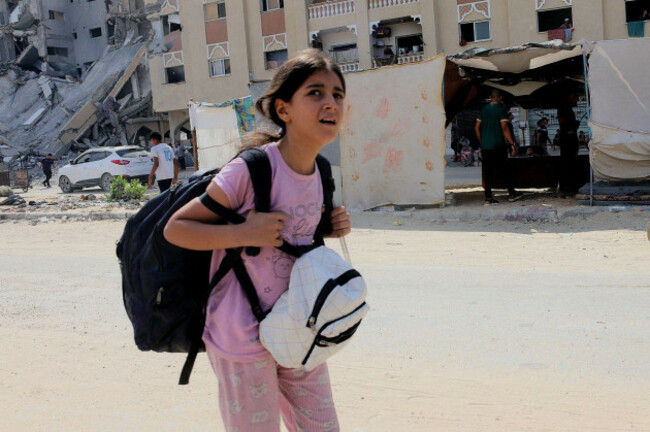
Physical maturity, Salah added, is not the same as psychological readiness or free consent — particularly when poverty, displacement and the loss of a breadwinner leave girls with fewer meaningful alternatives.
“She may move within months from being a child who needs protection to a wife and mother responsible for another child,” she said.
Gaza’s devastated education system has meanwhile left around 700,000 school-aged children without normal schooling, removing what Dina sees as one of the strongest alternatives to early marriage.
Before the war, she said, families around her wanted their daughters to finish school and often university before considering marriage. Reopening classrooms, for her, would therefore mean more than restoring education. It could restore another future for girls.
“If schools and universities return, minds will open again,” Dina said. “Before the war, families wanted their daughters to study. The war forced them to change.”
To embed this post, copy the code below on your site












have your say