Sign in. It’s quick, free and it’s up to you.
An account is an optional way to support the work we do. Find out more.
Sign in. It’s quick, free and it’s up to you.
An account is an optional way to support the work we do. Find out more.

IT’S A DAY of rest, and you may be in the mood for a quiet corner and a comfy chair.
We’ve hand-picked some of the week’s best reads for you to savour.

At least five women have taken lawsuits over campaigns they say were designed to ruin their reputations, including Blake Lively. The New York Times has taken a deep dive into the allegations.
(The New York Times, approx. 17 mins reading time)
“While the lawsuits differ, they all claim the smear campaigns were carried out through anonymous websites, fabricated social media posts or promotion of unflattering articles and posts on the internet. They describe a new lane in the field of crisis management where public relations, legal services and the dark web converge.”

In the 1940s a huge facility – called the School of Dogs – was set up to study dogs as part of a mission to create a ‘super dog’.
(BBC, approx. eight mins reading time)
“World War Two had just ended, and a golden age for science in the US was beginning, with sizeable chunks of money funnelled into research. Scientists were free to think big, and large wads of cash were signed over without too many questions.”
Author Philip Duch believes that the leading theories explaining the rise of the Nazis don’t make sense.
(The Guardian, approx. xx mins reading time)
“It’s hard to admit this from a modern perspective, but historical fascism’s lust for violence didn’t make it repulsive but extremely attractive to a lot of German voters. And we are seeing similar things with the AfD today, where fantasies of violent retribution seem to be integral to campaign events on market squares.”
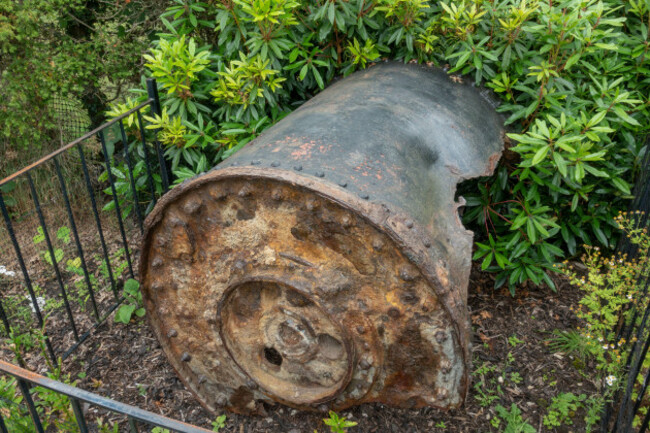
The Guardian spoke to two bomb disposal teams who were tasked with defusing two World War Two bombs in Devon on the same day.
(The Guardian, approx. 25 mins reading time)
“When most people think of bomb disposal, they imagine a lone figure in a bomb suit carefully approaching an improvised device as bullets fly overhead, holding steady as they unpick wires, knowing that one wrong move will kill them. This image was forged in Belfast during the Troubles and Helmand province during the invasion of Afghanistan, and it is not unwarranted; bomb disposal is commonly described as the most dangerous job in the military. But, in Britain in 2026, the daily reality of the job is quite different.”
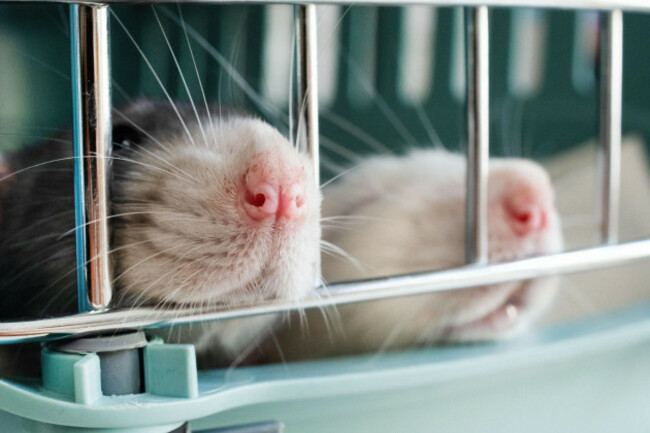
The Journal Investigates has revealed that Irish universities paid hundreds of thousands for invasive animal experiments abroad.
(The Journal, approx. 12 mins reading time)
“In one outsourced study, carried out in the US, mice had folds of skin repeatedly compressed between magnets. In others, sheep had their ovaries removed, rabbits had veins in their eyes deliberately blocked and chinchillas had their eardrums perforated.”

The world’s population of Gentoo penguins is increasing. Why? Partly because of climate change.
(BBC, approx. four mins reading time)
“These three penguins have hauled themselves out of the sea to warm themselves with Deception Island’s volcanic heat. The island is, in fact, an active volcano, and the water inside this doughnut-shaped sliver of land is a flooded caldera. Rusting oil tanks – remains of the whaling industry that dominated the island in the early 20th century – give the penguins further shelter from the wind.”

This New York Times article from 2021 looks into languishing – or the feeling of ‘blah’ – when you’re not depressed, but you don’t have much joy either.
(The New York Times, approx. eight mins reading time)
“Languishing is a sense of stagnation and emptiness. It feels as if you’re muddling through your days, looking at your life through a foggy windshield. And it might be the dominant emotion of 2021.”

To embed this post, copy the code below on your site











have your say