Sign in. It’s quick, free and it’s up to you.
An account is an optional way to support the work we do. Find out more.
Sign in. It’s quick, free and it’s up to you.
An account is an optional way to support the work we do. Find out more.
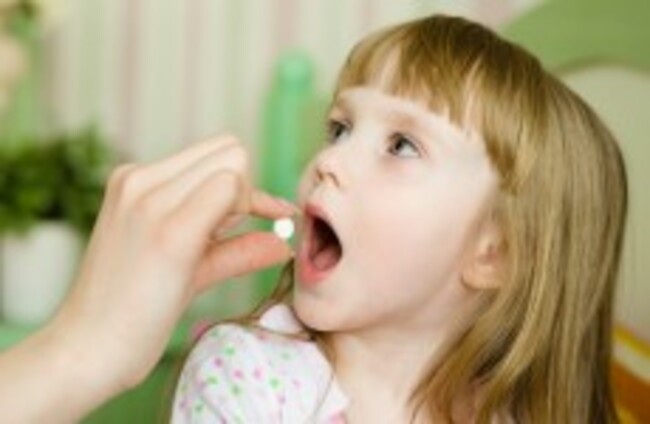
BABIES WHO ARE given antibiotics before their first birthday could be at an increased risk of developing asthma, according to new research by doctors.
However it’s not the antibiotics themselves which increase the risk of asthma, as was previously thought.
Instead, it’s down to an impaired immunity against viruses and problems with a chromosome that mean children are at increased risk of using antibiotics and then developing asthma.
The study also found that there is no link between babies using antibiotics and the development of allergies, which has been the cause of much speculation.
The researchers looked at data which followed more than one thousand children from birth to 11 years and used information on antibiotic prescriptions, wheezes and asthma exacerbation from medical records.
It found that children with wheezing who were treated with an antibiotic in the first year of their life were more than twice as likely as untreated children to experience problems breathing and be hospitalised for asthma.
The lead author of the study, which is published in The Lancet Respiratory Medicine journal today, said that “hidden factors” which increase the likelihood of both antibiotic prescription in early life and subsequent asthma are an increased susceptibility to viral infections.
“However, further studies will be needed to confirm that the impaired immunity was present at the time of the early childhood respiratory symptoms and predated antibiotic prescribing rather than as a consequence of antibiotics,” said Professor Adnan Custovic from the University of Manchester in the UK.

To embed this post, copy the code below on your site












have your say