Sign in. It’s quick, free and it’s up to you.
An account is an optional way to support the work we do. Find out more.
Sign in. It’s quick, free and it’s up to you.
An account is an optional way to support the work we do. Find out more.
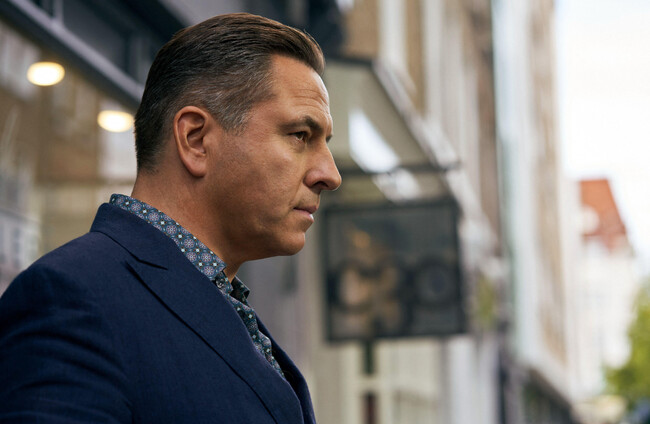
REPORTS OF ATTEMPTS to silence victims through threats and non-disclosure agreements (NDAs) have come to light in the aftermath of the bombshell investigation into David Walliams.
The entertainer’s alleged dealings with teenagers and young women were detailed in a long-awaited report by The Guardian and ITV News.
One alleged victim they spoke to told of a threatening letter she received from Walliams’ lawyers that warned her not to speak of her experience with him or there would be legal repercussions.
The investigation was published after a failed High Court injunction that would have prevented the allegations, which Walliams denies, being reported.
His lawyers argued that their publication may lead him to take his own life. But the judge said he had to balance this risk with the media’s right to freedom of expression.
In an interview with Sky News earlier this week, comedian Lucy Beaumont said that while she has not worked with Walliams herself, she had heard that young women were brought to his dressing room.
“About three years ago a young person – it was their first job on TV – worked on a show [Walliams] was on,” Beaumont said.
“The next show they worked on was with me, and they took me aside and said, ‘I need to tell somebody something’.”
She said the young male staffer confided in her about Walliams’ “conduct”, which he was “really worried about”.
A TV worker confided in comedian Lucy Beaumont that he was asked to take young women to David Walliams' dressing room, she tells @CathyNewman. Beaumont says she later found one of the women and offered help. Sky News has contacted Walliams' representatives about this allegation. https://t.co/sOEbHAqUs7
— Sky News (@SkyNews) November 10, 2026
His job “was to take young girls … to Walliams’s dressing room”, Beaumont said.
He “didn’t think that they were children” but rather young women over the age of 16.
Beaumont was particularly concerned about how the teenagers involved were from working-class backgrounds.
“Some of them had never been to London before. They’d never been around TV,” Beaumont said.
“[The staffer] felt they were vulnerable.”
She said she then tried to contact some of the young women who had interacted with Walliams “to ask if they were alright”.
She said that one young woman she spoke to “was in a really bad way”.
“I was really worried she was going to take her own life because of it,” Beaumont said.
Beaumont offered to pay her legal fees “to try and get her some protection”. However, she discovered that the young woman had signed a non-disclosure agreement.
“The NDA wasn’t just about (that) she couldn’t talk to the media. It’s that she couldn’t talk to family or friends or a therapist,” Beaumont said.
The Journal has contacted a representative for Walliams regarding these allegations.
Earlier this week, Walliams denied abusing his power as a celebrity in relationships with women but said he realised he had “behaved thoughtlessly” at times.
In a personal letter written to Guardian and ITV News journalists denying the allegations the comedian said: “Looking back, I realise that at times I behaved thoughtlessly towards other people I had casual sexual relationships with… I realise I did not always take people’s feelings properly into account. That is something I regret.
“And whilst a power imbalance is inevitable when one party is famous, abusing that power is something else entirely and it is something that I never did…
“I am not a sexual predator… I have not broken the law… I am devastated that some of the women I met ten to twenty years ago have now expressed hurt or anger towards me.”
One woman who spoke to The Guardian said that in 2016, when she was 18 years old, she met Walliams at a Britain’s Got Talent recording. He was a judge on the show for a decade.
She and a friend subsequently spent an evening at Walliams’ home, where he allegedly tried to kiss her while she was drunk. He was 44 at the time.
The woman said, looking back, she found the interaction “uncomfortable”.
Walliams’ lawyer told The Guardian that he had no sexual contact with the woman who spoke to the newspaper, and did not force himself on her.
Eight months after the incident, the other young woman received a letter from Schillings, a high-profile law firm acting on Walliams’ behalf.
She had told other young women whom she met backstage at Britain’s Got Talent about her experience with him.
The letter from his lawyers reportedly said: “You are at a significant risk of committing a serious civil offence should you disclose, to the press or any other third party, private information or purported private information concerning our client.”
The lawyers demanded a written undertaking within 24 hours that the woman would not talk about her experience with Walliams.
The Journal asked Schillings about the letter, but they said they will not issue a statement.
However, in correspondence with The Guardian, the firm said they had been instructed to write the letter as they had understood that the woman was going to “sell her story”, which Walliams believed was “an untruthful account”.
The young woman, who was 19 then, said she was shaken by the letter.
Zelda Perkins, Harvey Weinstein’s former assistant who witnessed him trying to rape her colleague, broke her NDA in 2017 to share the story.
She has since campaigned to free victims and witnesses of sexual violence from these agreements so that the truth can come out.
Perkins told ABC News Australia that she is not seeking to ban NDAs, but rather stop them being used “against people who have been abused”.
Government ministers in the UK are now looking at ways to stop NDAs covering up such cases.

To embed this post, copy the code below on your site











have your say