Sign in. It’s quick, free and it’s up to you.
An account is an optional way to support the work we do. Find out more.
Sign in. It’s quick, free and it’s up to you.
An account is an optional way to support the work we do. Find out more.
TDS AND SENATORS have had dozens of print jobs refused by the Oireachtas over the last few years.
Politicians at Leinster House are entitled to have tens of thousands of items printed for free every year to help promote their work.
However, a strict policy is in place that covers only “parliamentary duties” and not material related to elections, political parties, or fellow candidates.
Between 2022 and 2024, a total of 125 print jobs were rejected by the Oireachtas for a variety of different reasons.
Records released under FOI show that Fianna Fáil were behind more than half the refused batches – 67 in total.
Fine Gael had 22 print jobs refused, Labour 11 and Sinn Féin 8; there were also lower numbers recorded for other smaller groupings or Independents.
High-profile political figures were among those who had printing rejected with three jobs refused for Public Expenditure Minister Jack Chambers.
Little detail was provided on the reasons why, with Oireachtas records simply saying they were not in line with the “service level agreement.”
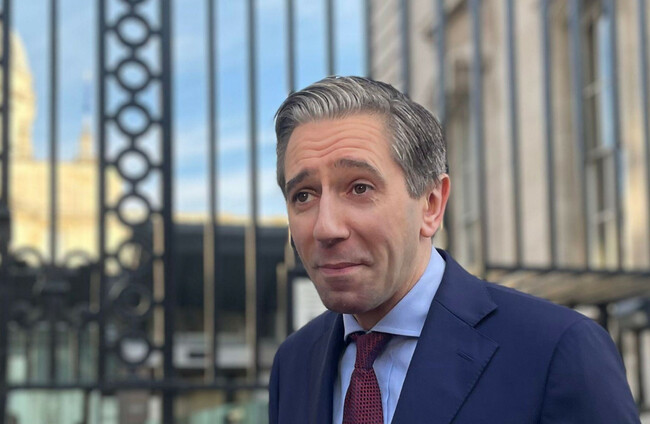
Both Tánaiste Simon Harris and Justice Minister Jim O’Callaghan had a single print job refused.
Harris’ 2,000-page-print job was rejected as outside the bounds of the “service level agreement” while Mr O’Callaghan’s newsletter was declined due to “overtelectioneering.”
Former Taoiseach Leo Varadkar also had a 5,000-batch constituency update refused during 2023 – it was simply marked “rejected” in the Oireachtas files with no further information provided.
There were other reasons for refusal too with one newsletter denied because it breached rules about the promotion of a business.
A note said this was based on: “Material which is or could be construed as being related to or promoting a private commercial endeavour, for example a newsletter which promotes, whether directly or indirectly, a company, business or product.”
Another was refused because it was considered to be promotion of a political party.
It said that was covered by rules covering a ban on “political party/independent members’ corporate material e.g. headquarter type printing, such as application forms for party membership; material which is either directly or indirectly aimed at party fundraising; information notes to party members.”
Other jobs were rejected for more banal reasons including faulty file types, defective documents, and one case where a senator exceeded their monthly printing allowance.
One job for a batch of 1,500 printed leaflets was refused because it contained information on an upcoming referendum.
A note on the file said: “It is the responsibility of the members and qualifying political parties to ensure that items printed in the printing facility that could be said to be designed to influence voters on how to vote in a Referendum are not distributed after the passage of a [bill].”
Fianna Fáil’s John Lahart, who had four separate jobs refused, said: “I don’t remember the specific ones offhand, but it often relates to materials about councillors.
“We have had generic material sent back and generally where that might be about the Fianna Fáil team in our area and they would have come back and said that wasn’t allowed.”
Under Leinster House’s printing policy, jobs can also be declined where they have information that could be considered a crime or encouraging others to commit a crime.
However, there were no refusals under that section according to the documents that were released.
Asked about the records, the Oireachtas said it had no further comment to make.
To embed this post, copy the code below on your site










have your say