Sign in. It’s quick, free and it’s up to you.
An account is an optional way to support the work we do. Find out more.
Sign in. It’s quick, free and it’s up to you.
An account is an optional way to support the work we do. Find out more.
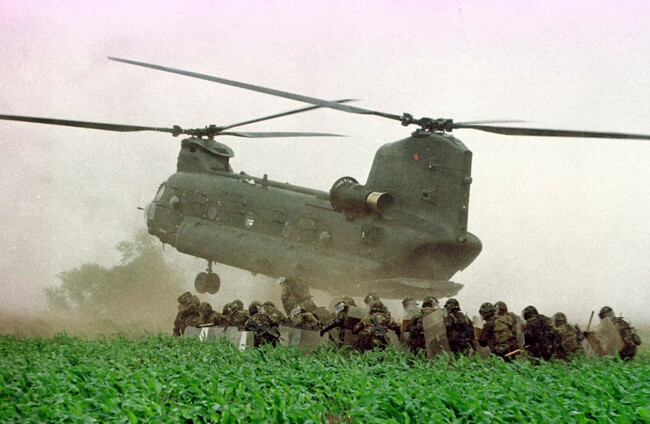
SOME HAVE LIKENED the events of the past few days around the Garvaghy Road and Drumcree Church to going back in time.
In 1998, the newly created Parades Commission banned the Portadown Orange Lodge from marching to Drumcree Church and returning via the now nationalist Garvaghy Road.
For most, the Drumcree dispute seemed to have been consigned to history and there has been no march down the Garvaghy Road in close to 30 years.
However, nearly every Sunday since June 1998, the Orange Order has been applying to the Parades Commission to complete its march down the Garvaghy Road.
Last week, it was granted permission for a scaled down march after the High Court in Belfast deemed that the Parades Commission had erred in its decision-making on the application.
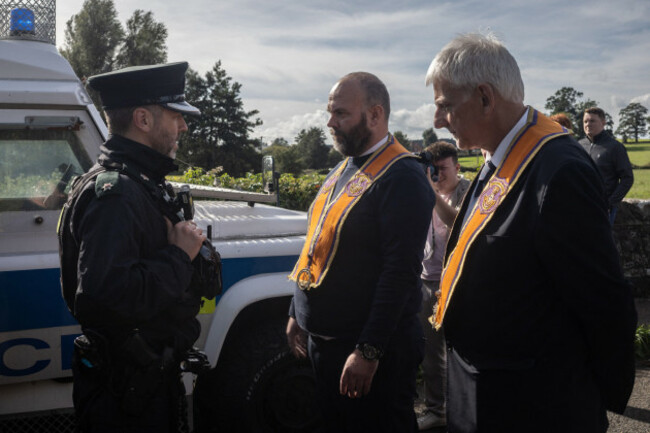
Since that decision, nationalists have warned that old wounds and past traumas will be reopened. Others also worry that a new generation might face renewed traumas.
A number of people were killed during tensions in the 90s linked to the dispute, with many nationalists putting the total figure of those killed – either in directly or indirectly-related violence – at 21.
Here are the events that made the march such a flashpoint in the 90s.
In 1998, the Parades Commission was founded because there was a consensus that an independent body was needed to decide upon controversial parades.
The Commission would be responsible for making decisions on whether parades should be allowed, re-routed, or banned.
One of its early decisions was that the Drumcree parade would be re-routed so that it wouldn’t pass down the Garvaghy Road.
Over the previous three years, the Drumcree parade had resulted in violent clashes and necessitated a major security operation.
In response to the 1998 decision, the Orange Order said it remained committed to marching down the Garvaghy Road, and it was blocked by a police barricade from doing so.
As a result, rioting erupted in some loyalist areas and a number of roads were blocked.
Many Catholic-owned homes across the North were also targeted and over 630 petrol bombs were thrown in the 10 days after the Orange Order was blocked from the Garvaghy Road.
One of these petrol bombs was thrown into the home of the Quinn family in Ballymoney, Co Antrim during the early hours of 12 July 1998.
Three boys – Jason (7), Mark (9), and Richard (11) – were asleep in their beds when the petrol bomb was thrown through a window in their house, some 100 kilometres from Portadown.
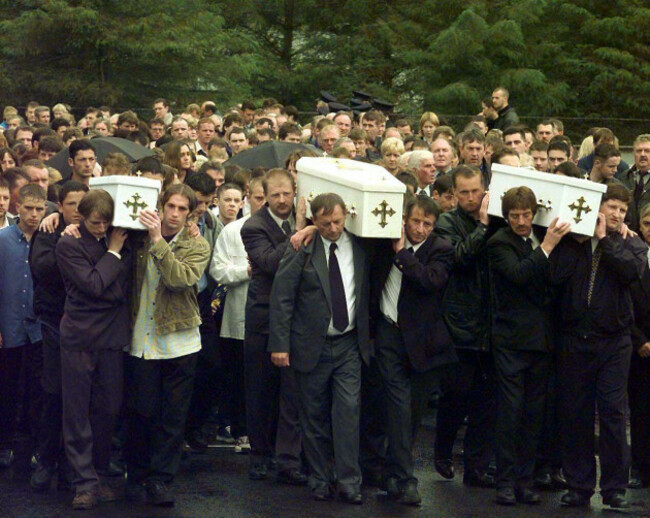
The Quinns were Catholics living in a predominately Protestant area. Their mother and her partner, and a friend escaped with minor physical injuries.
The deaths of the three young boys provoked widespread anger and the Orange Order in Portadown was implored to call off their protest.
The Orange Order’s Co Armagh chaplain at the time, Reverend William Bingham, called for the protest at Drumcree to come to an end and remarked: “No road is worth a life, let alone the lives of three little boys.”
However, the Orange Order in Portadown voted to continue their stand-off at Drumcree Church, though the number of protesters dwindled.
In the days following the deaths of the Quinn boys, police searched the fields around Drumcree Church and uncovered a number of loyalist weapons, including a machine gun, explosive devices, and crossbows with home-made explosive devices.
The Garvaghy Road had been used as part of the Orange Order’s march from Drumcree Church since 1807.
While there was an explosion of violence in 1998, with some 615 attacks on security forces and over 140 homes damaged, there had been previous flashpoints on the Garvaghy Road in the late 80s.
However, it became a more serious issue in 1995.
This year saw the formation of the Garvaghy Road Residents Coalition.
Its aim was to re-route the marches away from the Garvaghy Road through peaceful means.
The first chair stepped away due to threats from loyalist paramilitaries, with Brendán Mac Cionnaith then taking up the role. He remains in this role today.
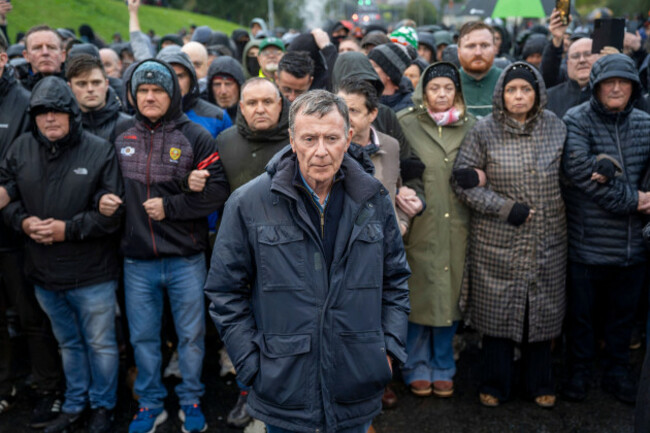
On Sunday 9 July 1995, police prevented the Orange Order from marching down the Garvaghy Road due to a sit-down protest from residents.
The Orange Order refused to be diverted and the following day, there was rioting in Drumcree, as well as in other loyalist areas.
On the morning of Tuesday 11 July 1995, a compromise was reached with mediators for the Orange Order to proceed along the Garvaghy Road without any bands.
Nationalists on the Garvaghy Road who had been sitting on the road moved to the footpath to allow the march to proceed.
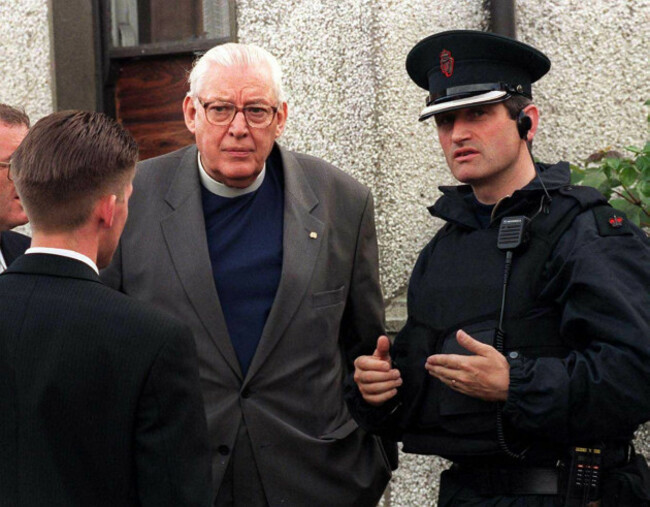
David Trimble and Ian Paisley – the then-leaders of the UUP and DUP – were at the front of the march and as it reached the end of the Garvaghy Road, they held their hands in the air, a gesture which angered the residents of the Garvaghy Road.
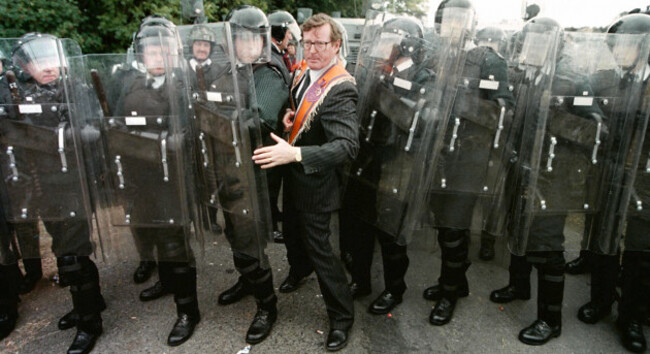
The following year, in 1996, the RUC said that the parade would be banned from the Garvaghy Road.
The Orange Order nevertheless attempted to march down the road and said that they would make no compromise.
Thousands gathered at the police line and there was yet more rioting throughout the North.
Around a thousand British soldiers were sent to Northern Ireland to quell the violence but by 10 July 1996, around 10,000 had gathered at Drumcree.
During the stand-off and ensuing violence, Michael McGoldrick, a 31-year-old taxi driver, was lured to his death by loyalist paramilitaries.
On 11 July 1996, the RUC chief constable Ronnie Flanagan then reversed his decision and allowed the march to proceed down the Garvaghy Road.
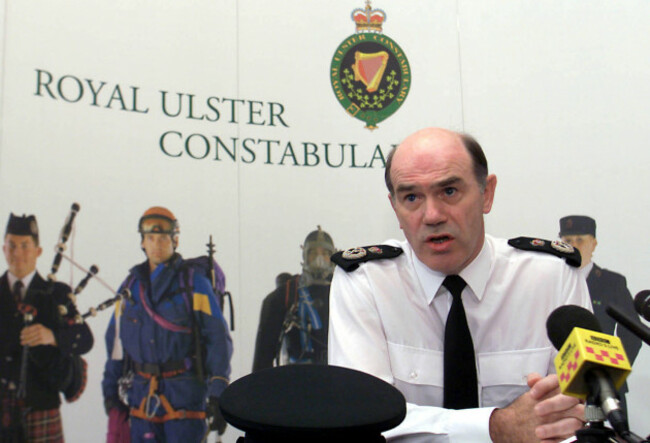
Residents had not been consulted on this and rioting erupted in nationalist areas.
During this period, the RUC fired over 6,000 plastic bullets, 5,000 of which were directed at nationalists.
More trouble followed in 1997, which was the last time the parade went down the Garvaghy Road.
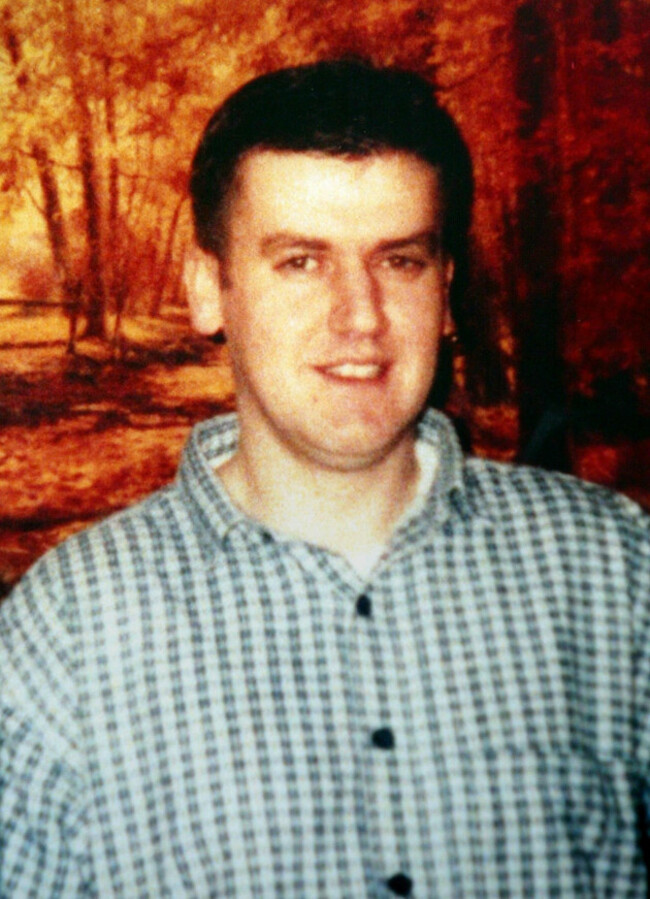
In the weeks running up to the parade, Robert Hamill, a 25-year-old Catholic, was killed by a group of loyalists on Portadown’s main street.
A decision meanwhile on whether the parade would be allowed down the Garvaghy Road was delayed until the eleventh hour.
In the early hours of Sunday 6 July, around 1,500 soldiers and police officers moved onto the Garvaghy Road and sealed off the area, though hundreds of residents managed to break through and stage a sit-down protest.
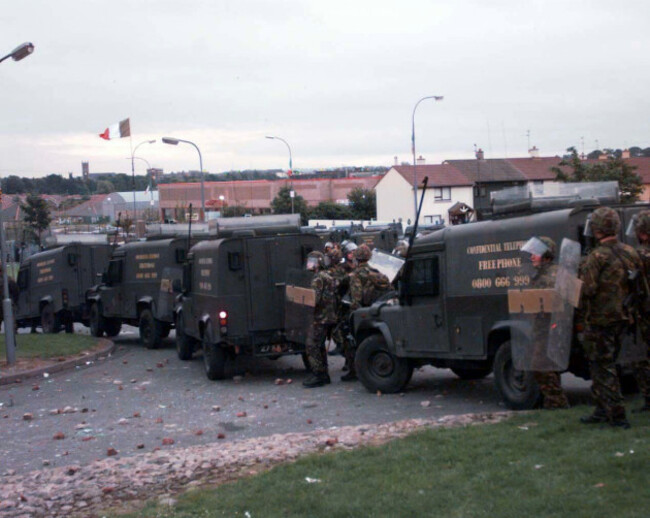
They were forcibly removed by the RUC, and residents then retaliated by throwing stones and petrol bombs at officers.
Meanwhile, Rosemary Nelson, a human rights lawyer and the legal adviser to the Garvaghy Road residents, was physically and verbally attacked by the police.
Two years later, Nelson was killed by a car bomb planted by loyalists outside her home in Lurgan, Co Armagh.
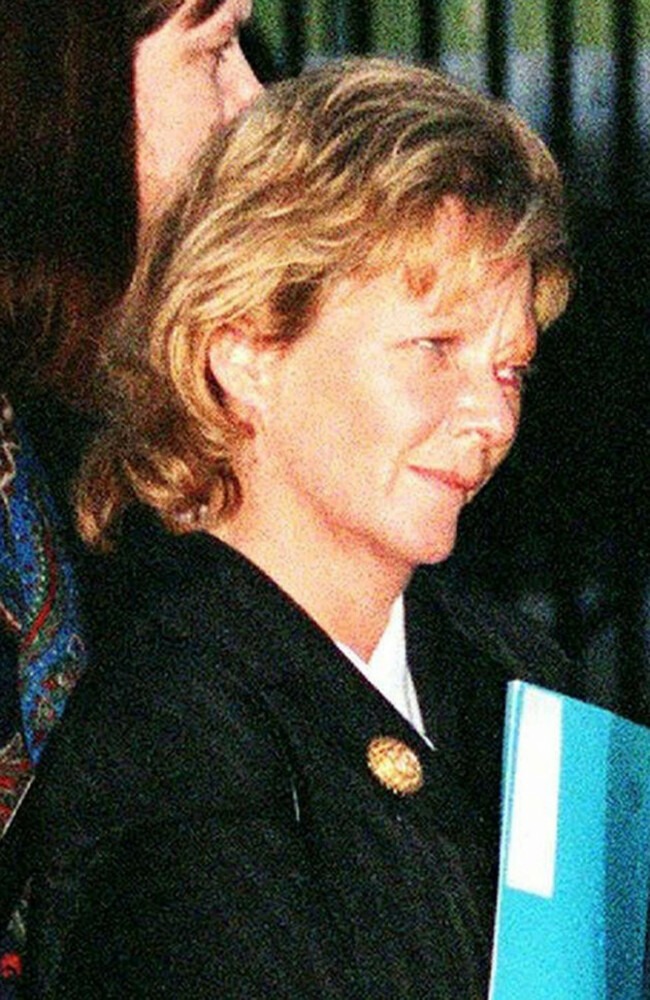
Her son, Christopher Nelson, posted a video this week in which he said that he has “no doubt” that his mother’s support of the Garvaghy Road residents is one of the reasons she was killed.
Christopher said that as a child, he was always fearful when his mother went to stand with residents on the Garvaghy Road.
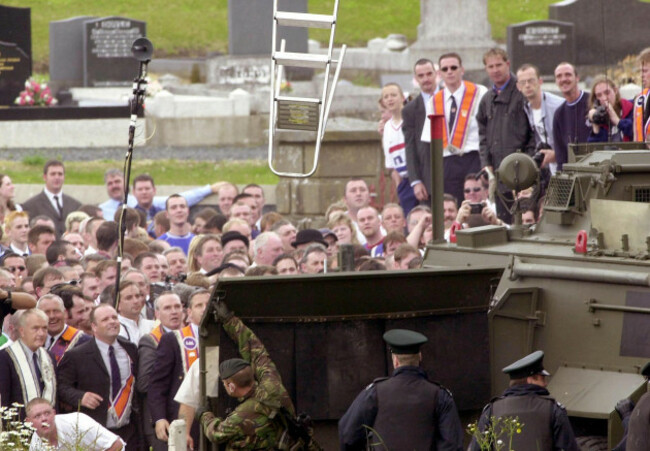
Meanwhile, local residents in 1997 were prevented from getting to Sunday Mass as a result and an open-air Mass was celebrated in front of a line of soldiers and army vehicles.
At around 12pm, the Orange Order marched down the Garvaghy Road, and a riot ensued once the parade had passed.
This spread to other areas of Northern Ireland and over 160 people were injured over the following days, including 60 police officers.
The RUC’s chief constable later said he recommended that the parade pass down the Garvaghy Road due to threats to Catholics from loyalist paramilitaries.
The following year, on 5 July 1998, the Orange Order would be prevented from marching down the Garvaghy Road.
The annual standoffs from the Orange Order continued, with thousands trying to again proceed down the Garvaghy Road in 1999 and there was further rioting in 2000, with over 300 petrol bombings and 330 attacks on security forces.
But while the issue faded into view for most since the turn of the millennium, it hasn’t for the Portadown Orange Order.
It has been trying to march down the road since 1998 and has submitted over 1,300 applications to the Parades Commission to do just that.
In 2023, 25 years on from the re-routed 1998 march, the Portadown District Lodge said it was as “determined today as it was on 5 July 1998 to complete our return parade via the Garvaghy Road”.
Last week, after a ruling from the Parades Commission, it was granted permission for a scaled-back return march for the first time in close to 30 years.
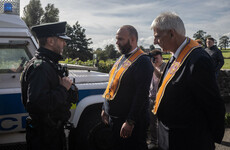
That march was due to end by 9.30am on Sunday and members of the Orange Order remain at Drumcree Church, seeking permission from the PSNI to bring the parade “down its ‘traditional’ route of via the Garvaghy Road”.

To embed this post, copy the code below on your site









have your say