Sign in. It’s quick, free and it’s up to you.
An account is an optional way to support the work we do. Find out more.
Sign in. It’s quick, free and it’s up to you.
An account is an optional way to support the work we do. Find out more.
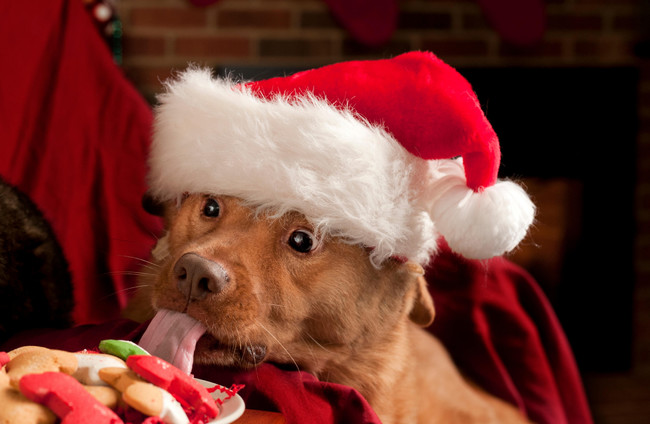
AS CHRISTMAS DAY is upon us, the Dublin Society for the Protection of Cruelty to Animals (DSPCA) has issued some festive advice to keep your dogs and cats safe at home over the busy holiday.
With a busy day of food preparation and social gatherings planned for many pet owners, the DSPCA has warned that it is essential to be aware of which Christmas treats pose a danger to pets, as certain holiday foods are toxic to both dogs and cats.
DSPCA Director of Communications Suzanne McGovern has said that the list of Christmas foods which can pose a risk to pets is “longer than you would expect”.
McGovern specifically pointed out raisins and grapes – common ingredients in Christmas puddings, cakes, and other festive treats – as they can cause kidney failure in pets.
“The key things to look out for are grapes, raisins, Christmas pudding, Christmas cake – anything that contains raisins – chocolates, and of course, any kind of alcohol,” McGovern said.
“Onions and garlic, often found in savoury dishes or sauces, can also be toxic to pets, even in small amounts,” McGovern added.
Cats are particularly sensitive to some of these foods too. In addition to chocolate and grapes, McGovern cautioned against feeding them dairy products.
For pet owners, the best practice is to ensure that all food items are kept securely out of reach.
“It’s best to store food up high and keep everything safe and secure in the house,” McGovern said.
This is especially important during festive dinners, where plates may be left unattended or pets may beg for scraps.
McGovern also warned that pets may take an interest in a toy long after a child has discarded it. Small parts can be swallowed and cause stomach issues later, even if it is not food.
Beyond food, the holiday season also sees a spike in lost pets.
With doors frequently opening and closing and increased foot traffic, pets – especially dogs – may become stressed and attempt to escape.
“A lot of dogs go missing during the Christmas period,” McGovern said.
“Please ensure your dog is microchipped and that it’s registered to you as the owner. Always have a tag around their collar too, as it makes it much easier to reunite them if they go missing.”
The DSPCA has also urged new pet owners to take care with puppies, and encouraged people to book their dogs in for training courses.

To embed this post, copy the code below on your site












have your say