Sign in. It’s quick, free and it’s up to you.
An account is an optional way to support the work we do. Find out more.
Sign in. It’s quick, free and it’s up to you.
An account is an optional way to support the work we do. Find out more.
IT WAS ON this day 40 years ago that a Dutch concentration camp survivor was freed after being held captive by the IRA for 36 days.
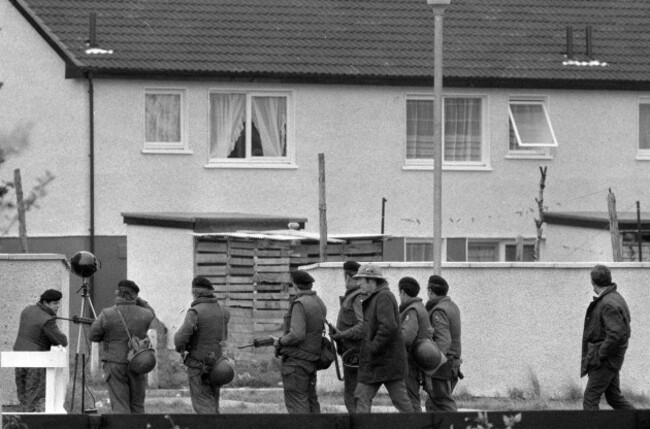
This included an 18 day period when Tiede Herrema and his captors were under siege at a council house in Monasterevin, Co Kildare.
Herrema had been kidnapped while on his way to work in the Ferenka factory in Ballyvarra, Co Limerick.
Prior to his location being traced to the house in Kildare, there was much fear that the industrialist had been killed by his captors.
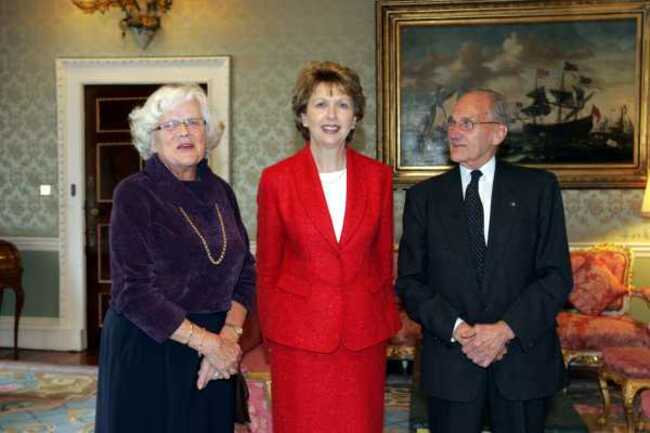
He had been taken captive by Provisional IRA members Marion Coyle and Eddie Gallagher who planned to demand the release of three republican prisoners who had been imprisoned in Limerick.
Quickly it became apparent to the pair that they were in out of their depth.
The authorities refused to agree with their request for the releases and, after their location was discovered, they found themselves under siege in a single room of a house without facilities.
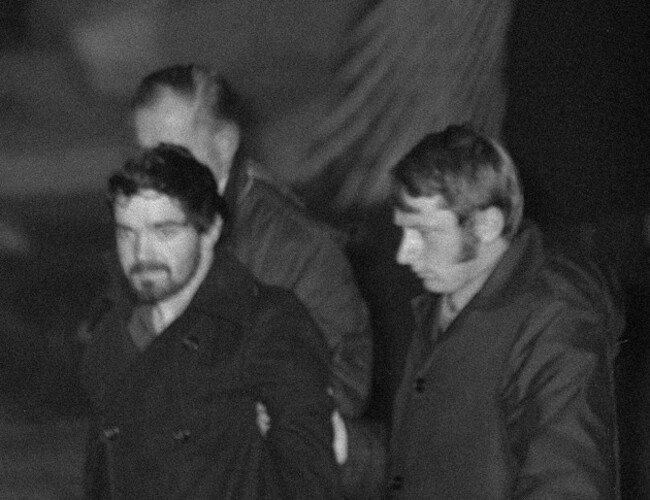
The siege eventually came to an end when conditions deteriorated.
Gallagher eventually began to show severe signs of sickness from the conditions, and the pair tossed their guns out the window of the building, bringing the ordeal to an end.
Gallagher went on to serve 14 years of a 20-year sentence in prison with Coyle serving 9 years of a 15 year sentence.
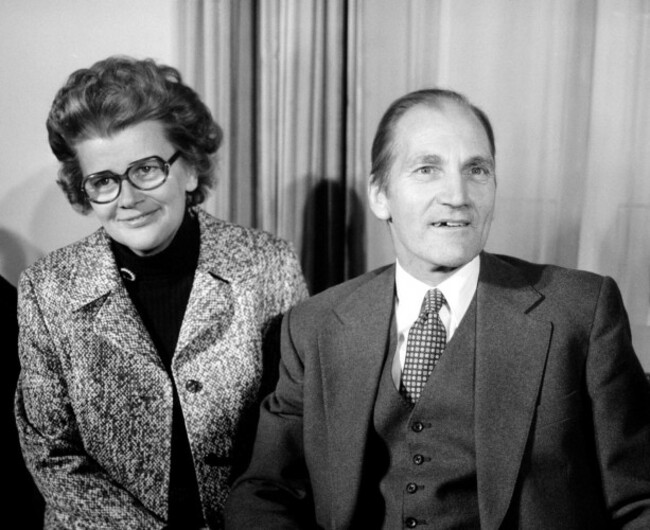
At a press conference in Dublin following his release Herrema had with him a bullet that had been held to his head by Gallagher – something that had been given to him a souvenir.
Speaking to the Irish Times last month, Herrema talked about how his time in a concentration camp during the second world war had prepared him for what happened.
In his early 20s at the time, he had been arrested while serving the Dutch resistance.
Herrema went on to become a notable figure following the incident, mostly due to the attitude he held about his kidnappers.
Following his release, Herrema expressed no grievances, saying: “I see them as children with a lot of problems. If they were my own children I would do my utmost to help them.”

To embed this post, copy the code below on your site











have your say