Sign in. It’s quick, free and it’s up to you.
An account is an optional way to support the work we do. Find out more.
Sign in. It’s quick, free and it’s up to you.
An account is an optional way to support the work we do. Find out more.
AN AGREEMENT HAS been reached between the Council of the European Union and the EU Parliament on the bloc’s annual budget for 2027.
It’s the seventh and final annual budget of the current multiannual financial framework (MFF). It amounts to €199.7 billion in total commitments and €211.5 billion in total payments.
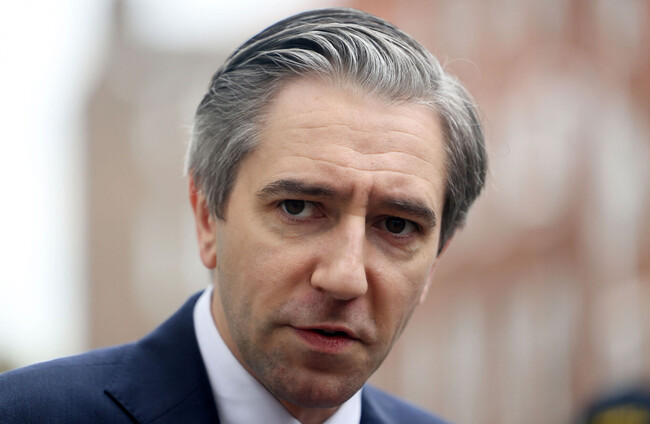
Tánaiste Simon Harris served as the chief Council negotiator.
Both the council and the parliament must formally approve the budget agreement within 14 days so that it can be adopted.
The EU Council said that the agreement safeguards the EU’s ability to cope with “ongoing crises and challenges”, such as those in Ukraine and the Middle East. It will also allow for the EU to deal with “unforeseen circumstances”.
Just over €700 million has been kept available under the MFF expenditure ceilings.
Harris said the budget for 2027 must “strike the right balance”.
It must equip the EU with the “means to act decisively, respond to the needs of its citizens and invest in their future, while avoiding additional burden on national budgets and taxpayers”, he said.
The annual budget comes as negotiations for the next MFF – or seven-year framework for future budgets – continue to struggle on. Led by Ireland, which holds the presidency of the European Council, EU leaders are at odds over levels of spending.
Led by France, a group of countries branded the ‘friends of cohesion’ are pushing for increased spending to promote competitiveness, technology development and investment in defence.
The ‘frugals’, led by Germany, feel differently.
The European Commission proposed an overall budget of close to €2 trillion for the MFF, which would cover 2028 to 2034.
In October, Ireland presented a draft negotiating box for the next MFF that was deemed a “concern”. It had proposed a significant slash in spending compared to the European Commission’s suggestion.
The negotiating box comprised a budget totalling €1.62 trillion, a 30% increase from the current MFF.
“Given the need for a more balanced position on volume, the Irish Presidency has also outlined overall savings of 8% (€141 billion) on the European Commission’s proposal,” the Department of Foreign Affairs and Trade said.

To embed this post, copy the code below on your site












have your say