Sign in. It’s quick, free and it’s up to you.
An account is an optional way to support the work we do. Find out more.
Sign in. It’s quick, free and it’s up to you.
An account is an optional way to support the work we do. Find out more.
EVERY WEEK, WE bring you a round-up of the best longreads of the past seven days in Sitdown Sunday.
Every weeknight, we bring you an evening longread to enjoy which will help you to escape the news cycle.
We’ll be keeping an eye on new longreads and digging back into the archives for some classics.
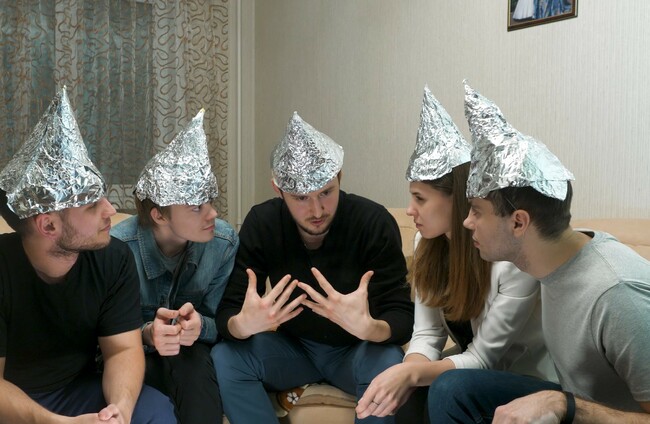
Ellen Cushing talks us through how her teen years saw her being a little obsessed with conspiracy theories.
(The Atlantic, approx 18 mins reading time)
This was Berkeley, California, in the anxious time between September 11 and the start of the Iraq War. The world was full of unseen enemies and ulterior motives. Sidewalk graffiti implored anyone who looked at it to demand the truth about 9/11 and stop chemtrails. The local city council passed a resolution declaring the air overhead a “space-based weapons-free zone.” (This did not affect Pentagon planning, as far as we could tell.) Radio DJs and my friends’ parents would talk vaguely but knowingly about Dick Cheney’s financial interests or the real reasons we were going to war. Long before filter bubbles had a name and a pathology, I lived in one: The government was lying; the elites were consolidating power; the game was rigged; the paranoia was warranted.

To embed this post, copy the code below on your site








have your say