Sign in. It’s quick, free and it’s up to you.
An account is an optional way to support the work we do. Find out more.
Sign in. It’s quick, free and it’s up to you.
An account is an optional way to support the work we do. Find out more.
POLICE IN BELGIUM are warning its citizens not to use Facebook reactions as a way to prevent the service from offering better targeted ads.
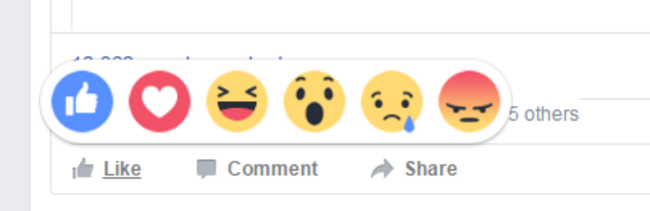
Reactions, which were tested first in Ireland and Spain in October before being rolled out globally, allow users to do more than just like a post.
People can express love, laughter, surprise, sadness and anger to posts, and Belgian police feel they’re being used as a way to determine your mood and serve ads based on it.
The statement claims that if you react with an emotion expressing joy or similar, Facebook and advertisers will have a better idea as to what type of ads you’re more receptive to. It then warns users not to “rush to click if you want to protect your privacy”.
Reactions is still a work in progress for Facebook as it looks for other ways to gauge reaction. While they have been around for a few months now, they make up less than 3% of all user interactions on Facebook, as the vast majority of interactions are still likes.
And the company has already faced resistance from Belgium, with its privacy authorities stopping it from tracking non-users with browser cookies.
The company argued that cookies provided better security for the site’s members by preventing the creation of fake accounts. It was still ordered to stop tracking non-users within 24 hours or face fines of up to €250,000 a day.
It then later objected to the use of English words like “cookie” and “browser” being used in the court order, saying that Belgians may not understand the words.

To embed this post, copy the code below on your site












have your say