Sign in. It’s quick, free and it’s up to you.
An account is an optional way to support the work we do. Find out more.

Sign in. It’s quick, free and it’s up to you.
An account is an optional way to support the work we do. Find out more.
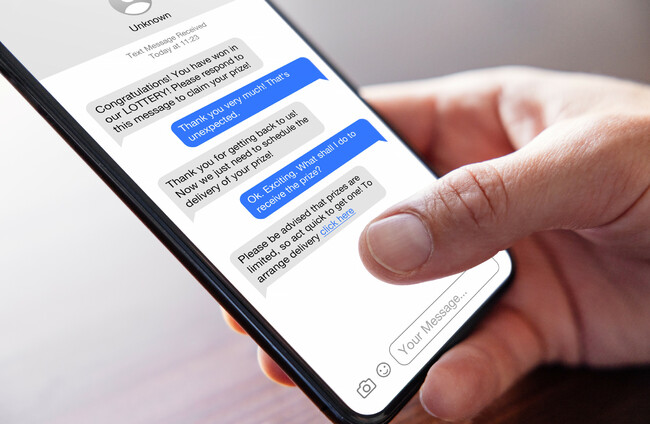

WE ALL LIKE to imagine that we’re too savvy to get fooled by a scam…
We are all increasingly bombarded with messages and information, so we have to keep our wits about us and follow the best advice when it comes to identifying fraudulent behaviour. That could be a fake text message purporting to be from your bank, an email supposedly from Netflix asking for your credit card details, or an online ad for an investment opportunity that sounds too good to be true.
As scams become more advanced, with factors such as generative AI allowing scammers to create increasingly believable online ads and websites, the public at large is at more risk of being defrauded. If you’re spending plenty of time online, you should always bear in mind that there could be a scam waiting for you around the corner.
Staying ahead of the curve when it comes to scams means keeping your guard up when you see a text message, an email, or an online ad. The Competition and Consumer Protection Commission (CCPC) offers many resources to anyone who wants to get a better sense of what to look out for when it comes to scams, as well as advice on what steps you can take if you’re worried that you’ve been scammed.
Some things to watch out for include:
Data shows that there are very few Irish people who have avoided being targeted by some kind of scam or another.
Recent research from FraudSMART, the fraud-awareness initiative from the Banking & Payments Federation Ireland, reveals that 78% of Irish adults report being targeted with scam texts, emails, calls or online content at least once a month. Small businesses have lost an estimated €17 million to scams since 2023.
Today, we want to know… Have you ever been scammed?
For more information on what to watch out for when it comes to scams, or to help you stay safe online and outsmart the scammers, visit CCPC Scam University.
To embed this post, copy the code below on your site














have your say