Sign in. It’s quick, free and it’s up to you.
An account is an optional way to support the work we do. Find out more.
Sign in. It’s quick, free and it’s up to you.
An account is an optional way to support the work we do. Find out more.
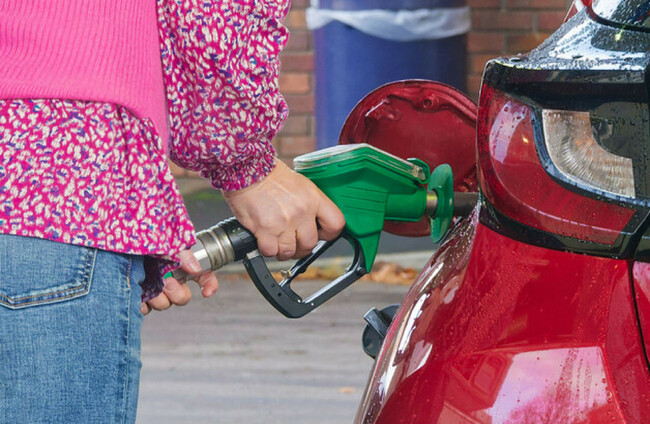
THE GOVERNMENT IS set to sign off on a phased restoration of fuel excise from September, with Tánaiste and Finance Minister Simon Harris saying petrol stations should pass on recent falls in global oil prices to motorists.
Cabinet is meeting this morning to approve plans to extend the current excise reductions on petrol and diesel until 1 September, before the cuts are gradually unwound over the following four months.
The excise reductions were first introduced in April following a spike in global oil prices linked to conflict in the Middle East and amid widespread protests over fuel costs.
Following peace talks between the US and Iran earlier this month, global oil prices have fallen to levels not seen since before the war started in February.
Harris and Taoiseach Micheál Martin have said the move means motorists will avoid the “cliff edge” that would have seen excise jump by 32 cent per litre on diesel and 27 cent on petrol at the end of July.
Speaking ahead of cabinet this morning, Harris said the phased approach would provide certainty for households and businesses while allowing the government to continue monitoring international energy markets.
“I’m very conscious of the fact that petrol and diesel prices are thankfully more affordable,” Harris said.
“I’m also very conscious of the fact that it can’t be a cliff edge for motorists, it can’t be a cliff edge for people, it can’t be a cliff edge for businesses.”
He said the phased restoration would take place over September, October, November and December, with the details to be published later today.
“It won’t be an exactly uniform amount each of those months, but this makes it more manageable,” Harris said.
The Tánaiste also said the government expected retailers to reflect falling wholesale oil prices at the pumps.
“We’re now seeing oil prices much, much lower than they were during the height of the conflict… around $73 or $74 (€64 or €65) a barrel,” Harris said.
“So I expect, should that trend continue, petrol stations to be passing that on to the customer.”
Avoiding a cliff edge
The decision follows a meeting of coalition leaders on Monday evening, where they agreed to postpone any changes until September rather than allowing the current reductions to expire next month.
Extending the package until September is expected to cost the Exchequer around €270 million.
Taoiseach Micheál Martin said the phased approach reflected the improving outlook for global energy markets following the ceasefire between Iran and the United States, while recognising that uncertainty remains.
“We expect to see a reduction in prices overall from the very high levels caused by the war,” Martin said.
The government had come under pressure from opposition parties and industry groups to avoid a sudden increase in fuel costs.
Sinn Féin argued the reductions should remain in place until the budget in October, while the Irish Road Hauliers Association warned that restoring fuel taxes too quickly would increase costs for businesses and ultimately consumers.
Asked whether the decision had been influenced by the prospect of renewed fuel protests, Harris rejected the suggestion.
“This is not about appeasement. This is about taking the correct economic decisions for Ireland,” Harris said.
He added that peaceful protest was “a perfectly legitimate thing to do in a democracy”, but said blocking critical infrastructure amounted to “economic sabotage” and would not be tolerated.

To embed this post, copy the code below on your site













have your say