Sign in. It’s quick, free and it’s up to you.
An account is an optional way to support the work we do. Find out more.
Sign in. It’s quick, free and it’s up to you.
An account is an optional way to support the work we do. Find out more.
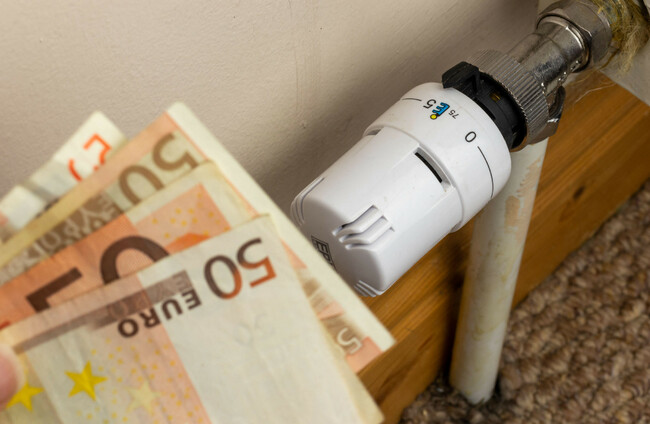
HOME HEATING OIL prices have surged by more than 50% in a matter of days, as global energy markets react to escalating conflict and uncertainty in the Middle East.
The sharp rises follow the outbreak of war involving Iran at the weekend following the joint US and Israeli attacks, which triggered volatility in international oil markets and pushed crude prices sharply higher.
One customer told The Journal that they paid €500 for 500 litres of kerosene on 23 February (nine days ago).
When they contacted the same supplier today (4 March), they were quoted €725 for the same amount.
Another reader said their bill for 500 litres, which they said was €500 last year, is up to €879 today.
National data reflects a similar spike.
According to oilprices.ie, the average price of 500 litres of heating oil on 1 March was €503.
As of today, that figure has climbed to more than €761.
That represents an increase of just over 51% in only a few days.
In Dublin, the average price for 500 litres now stands at €803.
A barrel of crude oil rose from around $67 (€57) before markets closed last Friday to approximately $77 (€66) in early trading this week. Brent crude is currently trading above $80 (€68) per barrel.
Although Ireland sources much of its oil from the North Sea, global oil is priced on international markets. Disruption or uncertainty in one region can quickly translate into higher costs worldwide.
Home heating oil is particularly exposed to market swings because it carries fewer taxes and excises than petrol and diesel, meaning wholesale price changes feed through more directly to consumers.
The issue dominated Leaders’ Questions in the Dáil today, with Sinn Féin leader Mary Lou McDonald accusing heating oil providers of “blatant price gouging and greed”.
McDonald said she had been contacted by a 94-year-old woman in Wexford who was quoted €464 for a half fill of oil last week, but saw the price jump to €879 within days.
“That’s almost double in just days,” McDonald told Taoiseach Micheál Martin.
“Her options are either pay up or go cold.”
McDonald accused companies of “jacking up their prices by hundreds of euros” and called on the government to scrap planned carbon tax increases and intervene directly.
“You need to pick up the phone and tell the top brass in these companies to stop fleecing people,” she added.
Martin replied that “no one should take advantage of uncertainty to increase prices” and confirmed that the government had asked both the Commission for Regulation of Utilities and the Competition and Consumer Protection Commission (CCPC) to examine how increases in wholesale prices are being passed on to customers.
He also defended the government’s approach to carbon tax, saying revenues are ring-fenced to fund retrofitting schemes, support farmers and address fuel poverty.
“We will keep everything under review,” he said, warning that price caps “generally do not work”.
Labour leader Ivana Bacik also pressed the Taoiseach to consider capping home heating oil prices.
“One woman who emailed me to raise her concerns had to revise her email before she hit send,” Bacik said.
“She said they put the price up again in the time it had taken her to type the message to me – this is price gouging, pure and simple.”
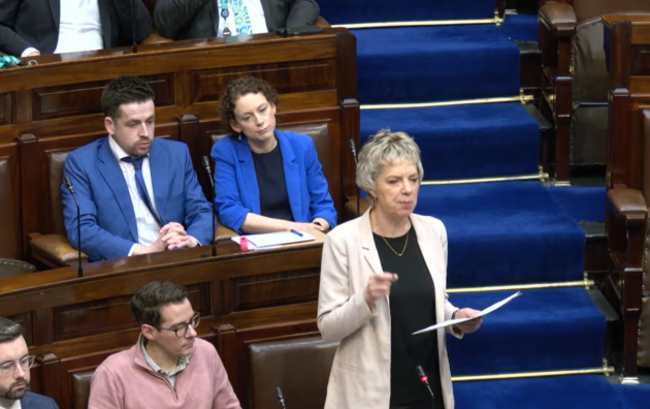
Bacik added that households “need a government that intervenes when costs spiral, not a bystander government that shrugs.”
“No one expects you to end world war but Taoiseach, will you act decisively to support people who are up against the wall, and will you intervene to support those who are struggling with cost of living crisis?” Bacik said.
Energy economist Muireann Lynch of the ESRI told The Journal that oil markets are highly globalised and “notoriously not competitive”, meaning price shocks in one region are quickly reflected elsewhere.
Lynch noted that while motorists may see price changes at the petrol station quickly, electricity and gas bills would take longer to be affected, particularly if the current crisis proves short lived.
For households reliant on kerosene, however, the impact is immediate.
“If you’re filling up your car or your home heating oil tank, you’re going to see that effect immediately,” Lynch said.
If you’ve come across any price hikes, oil or otherwise, send us on the details to answers@thejournal.ie and we’ll check it out

To embed this post, copy the code below on your site















have your say