Sign in. It’s quick, free and it’s up to you.
An account is an optional way to support the work we do. Find out more.
Sign in. It’s quick, free and it’s up to you.
An account is an optional way to support the work we do. Find out more.
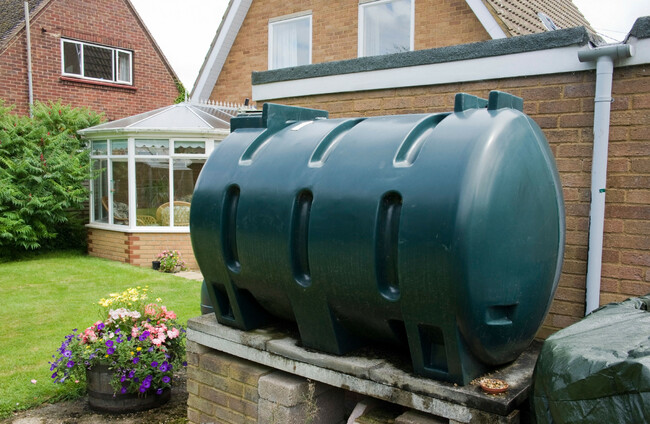
IRISH HOUSEHOLDS HAVE been hit with a €200 jump in the cost of filling a home-heating oil tank in just one week.
The average price of 1,000 litres has climbed to around €1,300 following renewed fighting in the Gulf.
New figures given to the Dáil show heating-oil prices were already up 48.7% in the year to June, more than 14 times the headline inflation rate of 3.4%.
The figures were released by Finance Minister Simon Harris after Independent Ireland TD for Cork North-Central Ken O’Flynn questioned the rising cost of household essentials.
Diesel prices increased by 13.9% over the same period, while eggs were up 10% and fresh, chilled or frozen fish rose by 3.8%.
More than 700,000 Irish households — around 45% of the total — rely on oil for heating. Use is even higher in western and Border counties.
Heating oil rose by around 20 cent per litre over the past week as global markets reacted to renewed US and Iranian airstrikes. Brent Crude climbed by 15% to around $85 (€74) a barrel, while the flow of oil through the Strait of Hormuz fell sharply.
Fuel distributors have warned that prices could rise further if the conflict intensifies.
Ireland also has limited kerosene storage, with distributors typically holding enough for just two or three days. Before the conflict began, 1,000 litres of heating oil cost less than €1,000.
The price briefly surged close to €1,800 earlier this year before falling back.
The Alliance for Zero Carbon Heating has called on the government to cut VAT on heating oil from 13.5% to 9%, bringing it into line with the temporary rate charged on domestic gas and electricity.
The price surge comes as polls show living costs have become the public’s biggest concern.
A recent Eurobarometer survey found 70% of Irish adults regarded the cost of living as the main challenge facing the EU, compared with an EU average of 39%.
Almost one-third said they had cut back on heating because of higher energy costs.
Harris said the government had provided more than €1 billion in supports for households and businesses.
Tax reductions have cut diesel by 32 cent per litre and petrol by 27 cent, while the planned carbon-tax increase has been postponed. The temporary reductions will remain until the end of August before being gradually unwound.
To embed this post, copy the code below on your site















have your say