Sign in. It’s quick, free and it’s up to you.
An account is an optional way to support the work we do. Find out more.
Sign in. It’s quick, free and it’s up to you.
An account is an optional way to support the work we do. Find out more.

WE’RE EXPECTING HIGH temperatures across the country this week, and while climate change continues to weigh heavily, many people will be glad of a chance to frolic in the sun.
With great weather comes great responsibility, and so Met Éireann, the HSE, the coast guard and other expert bodies have been advising people how best to stay safe in the sun and in the water.
In a weather advisory, Met Éireann said daytime temperatures will exceed 25 degrees, with temperatures possibly hitting 30 degrees on Thursday.
However, the forecaster said it’s unlikely temperatures will reach the threshold to be called a heatwave.
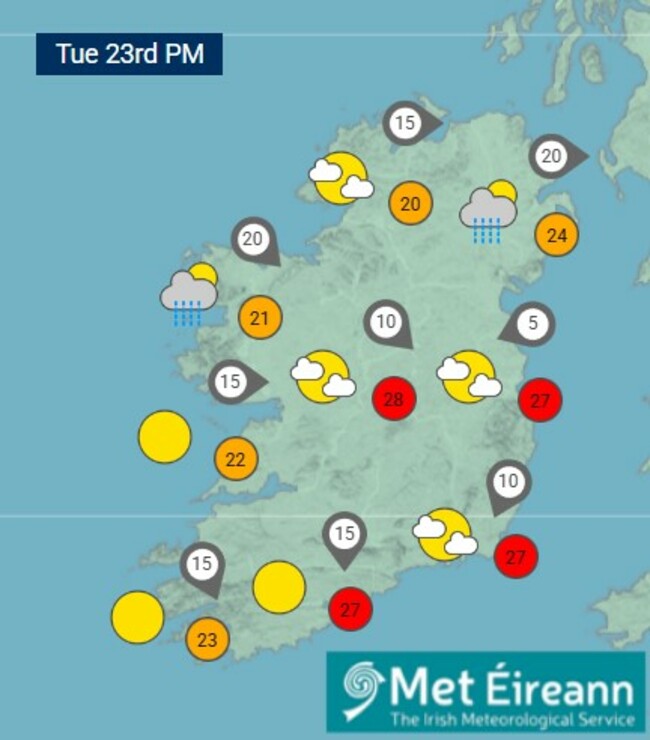
We’ve put together a guide of everything you need to know ahead of the warm week.
First thing’s first: Sunscreen. Generally, adults are advised to wear factor 30+ and children should wear factor 50+.
The higher the UV index is, the greater the risk of skin and eye damage. The UV forecast is available on Met Éireann’s website at met.ie/uv-index, and if it’s above three, you should make sure to protect your skin and eyes.
While sunscreen is important, it won’t protect you completely.
Staying indoors or in the shade as much as possible is also advised.
Covering up also helps block out rays. Sun hats and clothes that cover areas such as shoulders, which the sun can easily catch, will help protect your skin.
Met Éireann has warned of uncomfortable sleeping conditions amid the heat and humidity.
If you want to sleep well, try closing bedroom curtains during the day to block out the sun.
Use light and breathable bedsheets and pajamas, if possible, and try reducing the water temperature when showering to help cool your body down.
You may also want to consider buying a fan.
Remember, alcohol and caffeine can make you feel warmer.
Those on medications should check whether side effects include increased chance of heatstroke.
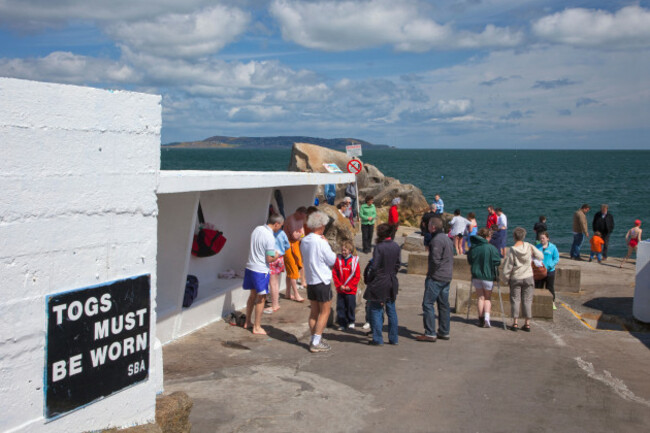
No doubt thousands of people will flock to beaches and other waterways this week.
The Irish Coast Guard, Water Safety Ireland, Waterways Ireland and the RNLI are urging the public remember that water safety is not just about swimming or water sports. It is relevant to everyday activities such as coastal walks, cycling beside canals, angling, or visiting parks and beaches with family.
Data shows that most accidental drownings (65%) follow land-based activities.
While it is always advised to only swim where a lifeguard is present, that may not be possible. Waterways are not manned on weekdays during the months of June.
If you’re planning an activity in, on or near the water, check tide times and updated weather warnings first.
Those who plan on entering the water should always swim within their depth and avoid entering the water in marinas and harbours, where there may be hidden hazards.
Avoid alcohol before swimming, operating watercraft or being near water, as it impairs judgment, coordination and reaction time.
Be aware that cold water temperatures can also cause cold water shock, increasing the risk of drowning. As it is only the beginning of summer, the water hasn’t had time to warm up.
Everyone should pay attention water safety signs and warnings and carry a means of calling for help.
If you have plans on or near a waterway, let others know where you are going and when you expect to return.
The Road Safety Authority (RSA) is asking road users to be cautious on the roads this weekend as the increased heat and clear sunny conditions can cause a dangerous sun glare, which can result in drivers being temporarily dazzled or blinded by the sun.
The RSA said the fine weather can cause a spike in pedestrian, cyclist and motorcyclist casualties, urging people to be extra cautious at junctions.
It advises drivers to reduce the risk by wearing sunglasses, ensuring you have adequate supplies of water, keeping your windscreen clear of grease or grime inside and out, and watch out for vulnerable road users such as pedestrians, cyclists, horse riders and motorcyclists.
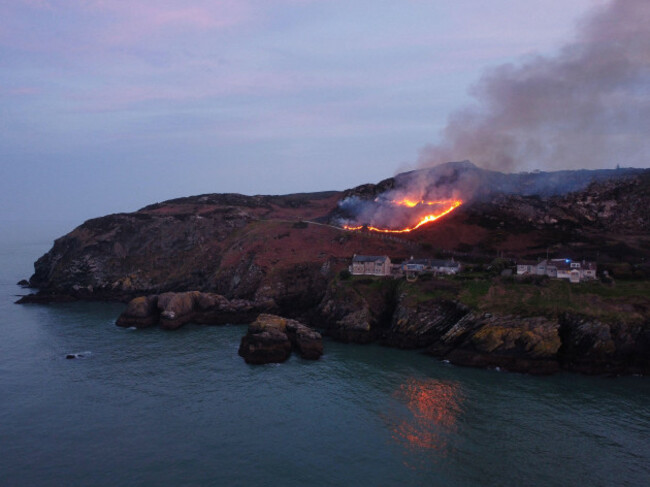
The National Directorate for Fire & Emergency Management (NDFEM) said the public should be mindful of protecting landscape, habitats and forest resources during the hot weather.
It asks people not to light fires in or near woodland. Use only designated barbecue points where available. Thoroughly soak BBQ embers after use and make sure that they are extinguished completely.
Do not block forest entrances or roads when parking, as access may be required by the fire service or forestry personnel in the event of an emergency.
If you see a fire, report it immediately to the emergency services by dialling 999 or 112.
If you see a fire, do not approach it or attempt to extinguish it yourself. Wildfires can be extremely dangerous and can rapidly change direction and behaviour.

To embed this post, copy the code below on your site
















have your say