Sign in. It’s quick, free and it’s up to you.
An account is an optional way to support the work we do. Find out more.
Sign in. It’s quick, free and it’s up to you.
An account is an optional way to support the work we do. Find out more.
PUERTO RICO IS battling massive floods after Hurricane Maria ravaged the island, as rescuers raced against time to reach residents trapped in their homes and the death toll climbed to 33.
Puerto Rico Governor Ricardo Rossello called Maria the most devastating storm in a century after it destroyed the US territory’s electricity and telecommunications infrastructure.
“Part of the island is lacking communications so what we have are some preliminary assessments about 13 deaths at this juncture,” Rossello told CNN.
“Right now our efforts are to make sure we have everybody safe, that we can rescue people. Our efforts have already produced almost 700 rescues so we’re clearly focused on that.”
The National Hurricane Center said some areas in Puerto Rico could see 40 inches of rain from Maria, and Rossello warned of dangerous mudslides brought on by the deluge.
“We have a lot of flooding, we have reports of complete devastation of vulnerable housing. Of course it’s still raining over here.”
SOS text
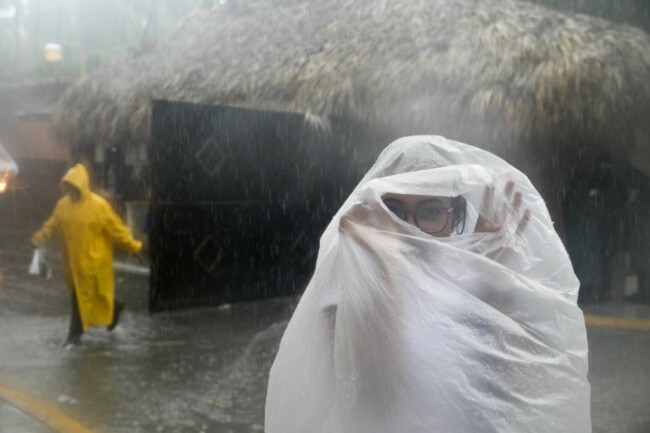
Maria has been blamed for at least 33 deaths, including 15 in Dominica, three in Haiti and two in Guadeloupe.
After lamenting that Puerto Rico had been “absolutely obliterated” by Maria, US President Donald Trump spoke with Governor Rossello last night when he promised to speed up emergency relief efforts.
Although the southeast coast suffered the worst damage, no part of the island escaped the storm’s wrath, including the capital San Juan where there was widespread flooding.
The city’s mayor, Carmen Yulin Cruz, said the biggest need was reaching vulnerable people who are stranded in their homes to give them emergency medication and supplies.
“Yesterday we were canvassing and we found elderly people that don’t have blood pressure medicine, food,” she said.
“If we get to an elderly home too late, the situation of care will be disastrous, and could be disastrous.
“I got an SOS from (an elderly home) and it was a text like from a horror movie. It said if anybody can hear us, please, we are stuck here and we can’t get out and we have no power and we have very little water left. We got there just in time.”
Network crippled
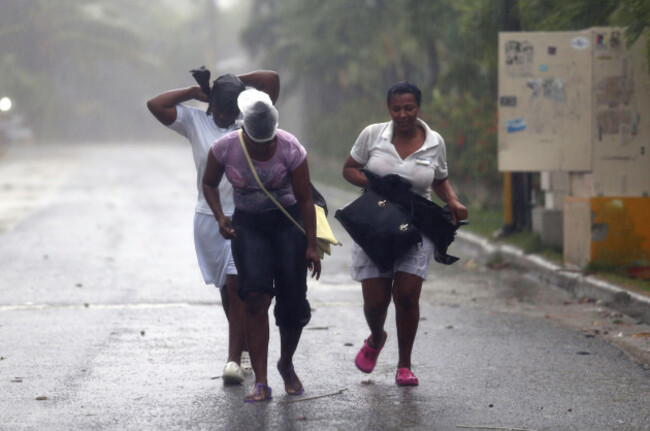
The torrential rain had turned some roads into muddy brown rivers, impassable to all but the largest of vehicles.
Toppled trees, street signs and power cables were strewn across roads that were also littered with debris.
Puerto Rico’s electricity network has been crippled by the storm and engineers say it could take months for power to be fully restored.
The local electricity board has promised that their priority will be to restore power to hospitals, water treatment plants and pumping stations.
Brock Long, who heads the US federal government’s emergency management agency FEMA, said that ships carrying millions of emergency meals and bottled water were trying to dock as the island’s ports are slowly reopened.
As of early today, Maria was a category 3 hurricane with winds of 125 miles per hour, churning in the sea some 35 miles east of Grand Turk Island in the Turks and Caicos.

To embed this post, copy the code below on your site













have your say