Sign in. It’s quick, free and it’s up to you.
An account is an optional way to support the work we do. Find out more.
Sign in. It’s quick, free and it’s up to you.
An account is an optional way to support the work we do. Find out more.
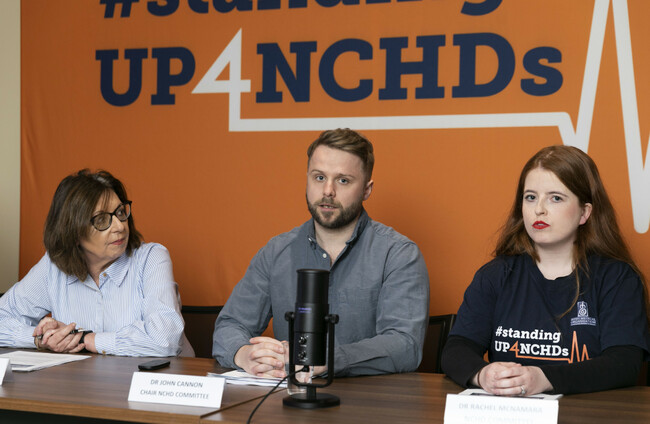
THE IRISH MEDICAL Organisation has commenced a ballot of non-consultant hospital doctors for industrial action up to and including strike action.
Non-consultant hospital doctors, also known as NCHDs, or junior doctors are medical practitioners who work under the supervision of another consultant.
The IMO has launched the ballot for industrial action in response to research it carried out on alleged contract breaches which the organisation claims “have consequences for patient safety”.
This ballot for Ireland’s 7,500 junior doctors will close on the June 9.
Chairman of the IMO’s NCHD Committee, Dr John Cannon, has said that junior doctors will be forced to strike as a last resort without immediate and serious engagement by Government and the HSE.
“No doctor ever wants to go on strike but there comes a time when the abuse is so persistent and ingrained that we simply have to stand up for ourselves, our patients and for the next generation of NCHDs. Someone has to say enough is enough,” he said.
The IMO is also seeking a contract revision for junior doctors, who it says make up approximately two thirds of healthcare staff.
A more flexible training structure, as well as a contract aligned with the “changing demographic of NCHD workforce”, are also key issues that the representative body intends to demand.
The IMO’s research which led to the ballot for industrial action found that 100% of NCHDs are working beyond their rostered hours, 91% have problems taking study leave and 50% of NCHDs have difficulty taking annual leave.
78% of junior doctors surveyed considered themselves to be at high risk of burnout and dissatisfied with work-life balance.
One of the IMO’s key grievances is that junior doctors are being required to work overly long hours, and aren’t paid transparently for all hours worked.
There are currently 837 consultant jobs in the healthcare system that are not filled on a permanent basis, up from 721 last September.
The IMO’s research also found that rostering and contracting issues disproportionately impact female NCHDs.
54% of female junior doctors in training have postponed having a family for fear of the impact on training opportunities, compared to 29% of men.
76% of women NCHDs with children have considered changing their career speciality as their current working conditions did not seem conducive to caring for a child.

To embed this post, copy the code below on your site











have your say