Sign in. It’s quick, free and it’s up to you.
An account is an optional way to support the work we do. Find out more.
Sign in. It’s quick, free and it’s up to you.
An account is an optional way to support the work we do. Find out more.
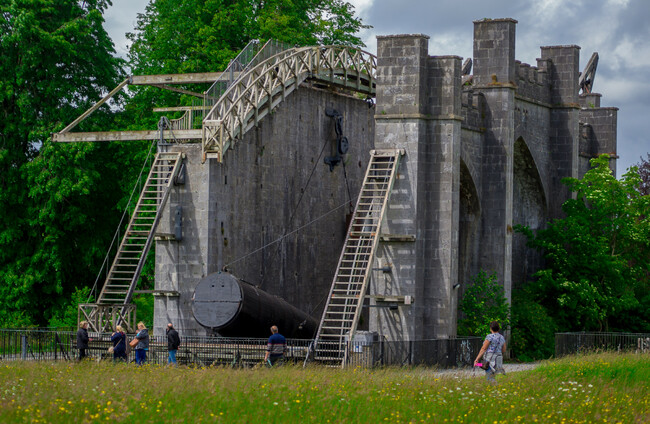
TWO HISTORIC LOCATIONS have been added to Ireland’s tentative list of UNESCO World Heritage Properties today.
It’s a first step for Birr Castle in Offaly and Dunsink Observatory in west Dublin to make it on to the exclusive list.
Making the announcement to mark World Heritage Day, Minister James Browne said increasing the number of UNESCO World Heritage Properties in Ireland is a government goal.
Both sites have historic links to the study of astronomy. In Birr Castle, a telescope named the Great Leviathan of Parsonstown was constructed in 1845, the largest in the world for 75 years.
Dunsink Observatory has been a centre for astronomical research in Ireland since its foundation in 1785, and has been home to many of Ireland’s most famous scientists, including astronomer William Rowan Hamilton.
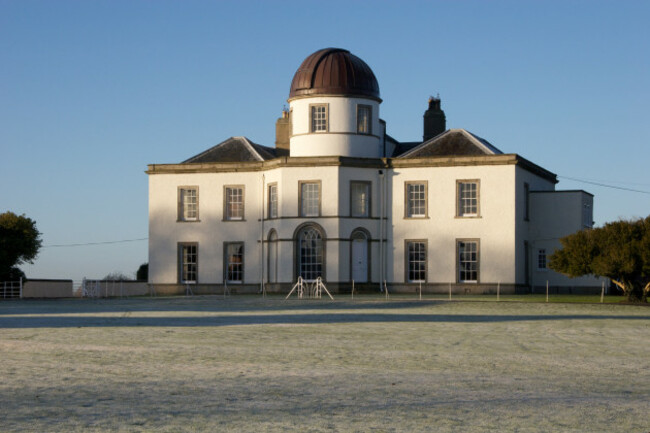
Both locations are seeking designation as world heritage sites along with Armagh Observatory in Northern Ireland.
“These places of trailblazing scientific endeavour epitomise historical collaboration across the island,” Browne added. “They showcase our remarkable heritage on the global stage, and the journey of this project in the years will strengthen North-South cooperation greatly with shared benefits for these places and their communities.”
If elevated to the UNESCO World Heritage List, they would join Brú na Bóinne, County Meath, Sceilg Mhichíl, Co. Kerry, and the Giant’s Causeway and Gracehill Moravian Church Settlement in Co. Antrim as having the designation.
All three sites were put forward for the tentative list by the Astronomical Observatories of Ireland in September 2023.
Dr Eucharia Meehan, CEO and registrar of the Dublin Institute for Advanced Studies (DIAS) and a custodian of Dunsink Observatory, said that securing a place on the tentative list for achieving UNESCO World Heritage status “is a fantastic recognition of the observatories’ unique, historical heritage”.
Professor Peter Gallagher, head of astronomy at DIAS, said that the scientific heritage of all three sites “cannot be overstated”.
“The telescope in Birr Castle was the largest in the world for seven decades and remains today a place of scientific endeavour and significance,” Gallagher said.
Gallagher, who also serves as chairperson of Birr Castle Demesne and the director of DIAS Dunsink Observatory, added: “we need to preserve as well as educate on the importance of science for society and to inspire the next generation”.
The tentative list is made up of natural or cultural heritage sites that have the potential to demonstrate “outstanding universal value” for all humanity, and would therefore be considered suitable for nomination to the UNESCO World Heritage List.
Only sites that have been on the tentative list for over a year can make a bid for a spot on the UNESCO list.
Other sites on the tentative list include the Passage Tomb landscape in Co Sligo, Valentia Island in Co Kerry and the ‘royal sites of Ireland’ - the traditional royal centres of the four provinces.
Ireland is underrepresented on the World Heritage list – there are currently only two properties in in the Republic of Ireland boasting World Heritage status.
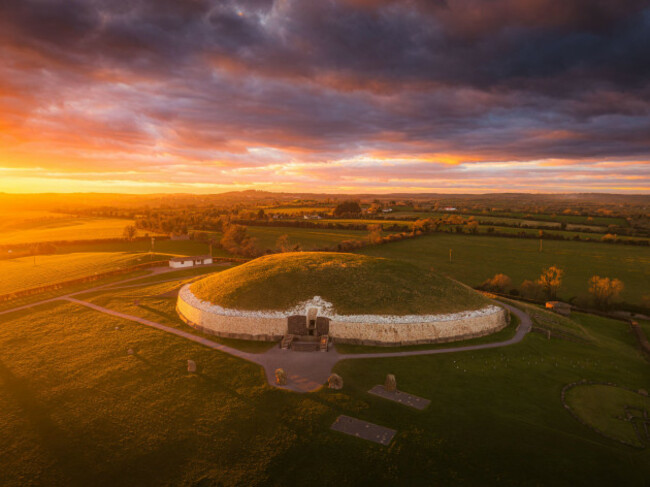
Brú na Bóinne, which includes the passage tombs of Newgrange, Knowth and Dowth was inscribed on the list in 1993.
Sceilg Mhichíl (Skellig Michael), a crag island off the Kerry coast, was also added to the list in 1996.
In Northern Ireland, the Giant’s Causeway and Moravian church settlements feature on the UNESCO list.

To embed this post, copy the code below on your site















have your say