Sign in. It’s quick, free and it’s up to you.
An account is an optional way to support the work we do. Find out more.
Sign in. It’s quick, free and it’s up to you.
An account is an optional way to support the work we do. Find out more.
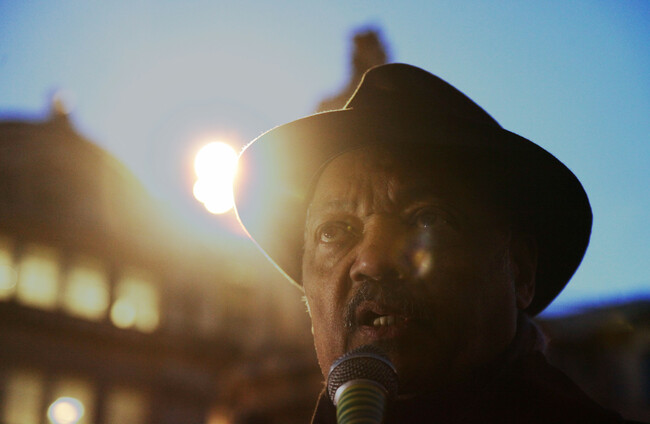
THE REVEREND JESSE Jackson disclosed publicly that he has been seeking outpatient care for two years for Parkinson’s disease and plans to “dedicate” himself to physical therapy.
In a letter to supporters, the 76-year-old civil rights icon said family and friends noticed a change in him about three years ago and he could no longer ignore symptoms of the chronic neurological disorder that causes movement difficulties.
“Recognition of the effects of this disease on me has been painful, and I have been slow to grasp the gravity of it,” he wrote. “For me, a Parkinson’s diagnosis is not a stop sign but rather a signal that I must make lifestyle changes and dedicate myself to physical therapy in hopes of slowing the disease’s progression.”
Jackson also released a Northwestern Medicine letter saying he was diagnosed in 2015 and has since sought outpatient care.
Jackson vowed to use his voice to help find a cure for the disease. He declined an interview.
About 60,000 people in the US are diagnosed with Parkinson’s annually, according to the Parkinson’s Foundation. It can start with tremors and symptoms generally worsen over time. The exact cause isn’t known and treatments include medications, surgery and physical therapy.
The disease itself isn’t fatal but people can die from complications. Jackson noted Parkinson’s “bested my father”.
Noah Lewis Robinson Sr died in 1997 at age 88 after suffering a heart attack.
It was unclear how Jackson’s diagnosis will affect his civil rights work through the Rainbow/PUSH Coalition, the Chicago-based civil rights group he founded more than two decades ago.
A protégé of the Reverend Martin Luther King, Jackson was instrumental in guiding the modern civil rights movement, from issues involving voting rights to education.
Twice a candidate for the Democratic presidential nomination in the 1980s, he’s remained a strong voice in numerous anti-discrimination efforts, including advocating for affordable housing. He’s often seen at protests nationwide.

To embed this post, copy the code below on your site














have your say