Sign in. It’s quick, free and it’s up to you.
An account is an optional way to support the work we do. Find out more.

Sign in. It’s quick, free and it’s up to you.
An account is an optional way to support the work we do. Find out more.


IT’S BACK TO school season, did you realise? Everyone is shouting about it and for good reason – it’s a chaotic time of year. It’s busier than ever, fraught with emotion and your expenses go through the roof. But it’s not just the adults that are faced with money management choices – the school routine brings with it more responsibility for kids and their decisions around spending, however small those decisions may seem.
With the expenses that kids face, whether at lunchtime, getting the right sports gear, or spending when they’re socialising with friends, they are constantly learning and reinforcing habits and attitudes around money. So there’s no such thing as too early – Paul Merriman, the financial advisor behind Ask Paul, offers up ways that parents can influence their teens’ and tweens’ spending habits in a smart direction.
Going back to school presents a lot of new challenges, especially for kids entering secondary school. What kind of financial pressures can these kids face?
Starting secondary school often means a jump in spending. Teens are managing more of their own money, whether it’s for lunch, school supplies, or social activities. There’s also more peer pressure around clothes, phones, and tech. I see this often with families I advise: the cost of being a teen can spiral quickly if there’s no structure. The key is to give kids a budget and help them plan how to stretch it, rather than just topping up their card when it runs dry.
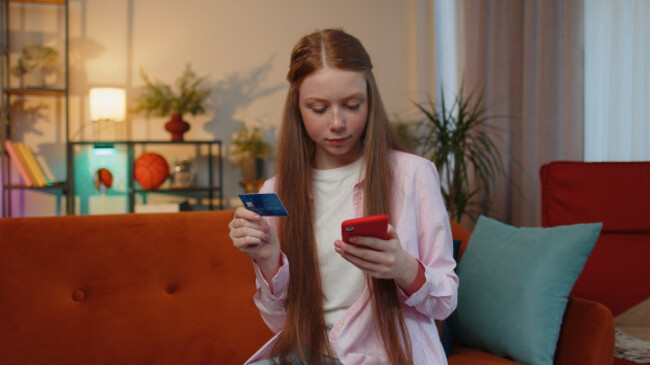
In the context of the costs facing kids these days, whether in-app purchases, wearing the right clothes, or even buying lunch, how hard is it for kids to manage their money wisely?
It’s extremely challenging. Kids are constantly exposed to spending temptations, whether it’s in-app purchases, online shopping, or trying to keep up with what their friends have. Most of their spending is digital, so they don’t get the same sense of parting with money as they would handing over cash. That’s why structure matters.
If a child doesn’t see where their money goes, they won’t understand its value.
We need to show them what a weekly budget looks like in real terms like what €10 gets them over two days, not just one. Giving them tools to track spending and set savings goals, like An Post Money Mate, turns money management into a habit, not a guessing game.
What kind of habits should parents be encouraging, and what is the best way to encourage those habits?
Start with three basics: budgeting, saving, and goal-setting. Give your child a weekly or monthly allowance and talk them through how to split it so maybe 70% for spending, 20% for savings, 10% for giving.
Encourage them to save for things they want, rather than giving in to impulse buys. And make it real so if they want new runners that cost €80, work out how many weeks it’ll take to save.
Kids learn more from practice than lectures.
How can the An Post Money Mate account and app help parents and kids figure out financial questions together and build strong financial habits?
An Post Money Mate is a brilliant tool because it gives kids their own card and app so they feel independent but parents can still see every transaction. It’s a safe space to make mistakes and learn from them. You can set up regular pocket money transfers, assign savings goals, and use real-time alerts to open up conversations: ‘Hey, I saw you spent €35 on snacks today, want to talk about that?’ It encourages healthy financial habits without the need for constant nagging.
What can the An Post Money Mate account and app be used for, what are its limitations, and what kind of control does it give parents of their child’s spending?
Money Mate lets your child spend in shops and online within limits. As a parent, you have full visibility and control. You can freeze the card instantly, block certain types of spending, or cap the amount they can use. It’s real-world financial learning, but with a safety net. That’s the sweet spot. It’s not about controlling every euro, they need space to learn but it’s about giving them the freedom to manage money, with the guidance to do it wisely.
To learn more about an An Post Money Mate account, visit the An Post Money website.
Terms & Conditions apply. An Post is authorised by the Minister for Finance to provide payment services and is regulated by the Central Bank of Ireland in the provision of such services
To embed this post, copy the code below on your site













have your say