Sign in. It’s quick, free and it’s up to you.
An account is an optional way to support the work we do. Find out more.
Sign in. It’s quick, free and it’s up to you.
An account is an optional way to support the work we do. Find out more.
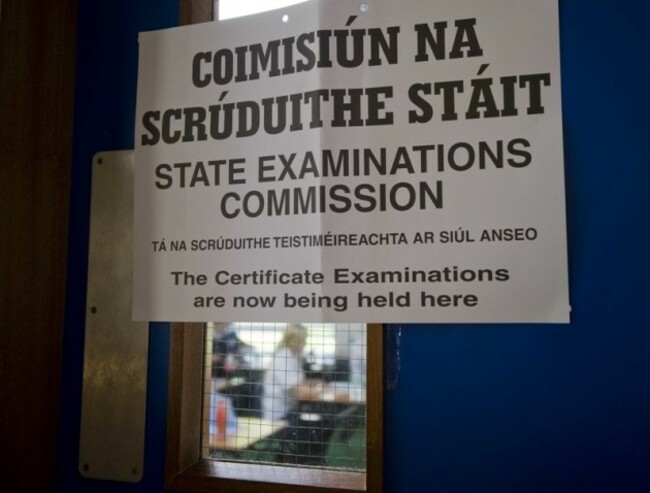
A WIDE RANGE of ability was evident among language students in last year’s Leaving Cert exams.
Reports published by the State Examinations Commission (SEC) today show how many students took French, German, Italian, Japanese, Russian and Spanish.
Some 25,700 students took the French exam, 7,615 took German, over 500 did Italian, more than 320 did Japanese, some 340 took Russian and over 6,500 did Spanish.
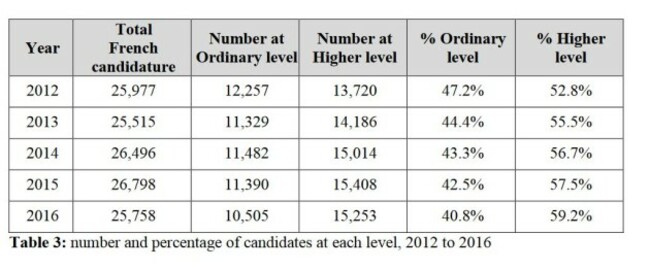
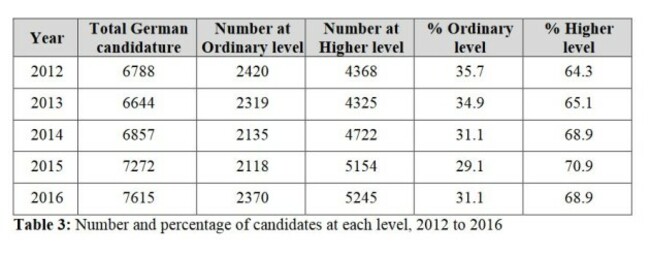
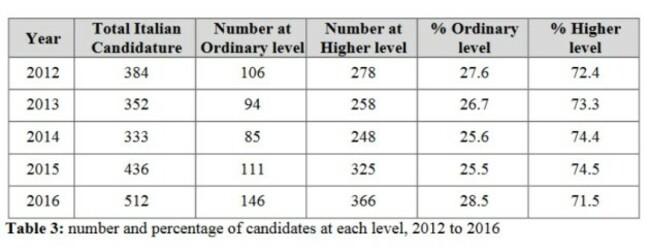
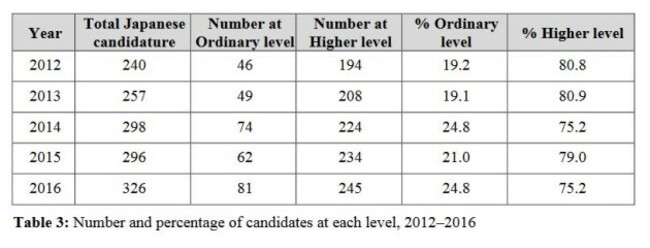
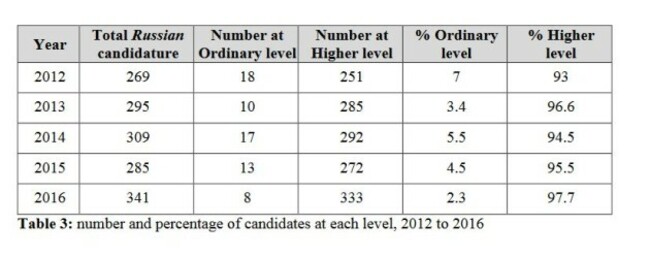
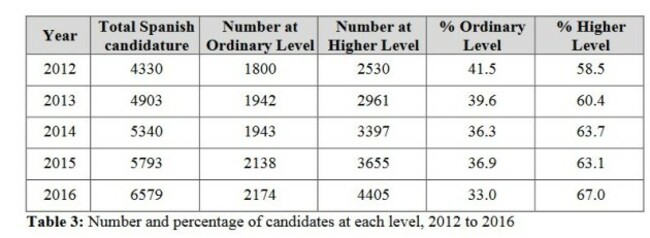
Examiners noted that some students performed very well, while other were ill-prepared and struggled with basic vocabulary.
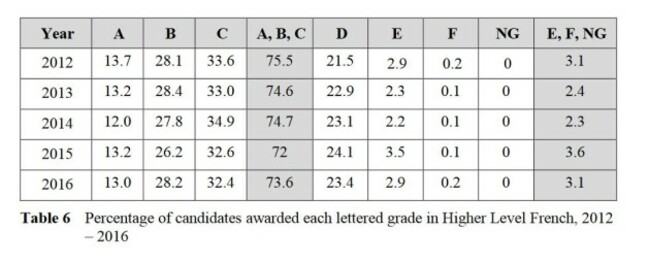
In the French oral exam, for example, they noted: “The performance of candidates in the 2016 examination spanned the full range of abilities.
The majority of candidates were well prepared, and showed a great willingness to communicate. Many had achieved a high degree of proficiency and fluency.
“However, at the other end of the scale, there were those who had difficulty in
answering even simple questions.”
In terms of the French listening comprehension, the report states: “In many cases, marks were lost because Junior Certificate level vocabulary was not known, and candidates performed less well than expected when confronted with basic words or phrases.
“However, the more able candidates coped well with the material, and were able to give detailed, comprehensive answers, showing that the understood the concept, and not just individual words.”
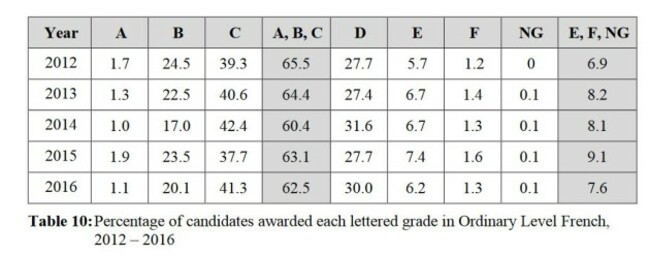
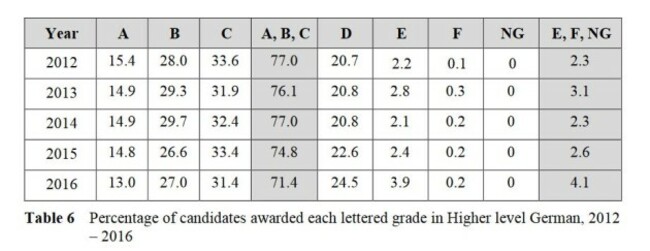
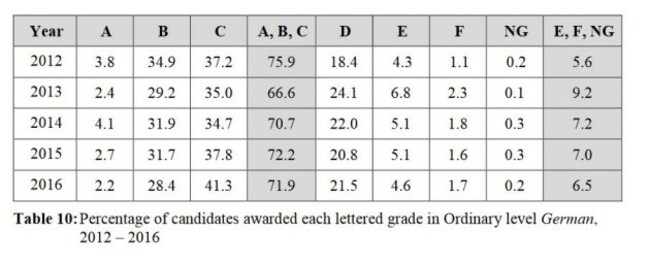
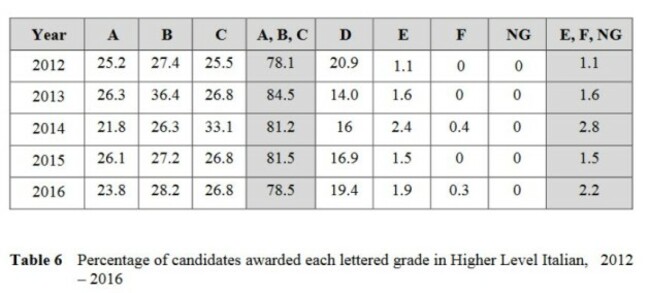
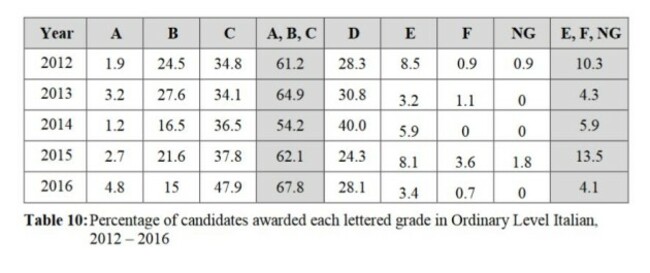
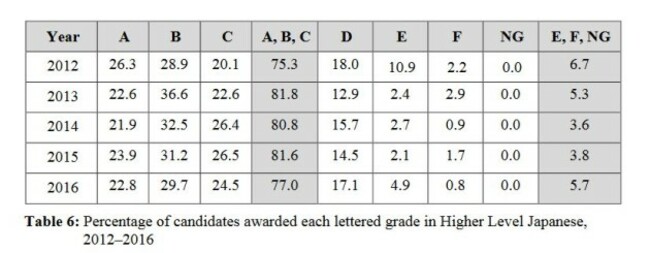
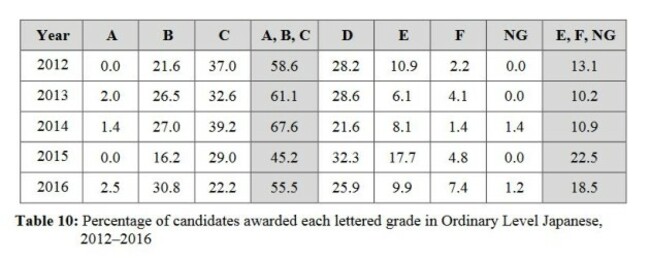
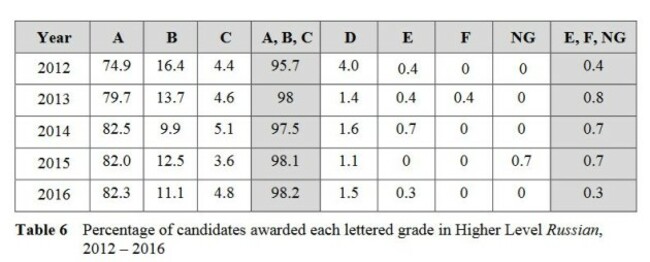
Here’s a breakdown of students’ higher and ordinary level grades across different languages:
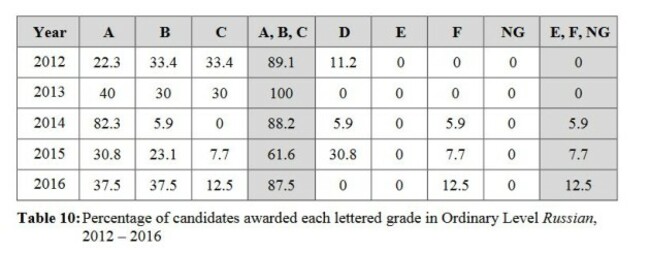
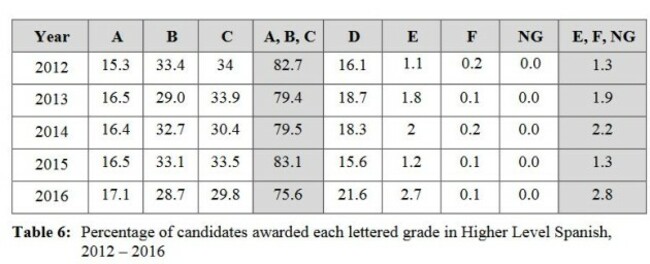
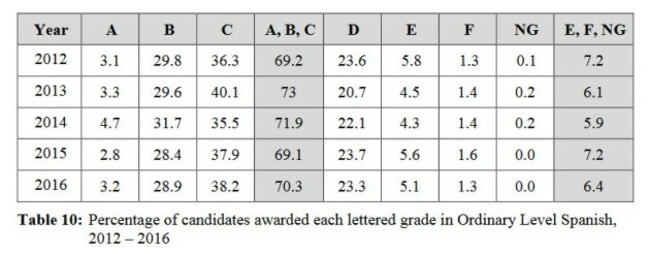
Spanish and Russian
Regarding Spanish, examiners stated that “a very good standard of oral communication skills was demonstrated by many [students]“.
It was also noted some candidates are “still being taught in a ‘rote learning’ manner which prevents the natural flow of conversation”, but that “a large number of candidates show a level of confidence and fluency in the language which is very encouraging”.
The report on the Russian oral exam states that the majority of candidates “showed impressive communication skills and the ability to deal with a wide range of issues in general conversation”.
The document added it was ”noteworthy … that many candidates left their native educational system some time ago and currently do not appear to have any formal instruction in Russian”.
“Consequently their Russian is being influenced by English. Many of these candidates subconsciously incorporated English lexis and idioms while conversing in Russian.”

To embed this post, copy the code below on your site














have your say