Sign in. It’s quick, free and it’s up to you.
An account is an optional way to support the work we do. Find out more.
Sign in. It’s quick, free and it’s up to you.
An account is an optional way to support the work we do. Find out more.
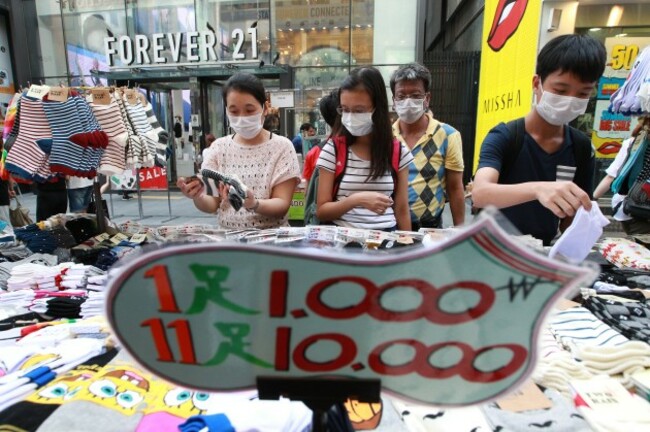
THE WORLD HEALTH ORGANISATION has downplayed concerns about MERS spreading further within South Korea today.
The asian country has recorded its 14th death and a dozen new infections in what’s the largest outbreak of the deadly virus outside Saudi Arabia.
However, experts from the WHO and South Korea say it would be premature to declare the outbreak over.
The outbreak has so far been occurring only in hospitals, among patients, family members who visited them and medical staff treating them.
There has been widespread fear in the country of the poorly understood disease – which has no vaccine and had a mortality rate as high as 40 percent in previous outbreaks.
There also had been growing criticism over failures by health workers and the government to initially recognise and quickly contain the disease.
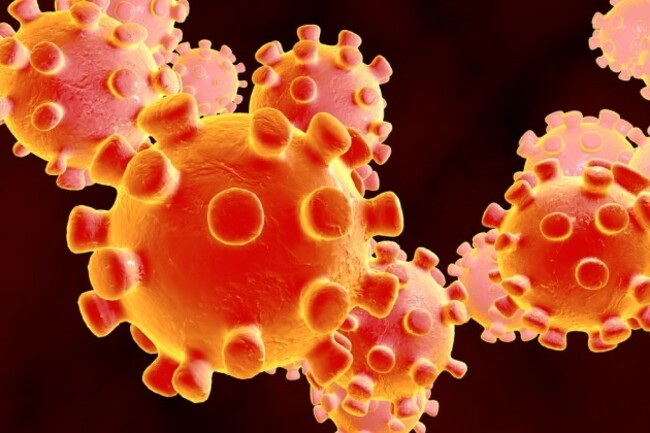
What is MERS?
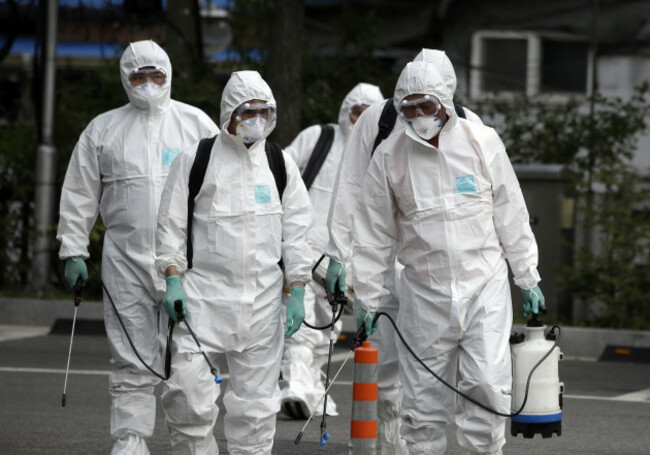
What are the WHO saying about this latest outbreak?
After a weeklong review of the outbreak of Middle East respiratory syndrome, the panel of WHO and South Korean experts told a news conference today that there was no evidence to suggest the virus is spreading in the community.
The virus has spread at a pattern similar to previous outbreaks in the Middle East, and samples from South Korea showed no signs that the virus has increased its ability to transmit between humans.
While the infections seem to be stagnating, the South Korean government must continue to maintain strong control measures, the WHO said – such as thoroughly tracing patients’ contacts and preventing suspected patients from traveling,
The continued discovery of new cases has created an impression that the outbreak is getting bigger, WHO Assistant Director Keiji Fukuda said
However he noted that many of the cases being reported were of people who were infected in the past.
New infections appear to be declining, which suggests that the government’s control measures are having an impact, he said.
“Now, because the outbreak has been large and is complex, more cases should be anticipated,” he said.
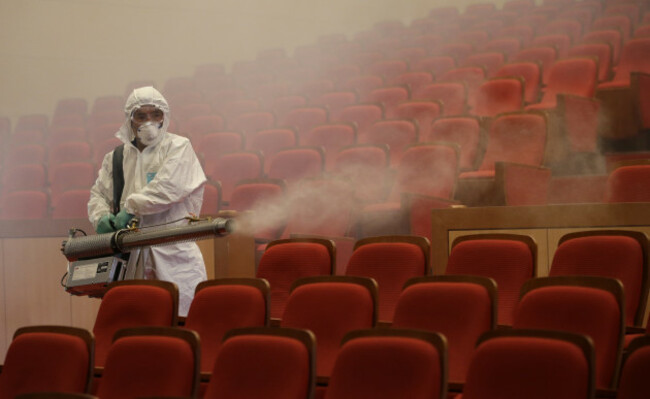
Fukuda said that overcrowded emergency rooms and hospital wards might have contributed to a wider-than-expected transmission of the virus.
South Korea’s habits of “doctor shopping” — visiting multiple facilities to treat the same infection — and the custom of having many friends and family members visiting hospitalised patients might have also facilitated the spread, he said.
How many cases have there been?
Nearly 140 people in the country have been diagnosed with MERS since last month — including 12 new cases reported today— in the largest outbreak outside Saudi Arabia.
Among those infected, 16 are in serious condition.
About 2,900 schools and pre-schools remained closed yesterday, and more than 4,000 people were isolated as of today – after possible contact with those infected.
Most of the deaths in South Korea have been of people suffering from pre-existing medical conditions, such as respiratory problems or cancer.
With reporting from Associated Press

To embed this post, copy the code below on your site












have your say