Sign in. It’s quick, free and it’s up to you.
An account is an optional way to support the work we do. Find out more.
Sign in. It’s quick, free and it’s up to you.
An account is an optional way to support the work we do. Find out more.
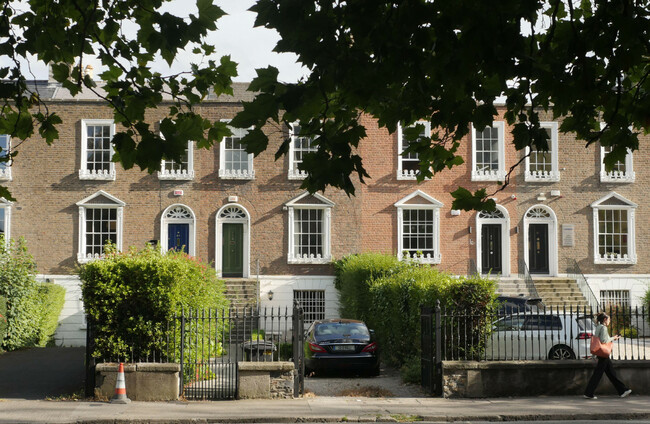
MORE AFFLUENT AREAS have higher proportions of immigrants, figures show.
Researchers with the Economic and Social Research Institute (ESRI) also found a significant urban-rural divide when it comes to immigration.
About four in five migrants (78%) reside in urban areas, with most of those living in cities (43%), while the rest live in either commuter towns (15%) or independent towns (20%).
The study also found that the proportion of migrants is higher in more affluent areas.
In Electoral Divisions classified as ‘very affluent’, 36% of the population are migrants, whereas they make up only 9% of the population in ‘extremely disadvantaged’ areas.
In Dublin, migrants are most concentrated in the city centre and outer suburbs, with areas 2-4 km from the city centre having lower proportions of migrants.
Migrants are also more likely to live in areas with more private rental housing, as opposed to owner-occupied or social housing.
ESRI researchers interviewed stakeholders working in local integration across the country.
There are now Local Area Integration Teams (LAITs) in every local authority. Their role is to support the integration of asylum seekers and refugees.
Researchers say stakeholders they spoke to welcomed the introduction of LAITs and a move away from a centralised approach to immigration policy.
Many interviewees suggested the remit of LAITs should be expanded to include all migrants or other vulnerable migrant groups.
In reference to International Protection Accommodation Services (IPAS) centres, which provide accommodation for those seeking asylum, some interviewees suggested that IPAS centre managers should receive training for their role.
They also noted issues around the availability of English language training in rural areas and difficulties facing migrants living near the border with Northern Ireland, who are not permitted to cross the border without a visa.

To embed this post, copy the code below on your site













have your say