Sign in. It’s quick, free and it’s up to you.
An account is an optional way to support the work we do. Find out more.
Sign in. It’s quick, free and it’s up to you.
An account is an optional way to support the work we do. Find out more.
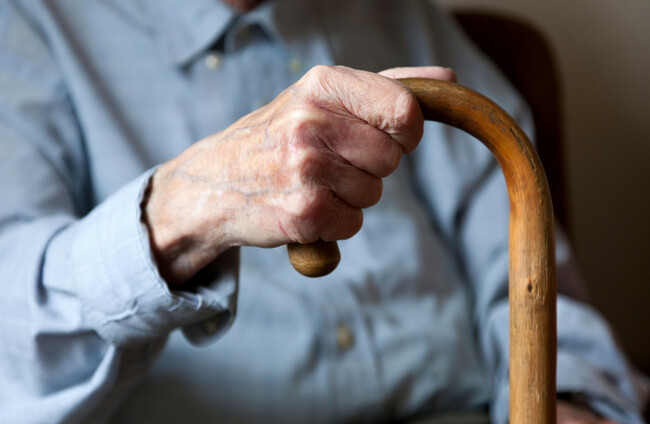
NEW RULES FOR nursing homes which will be implemented from today will allow nominated persons to visit a resident at all times, even during a pandemic.
The Health Information and Quality Authority (HIQA) has welcomed the changes and said it will “support nursing home residents and ensure better governance in nursing homes”.
The new regulations have been introduced by the Department of Health following recommendations proposed by the COVID-19 Nursing Homes Expert Panel.
This panel was established to examine issues around the management of Covid among this particularly vulnerable cohort and to identify key learning and lessons for the future.
It recommended the protection of residents’ visitation rights, including during outbreaks, and the facilitation of communication with family members.
The new regulations also follow engagement with HIQA and other key stakeholders.
In recent weeks, HIQA has engaged with nursing homes providers to inform them of the changes.
The new regulations focus on a number of areas such as governance and management, residents’ rights, risk management, and infection control.
HIQA’s deputy chief inspector of social services, Susan Cliffe, remarked that the new regulations reflect learnings from the pandemic and recognise the “extraordinary burden” that the pandemic placed on residents, their families and those working within nursing homes.
This includes the need to implement better measures to minimise the risk of infection and to balance this with residents’ rights to maintain contact with their family.
Residents’ rights will be enhanced by ensuring that they are enabled to communicate freely, have access to visitors and the Internet, and have a nominated close friend considered part of their family for support who can visit at all times.
Meanwhile, nursing homes must ensure that any visitor restrictions in the event of a health-related pandemic are in place for the shortest period possible and that residents are supported to receive visits from family where possible.
“As people get older, they must be supported to live active and fulfilling lives where their human rights are protected and promoted and in settings that are local and promote their independence as far as possible,” said Cliffe.
She added that the changes represent the “most extensive update to the regulations since the commencement of HIQA regulating nursing homes in 2009”.
Meanwhile, Cliffe noted that “better governance is our best way of managing future health risks and meet residents’ needs”.
She said the regulatory changes are being enacted to ensure that the appropriate skills and experience are in place in the management of nursing homes.
HIQA’s Chief Inspector will monitor and inspect nursing homes against the new regulations, and has committed to ensuring that all nursing homes are inspected at least once a year.
Under the regulations, nursing home providers must also ensure there is a designated ‘person in charge’ (PIC) or a qualified person to deputise for this ‘person in charge’.
From today, any new PIC being appointed must possess at least three years’ experience in a nursing management role and appropriate management qualifications.
In addition to this, a PIC is now limited to oversee the management of no more than two nursing homes.
Any one deputising for a PIC in a nursing home must possess at least three years’ experience of nursing older persons within the previous six years.

To embed this post, copy the code below on your site
















have your say