Sign in. It’s quick, free and it’s up to you.
An account is an optional way to support the work we do. Find out more.
Sign in. It’s quick, free and it’s up to you.
An account is an optional way to support the work we do. Find out more.
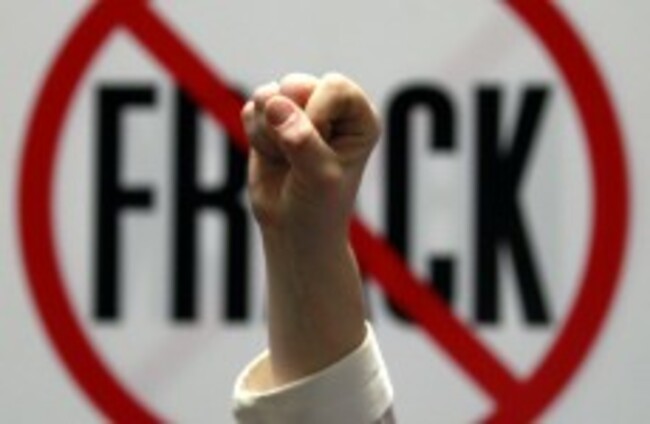
THE STATE OF New York is to ban fracking, citing unresolved health issues and uncertain economic benefits of the controversial gas-drilling technique.
The State’s Environment Commissioner said today that he is recommending a ban, and New York Governor Andrew Cuomo said he would defer to the Commissioner in making the decision.
A series of major environmental and health reviews which took almost six years were carried out into the practice which concluded that it carried unacceptable risks that haven’t been sufficiently studied.
A final environmental impact statement will be published early next year, following which the Environmental Commissioner said he’ll issue an official order prohibiting fracking.
The announcement has been welcome by environmental groups.
“Mounting scientific evidence points to serious health risks from fracking operations,” said Kate Sinding of the Natural Resources Defence Council in the US.
Some US states and other countries have moved to ban certain types of fracking, although the industry contends the techniques have been in use for decades and are safe.
A number of local authorities around Ireland have moved to ban fracking in their areas, although the votes have been largely symbolic.
Fracking is a way of extracting natural gas reserves from pockets in underground rock. Water and chemicals are pumped underground at high pressures to fracture rocks and allow the pockets of natural gas to escape.
The oil industry has used fracking for decades, but it is only in recent years that the technology has advanced to make it possible to use as a technique for extracting gas reserves.
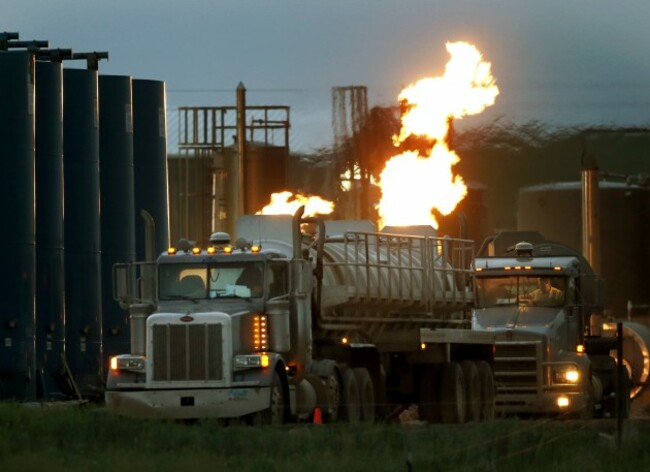
The acting Health Commissioner for New York, Howard Zucker said there were ‘significant public health risks’ and ‘red flag’ health issues that require long-term studies before fracking can be called safe.
He said that today’s decision came down to one question: Would he want to live in a community that allows fracking?
“My answer is no,” he said.
He added: “We can’t afford to make a mistake. The potential dangers are too great.”
Additional reporting by Associated Press and AFP.

To embed this post, copy the code below on your site











have your say