Sign in. It’s quick, free and it’s up to you.
An account is an optional way to support the work we do. Find out more.
Sign in. It’s quick, free and it’s up to you.
An account is an optional way to support the work we do. Find out more.
CALLUM CHRISTIE THOUGHT he was buying an Oasis ticket from someone he’d known for years.
The Facebook account had the right name, the right pictures, and even mutual friends. It was asking for €200 – not cheap, but not suspiciously low either.
Callum messaged to say he’d take one.
What he didn’t know was that he was seconds away from handing over his money to a scammer. It was one of many targeting Irish music fans desperate to see Liam and Noel Gallagher live in Dublin.
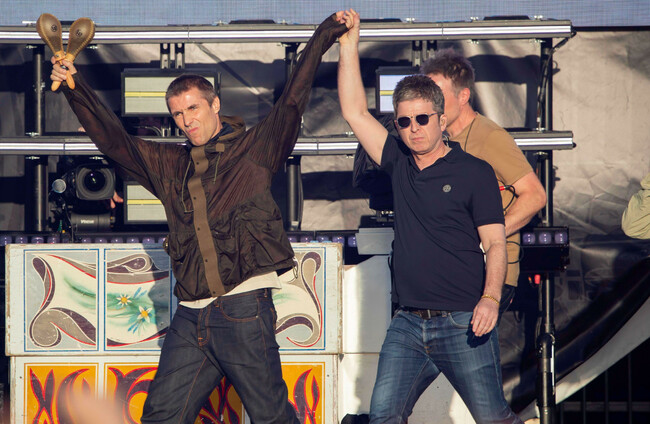
This week, Oasis will play two sold-out shows at Croke Park on 16 and 17 August. These will be their first Irish gigs in 16 years, and the tour is the first time they’ve back on stage together since splitting in 2009.
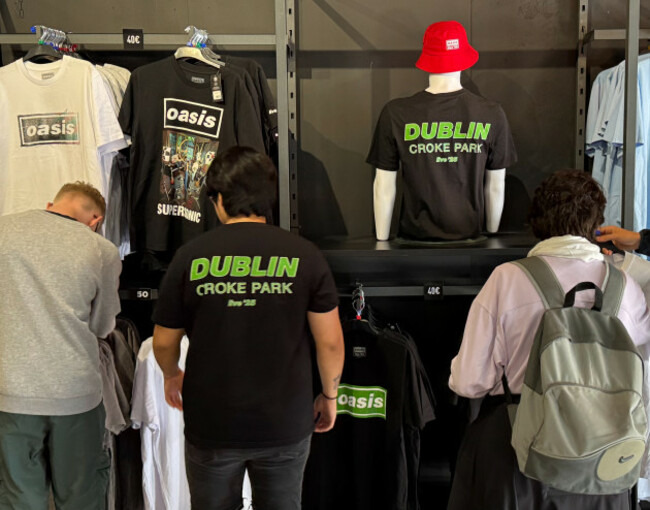
Tickets for the Dublin dates sold out in minutes when they went on sale last August. In the rush, many fans were left empty-handed and increasingly vulnerable to fraud.
Callum, from Coolgreany in Co Wexford, said the Facebook account he encountered was so convincing, he never thought to question it.
“It was someone I’d know from the area, Emmett*. He’s going to the concert anyway, he got tickets with his friends during the mad rush,” Callum said.
“I didn’t get mine at the time, so when I saw ‘him’ post about having a spare, I messaged and asked him to keep one for me.”
It wasn’t Emmett.
Callum and his brother had both been following the cloned account for months, completely unaware it was fake.
“My brother didn’t realise someone had copied Emmett’s profile. Same name, same pictures, even mutual friends. It looked exactly like him.”
He had nearly transferred the money when another local posted a warning online. The account wasn’t real.
“I swear to God, I was just about to click pay. I almost lost hundreds of euro.”

Even after Callum stopped responding, the scammer kept messaging, still pretending to be Emmett.
The fake account then got defensive when Callum started asking questions, and quickly turned things around by pushing him to prove he was real.
“They asked if I could send over a photo of Emmett’s wife and kids. I guess to try and keep up the act,” he said.
“I even suggested I’d call over to their house, just to see if they’d admit anything, but they didn’t bite.”
“I checked it again later and noticed there was no bio, just photos. But by then, I’d nearly handed over €200.”
The account was later taken down after the real Emmett and several others reported it to Meta.
Callum did eventually get a real ticket. It cost him more, but he knows it’s legitimate – and it’s going to be a big event for him.
“It’ll be my first concert. I’ve always said the only way I’d go to one is if Oasis got back together or if Elvis came back from the dead,” he said.
With Oasis set to take the stage in days, experts are warning that scams like this are growing and evolving.
Niamh Davenport, head of financial crime with the Banking & Payments Federation Ireland (BPFI), told The Journal the idea that fake tickets are being sold at a price “too good to be true” no longer holds up.
“What we’re seeing now is people paying face value, or even more,” Davenport said.
“The red flag used to be a suspiciously low price,” she said. “But now people are so desperate, they’re willing to pay over the odds.”
She said fake listings are mainly popping up on social media and unverified resale platforms.
“Facebook Marketplace is a big one. Fraudsters are professionals. They’re using stolen images, building up trust over time, and targeting fans who are emotional about seeing their favourite band.
For a concert like Oasis, people would pay anything.
Even legitimate-looking resale websites can be deceptive, she added.
“The design might be perfect, the spelling might be flawless, but that doesn’t mean it’s real,” Davenport explained.
“These aren’t sloppy operations any more. These fraudsters are running businesses.”
Davenport said the BPFI is advising fans to stick to official resellers like Ticketmaster, which now offers verified ticket resales.
She also recommended checking links or ads using the BPFI’s ScamChecker tool.
With the Oasis gigs on later this week and Electric Picnic just around the corner, banks are also warning of a sharp rise in ticket scams.
Bank of Ireland has reported a 17% increase in purchase scams so far this year compared to the same period in 2024.
Gardaí have warned concertgoers to be extra cautious when buying tickets online, and to avoid sending money to unknown individuals via bank transfer or payment apps.
Nicola Sadlier, head of fraud at Bank of Ireland, said fraudsters are capitalising on demand.
“We want our customers to enjoy the music, not fall victim to fraud,” Sadlier said.
“Scammers know how much people want to see popular bands or festivals and they’re using that to trick people into handing over their money.”
“If something sounds too good to be true, it’s probably fraud.”
Sadlier urged anyone who thinks they’ve been targeted to contact their bank immediately.
“The sooner we know, the better the chance of recovering your money.”
Callum Christie agreed with Sadlier.
“Technology makes it way too easy to fake things now,” he said.
“Unless you’re buying from family or someone you absolutely trust, just do it face-to-face or go through Ticketmaster.”
*Name changed for privacy reasons

To embed this post, copy the code below on your site












have your say