Sign in. It’s quick, free and it’s up to you.
An account is an optional way to support the work we do. Find out more.
Sign in. It’s quick, free and it’s up to you.
An account is an optional way to support the work we do. Find out more.

WHEN OBESE TEENAGERS see fast food ads, their brains are disproportionately stimulated.
That is the finding of a new study from Darthmouth College in the US.
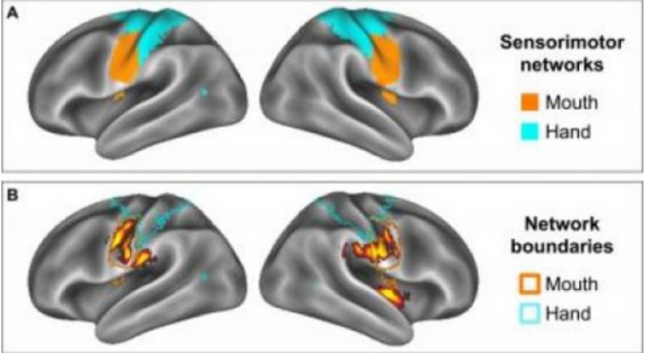
The study found that the ads stimulate the brain regions that control pleasure, taste and — most surprisingly — the mouth, suggesting they mentally simulate unhealthy eating habits.
Research has linked the number of television shows viewed during childhood with greater risk for obesity. In particular, considerable evidence suggests that exposure to food marketing promotes eating habits that contribute to obesity.
Using MRIs, the Dartmouth researchers examined brain responses to two dozen fast food commercials and non-food commercials in overweight and healthy-weight adolescents ages 12-16.
The ads were embedded within an episode of The Big Bang Theory so the participants were unaware of the study’s purpose.
The results show that in all the adolescents, the brain regions involved in attention and focus and in processing rewards were more strongly active while viewing food commercials than non-food commercials.
Also, adolescents with higher body fat showed greater reward-related activity than healthy weight teens in the orbitofrontal cortex and in regions associated with taste perception.
The most surprising finding was that the food commercials also activated the overweight adolescents’ brain region that controls their mouths.
“This finding suggests the intriguing possibility that overweight adolescents mentally simulate eating while watching food commercials,” says lead author Kristina Rapuano, a graduate student in Dartmouth’s Brain Imaging Lab. “These brain responses may demonstrate one factor whereby unhealthy eating behaviours become reinforced and turned into habits that potentially hamper a person’s ability lose weight later in life.”

To embed this post, copy the code below on your site














have your say