Sign in. It’s quick, free and it’s up to you.
An account is an optional way to support the work we do. Find out more.
Sign in. It’s quick, free and it’s up to you.
An account is an optional way to support the work we do. Find out more.
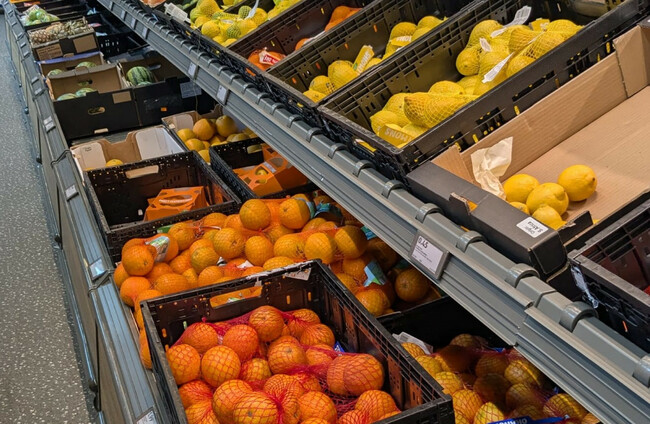
PLASTIC NETS ON fruit and vegetables and single-use plastic packaging for condiments and preserves, such as ketchup sachets, will be banned by the end of the decade under new EU rules.
Repak, the Irish industry-funded scheme for dealing with packaging waste, has issued advice to its member companies – which include supermarkets, hospitality businesses and manufacturers – encouraging them to start preparing now.
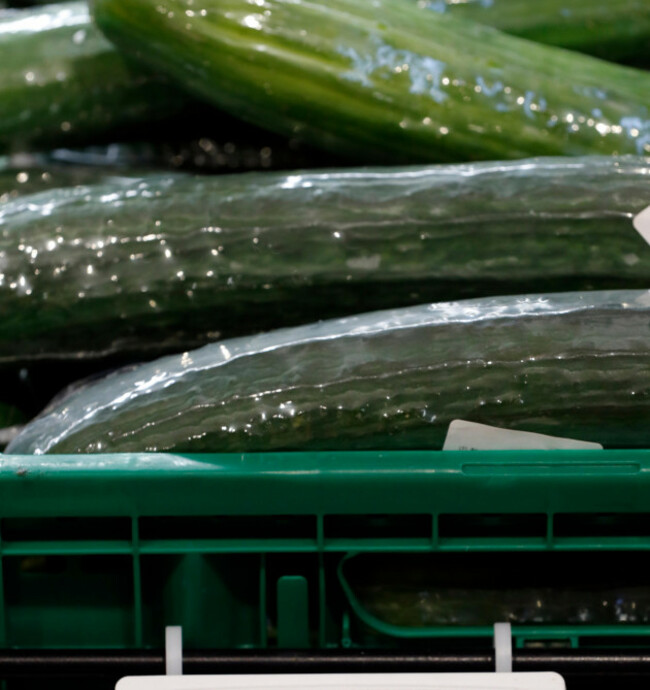
Repak told The Journal plastic wrap on produce such as cucumbers are also likely to be banned, as well as any plastic punnets or trays that cannot be “clearly justified” to prevent food loss, or for hygiene reasons.
It’s likely there will be some exemptions from the new rules, which kick in on 1 January 2030, for fragile produce such as raspberries and other soft fruits, Repak said.
An EU survey last year found three quarters of Irish people saw plastic waste as Ireland’s biggest waste problem.
However, plastic bags, wraps, nets and other packaging are still in widespread use by Irish retailers and cafes, with the option to buy loose fruit and vegetables often not available.
Tad Kirakowski of environmental NGO Voice said: “Our recycling [rate] is stagnating, but the quantity of material we’re having to sort is increasing. People are really, really struggling to keep up with the quantity of this material.”
Numerous consumer surveys have shown that consumers want more sustainability from the retailers.”
Aldi, one of the supermarkets that offers few loose options in its fruit and vegetable range, said it is undertaking a “comprehensive review” of its packaging materials ahead of the new rules kicking in.
“Reducing our plastic and packaging footprint…is a key priority. We are fully committed to complying with these new regulations,” it said.
The ban on nets will apply to fruit and vegetables being sold in quantities of less than 1.5kg.
Single-use plastic packaging for condiments, preserves and sauces will also be banned, as will single-use shampoo bottles in hotels. Selling food and drinks to be consumed on-site in single-use plastic trays or cups will also have to stop.
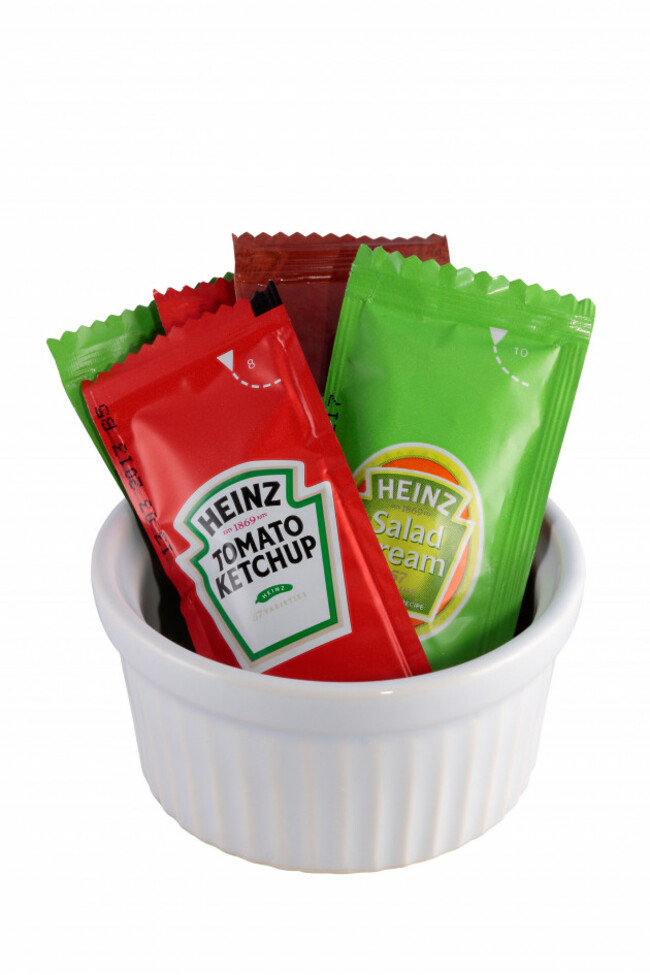
Repak said possible alternatives for condiments would include pump or refill stations, or small reusable containers that can be washed and refilled. Sachets could be used if they are compostable.
“Overall, the focus should be on moving to reusable systems where possible, rather than replacing single-use plastic with other single-use materials,” it said.
Repak said some of its retail member companies were expanding their loose fruit and vegetable ranges as part of its “plastic pledge” initiative.
Kirakowski said voluntary initiatives were not bringing the level of change needed, which was why regulation was needed. He added that retailers will need to take action urgently to be ready for 2030.
“We see the retailers say, ‘Oh yes, we’re interested’, but not really following through. It [2030] is not that far out when you think about the scale of the change that needs to be made. We’re up against it on this,” he said.
Tesco said it is working towards full compliance with the EU rules, and had already put in place a voluntary strategy to reduce its packaging footprint, including through removing plastic where it can and reducing it where it can’t.
Lidl said it has cut the amount of plastic it uses in its own-brand packaging by 20% since 2022. It said it’s prioritising recycled materials and reducing food waste.
Ireland is not on track to meet its 2025 EU target for recycling.

To embed this post, copy the code below on your site
















have your say