Sign in. It’s quick, free and it’s up to you.
An account is an optional way to support the work we do. Find out more.
Sign in. It’s quick, free and it’s up to you.
An account is an optional way to support the work we do. Find out more.
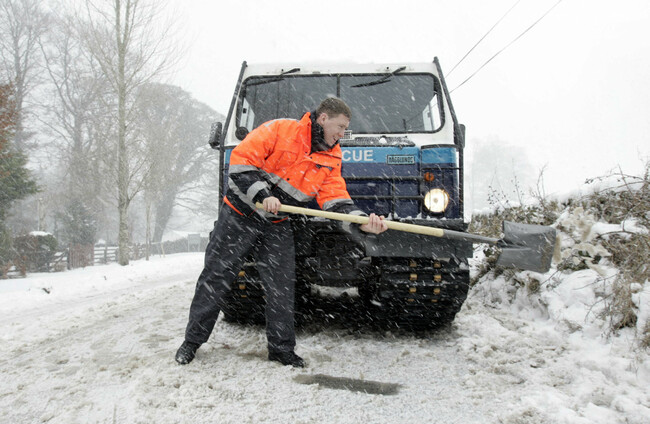
WHETHER THERE’S SNOW on the ground where you are located or not, you’ll be gearing yourself up for a day of cold weather today.
You may end up having to deal with anything from flurries of snow to a power cut, so here are our tips on how to cope.
If you have to get into your car for any sort of journey over the next few days, you might encounter snow and ice.
That means using a whole new set of skills when you’re behind the wheel.
Here’s everything you need to know about what you can do to prepare and what to do when driving.
What to wear when it’s cold?
As Rei Co-Op outlines in this handy layering guide (which ostensibly is for people who are outdoors for a trek, but really works for us here too), you need to think of layering in this way:
If you’re going to be out in the snow for a longer time, or for an activity, there are some handy tips here.
The bottom line? Think layers, use what you have in your wardrobe, and don’t be tempted to go outside in cold temperatures without your gloves or hat.
There is a risk of the electricity going out today – not on a huge scale, but enough that you might end up suffering a power outage.
ESB Networks says that heavy snow and ice can cause power lines to sag and potentially break, though this isn’t very common. If you do see a broken power line, stay well clear.
The types of winds due with Storm Emma aren’t particularly out of the ordinary compared to what we get in the winter, but the bigger issue may be that if there is heavy snow, repair crews may take longer to get to power lines in order to fix them.
ESB Networks is reminding customers to be prepared:
And in the case of a power cut:
If you want to check for fault and repair updates, you can do so on the ESB Power Check website or its PowerCheck app. If your fault isn’t logged, go to this link - or call 1850 372 999. You can also follow @ESBNetworks on Twitter.
Should you keep your taps dripping to make sure the pipes don’t freeze?
According to Richard Burke of the Heating and Plumbing Association of Ireland, leaving a water tap running to prevent pipes from bursting is a myth.
“I wouldn’t recommend it because it could have a knock-on effect with freezing. It’s a myth to leave the tap running, it can cause problems elsewhere,” Burke told us.
He said that if the water is left running continuously it risks freezing the drain as it’s leaving the sink. “It can block up the drain and the sink will fill up and overflow, I’ve seen it happen on a few occasions.” Read his tips on what you should do here.
Here’s Irish Water’s advice.
Meanwhile, here are the Red Cross’s tips for staying safe before and during a winter storm.
Here’s a pharmacist on why you should make sure you have a supply of essential medicines in your home before the storm hits.
Daragh Connolly, President of the IPU, said people may be unable to get prescriptions in the coming days and should “ensure they have enough of their essential medication to last them until the beginning of next week”.
He also urged members of the public to check that older family members and neighbours have all their required medications and, if not, to contact the person’s pharmacy.
If there’s one takeaway from this storm, it’s that Irish people really love bread. We are so afraid of running out of this treasured tasty foodstuff that we’ve ransacked supermarket shelves.
But there are other comfort food options around. A weather event like this is a good time to use up pasta, rice, lentils and spices. Your freezer is another source of meals.
But what other foods should you stock up on?
If you’re worried about your dog or cat – or gerbil – during the big freeze, here are some tips from the ISPCA:
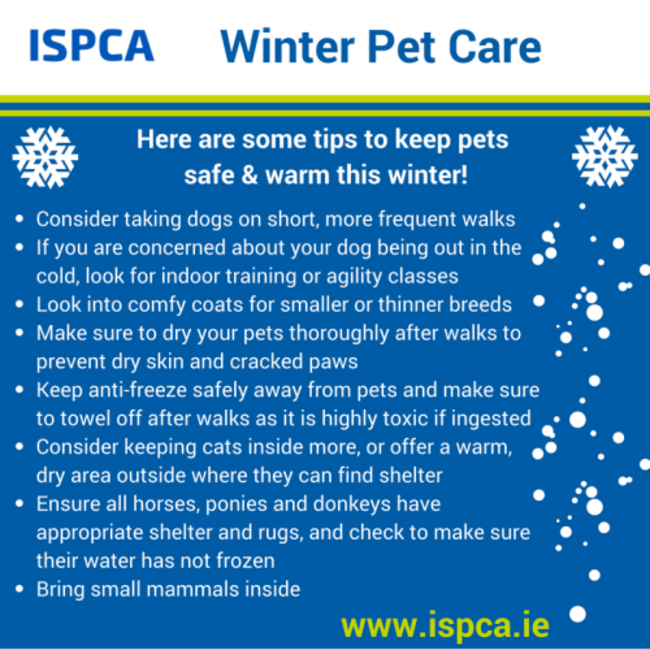
Pet Mania also advises:
Here’s more on keeping your pet safe.
Neighbours
The cold weather is bad no matter what age you are – but it’s particularly difficult if you have limited mobility or are elderly.
Justin Moran of Age Action has urged neighbours of older people to check in on them. You know what to do – that friendly knock on the door might be of huge benefit to someone.
Final tips
Stay safe. Don’t go investigating mountains or check out your local pier in a snowstorm.
Carry a phone with you when you go outside – put it in a resealable small plastic bag or pouch if you’re worried it’ll get wet.
Speaking of phones, have your devices charged and any back-up battery packs charged too.
Don’t leave candles unattended.
Eat those emergency chocolate biscuits.

To embed this post, copy the code below on your site







have your say