Sign in. It’s quick, free and it’s up to you.
An account is an optional way to support the work we do. Find out more.
Sign in. It’s quick, free and it’s up to you.
An account is an optional way to support the work we do. Find out more.
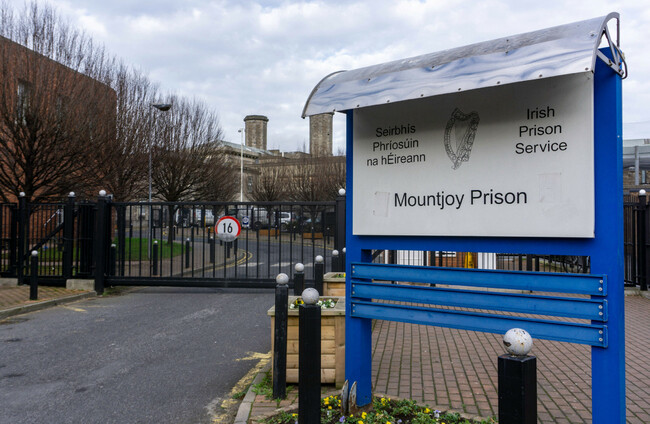
MEMBERS OF THE prison officers union will be balloted on potential strike action amid an ongoing pay dispute.
Prison Officers National Executive Council (NEC) members will vote on various options to call for “clear and unambiguous” public sector pay talks.
The NEC is recommending voting for industrial action to its members “up to and including strike action” if an agreement can’t be reached.
The previous Public Service Agreement expired on 30 June.
In a statement today, the prison officers’ association said they would “would very much wish to avoid industrial action” but the onus is on the government to find a solution.
Unions have said inflation has wiped out the 1% increases paid to public sector workers in February and June this year.
The association said the pay issues must be addressed urgently given ongoing problems overcrowding, drugs and other illicit substances in prisons and “the continuing escalation in violence”.
Deputy General Secretary of the association Gabriel Keaveny said its is “neither acceptable or sustainable” that prison officer s pay has fallen behind prices in recent years.
“It is disappointing to learn that at a recent exploratory meeting with the PSC, Government representatives did not set out a clear and credible approach to aligning pay and living standards, at the commencement of the process” he continued.
At the beginning of July, trade union SIPTU announced it would ballot tens of thousands of public service workers for strike action after accusing the government of failing to begin meaningful negotiations on a new public sector pay deal.
Siptu’s General Secretary John King said exploratory talks with government officials had failed to establish the basis for meaningful negotiations.
“The cost-of-living crisis and rising inflation have completely eroded the value of pay increases paid to public servants under the previous agreements and SIPTU members in the public service are determined that they should not pay the price for the Government’s delay,” King said.
“Our members deliver essential services every day. Their patience is now being tested.”
To embed this post, copy the code below on your site













have your say