Sign in. It’s quick, free and it’s up to you.
An account is an optional way to support the work we do. Find out more.
Sign in. It’s quick, free and it’s up to you.
An account is an optional way to support the work we do. Find out more.
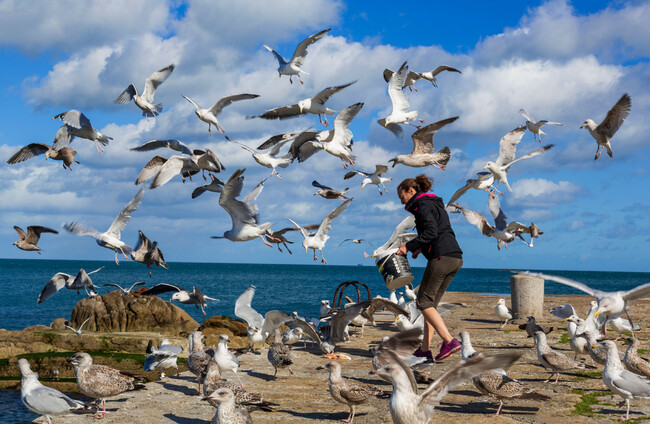
THE PUBLIC HAS been urged to “exercise caution” as gull activity is expected to increase in the coming weeks with the start of the gull nesting season.
The nesting season is when birds build nests, lay eggs, and raise their young.
For gulls in Ireland, this nesting season typically begins in April and can last through to August.
Pest control provider Rentokil has reminded people and businesses, especially in coastal urban areas, to expect increased gull activity expected in the coming weeks.
It added that people and businesses should “act now to reduce the likelihood of gulls nesting on their properties”.
A spokesperson explained that gulls typically lay their eggs in April and May, with hatching in June.
During this period, gulls can become highly aggressive as they protect their nests, eggs, and chicks.
The spokesperson added that gulls also become “bolder” in their search for food, often scavenging in urban areas where waste is easily accessible.
They added that rooftops and ledges in towns and cities provide attractive nesting sites, offering gulls the height and shelter they would normally find on coastal cliffs.
Colm Moore, Regional Technical Manager with Rentokil, noted that gulls can cause “significant disruption” for homeowners and businesses, particularly once they have established nests.
He said prevention is the best approach and that steps should be taken now to make your property less attractive to gulls for nesting.
Such preventative steps include ensuring that there are no possible food sources from unsecured bin lids or rubbish bags left outside, as gulls can quickly tear them open.
Moore added that property owners should consider blocking access to easy nesting spots with physical barriers, such as spikes or netting.
He also said that visual deterrents, such as decoy birds of prey, could help discourage gulls from nesting in some locations.
Moore meanwhile noted that Rentokil controls gull species in accordance with the EU Birds Directive and the Irish bird derogations, and uses non-lethal methods to control all other species of birds if they become “public health pests”.
He said that some methods used by Rentokil include installing bird spikes or netting, as well as hawking, which involved using specially trained birds of prey to scare away and deter gulls from an area without causing them harm.
However, speaking to The Journal last year, BirdWatch Ireland, the country’s largest independent conservation organisation, said such warnings are overblown.
It also pointed to research it conducted that found the population of gulls has fallen by 90% over the last 30 years.
But Niall Hatch, the organisation’s communication and development manager, agreed that it is very important that bins are kept covered and rubbish is tidied away.
He also urged people to avoid feeding gulls and said that this is the process for the bird to start losing respect for humans and later leads to them swooping in to steal food from people’s hands.

To embed this post, copy the code below on your site














have your say